Science
Artemis II Crew Shares Profound Impact of Losing Sight of Earth
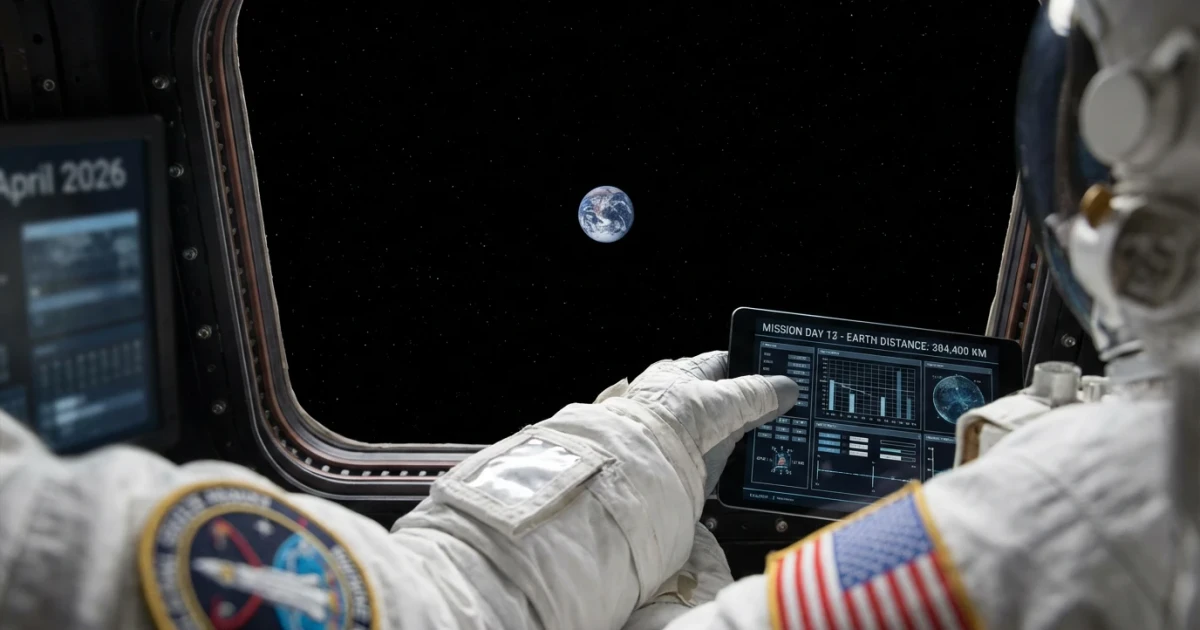
Artemis II astronauts recently recounted a powerful moment during their historic mission when Earth disappeared from view, offering a rare perspective on the psychological challenges faced by humans in deep space. The experience, captured in a striking NASA image, has sparked discussion about the emotional realities of long-duration spaceflight.
Witnessing Earth Vanish: A Defining Moment
As the Artemis II crew traveled farther from home than any humans in over fifty years, they reached a point where the blue planet was no longer visible through their spacecraft windows. This moment, featured in NASA’s latest space photo of the week, prompted an emotional response from the astronauts. According to Live Science, one crew member reflected, "Human minds shouldn't have to go through this," underscoring the profound impact of witnessing Earth fade into the blackness of space.
Psychological Effects of Deep Space Exploration
This experience is not just visually striking—it carries significant psychological implications. Research on the psychological effects of deep space missions highlights the stress and cognitive challenges astronauts may face when separated from their home planet. The feeling of isolation is intensified when even the visual comfort of Earth is lost. Studies have found that the absence of Earth’s presence can lead to feelings of vulnerability, existential anxiety, and a heightened sense of responsibility among crew members far from home.
- Artemis II is the first crewed mission to leave low Earth orbit since Apollo 17 in 1972.
- During their journey, the crew reached a distance where Earth was no longer visible to the naked eye.
- Their emotional response echoes findings from published research on cognitive and emotional reactions to Earth disappearance in spaceflight.
The Power of Perspective: NASA's Photo and Public Response
The NASA image capturing this moment has resonated widely, offering the public a glimpse of what it means to leave Earth behind. The stark visual—an empty black expanse where our planet once hung—serves as a powerful reminder of the fragility and uniqueness of our home. NASA’s official Artemis II mission overview notes that such experiences are critical to understanding the human factors involved in future deep space missions, including potential journeys to Mars.
Preparing for the Challenges of Deep Space
NASA has made astronaut mental health a priority, incorporating psychological support and resilience training into Artemis II crew training. The insights gained from this mission will inform future efforts to mitigate the emotional and psychological risks associated with extended space travel. As humanity sets its sights on more ambitious destinations, the lessons from Artemis II underscore the importance of preparing not only technologically, but mentally and emotionally as well.
Looking Ahead
The Artemis II mission's emotional milestones illustrate the new realities of human space exploration. As astronauts venture farther from Earth, their experiences will shape how we approach the human side of space travel, influencing everything from mission planning to crew support systems. The moment when Earth disappears from view is a stark reminder: as we reach for the stars, the connection to our home planet remains at the heart of the journey.