Science
Artemis II Earthset Photo Echoes Apollo 8's Iconic Earthrise
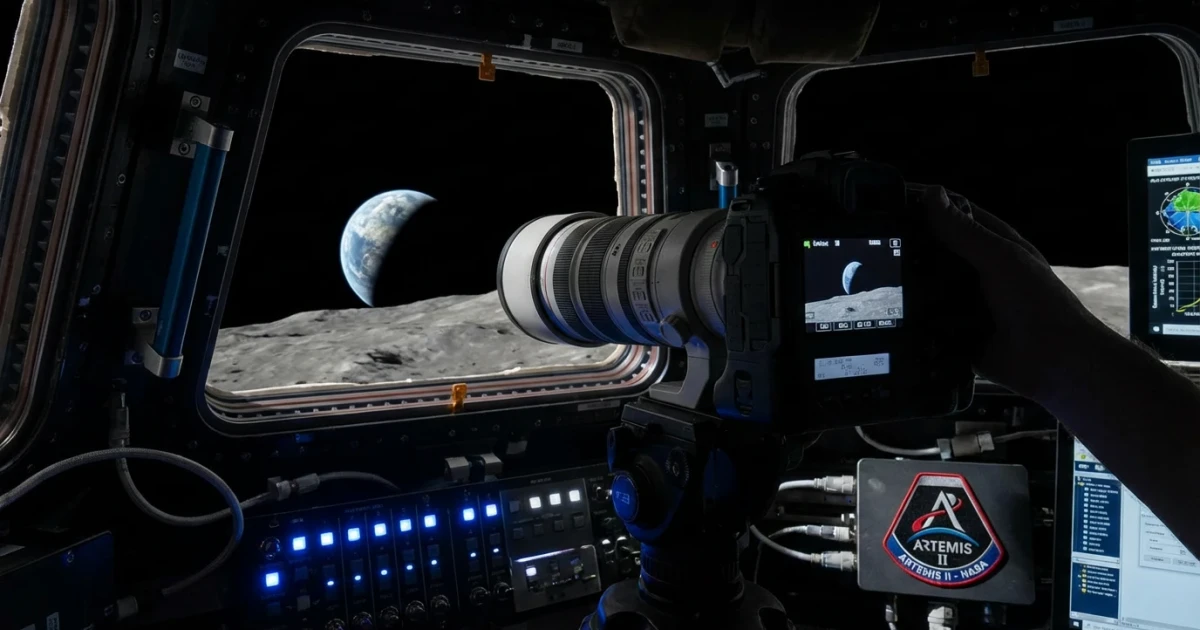
NASA's upcoming Artemis II mission is poised to recreate one of the most iconic moments in space history: the visual of Earth rising—or in this case, setting—over the lunar horizon. This planned 'Earthset' photograph will pay tribute to the legendary Earthrise image captured during Apollo 8 in 1968, as reported by Phys.org. The new image aims to bridge generations of space exploration and inspire a fresh wave of public fascination with lunar missions.
Revisiting the Legacy of Apollo 8's Earthrise
The Apollo 8 mission marked a turning point in the space race, with humanity's first crewed flight around the Moon. The mission produced the historic 'Earthrise' photograph, a color image showing Earth emerging above the lunar surface. According to NASA's mission history, this image profoundly influenced public perception of Earth and is credited with helping launch the modern environmental movement.
- The original Earthrise was taken by astronaut Bill Anders on December 24, 1968.
- It was the first time humans saw and photographed Earth from lunar orbit.
- NASA's official Apollo 8 data confirms that the crew orbited the Moon 10 times.
- The photo has appeared in textbooks, documentaries, and environmental campaigns worldwide.
The Artemis II 'Earthset': A Modern Vision
As Artemis II prepares for launch, NASA has announced plans for a new landmark photograph: 'Earthset.' While 'Earthrise' depicted Earth ascending above the Moon's horizon, 'Earthset' will capture Earth appearing to descend, as seen by the Artemis II crew. The moment is expected to resonate with global audiences, linking past and present lunar exploration.
The Artemis II mission overview outlines that the crew will orbit the Moon in a trajectory similar to Apollo 8, but with enhanced camera technology and training dedicated to capturing high-resolution images. The mission's press kit highlights the importance of the Earthset image as a symbol of international cooperation and technological progress.
Training for the Perfect Shot
To ensure the Artemis II crew is prepared, NASA partnered with photography experts from the Rochester Institute of Technology (RIT). RIT alumni have provided specialized training in camera operation, composition, and exposure management, focusing on the unique technical challenges of lunar photography. The program ensures astronauts can handle variable lighting conditions and rapidly changing views during the critical Earthset window.
- RIT's curriculum covers manual camera controls, selection of lenses, and image stabilization techniques.
- The astronauts practiced with hardware identical to what they'll use on the mission, emphasizing muscle memory and troubleshooting skills.
- Photographic objectives and technical requirements are detailed in the official Artemis II press kit.
Comparing Technology: Then and Now
The tools available for Artemis II far surpass those of the Apollo era. While Apollo 8 astronauts used a Hasselblad 500 EL camera loaded with color film, Artemis II will employ state-of-the-art digital cameras capable of capturing ultra-high-resolution images and video. According to NASA’s Artemis image gallery, the mission will also include metadata and technical details for each photo, enhancing scientific value and public engagement.
- Digital sensors will allow for a wider dynamic range, crucial for balancing the bright Earth against the dark lunar surface.
- Advanced stabilization and remote operation capabilities will ensure consistent image quality despite the spacecraft's movement.
Significance and Anticipated Impact
NASA and space historians see the Artemis II 'Earthset' as more than just a tribute; it's an opportunity to engage a new generation in the wonder of space exploration. The image will likely join the ranks of humanity’s most profound photographs, symbolizing Earth’s fragility and unity.
As Artemis II counts down to launch, both the scientific and artistic communities await the moment when Earth will once again appear suspended above the lunar horizon—this time, setting rather than rising, and captured with the clarity of modern technology. The photograph may well inspire future explorers, just as the original Earthrise did nearly six decades ago.