Science
Artemis II Faces Countdown Challenges: What the 'Wet Dress Rehearsal' Means for NASA's Moon Ambitions
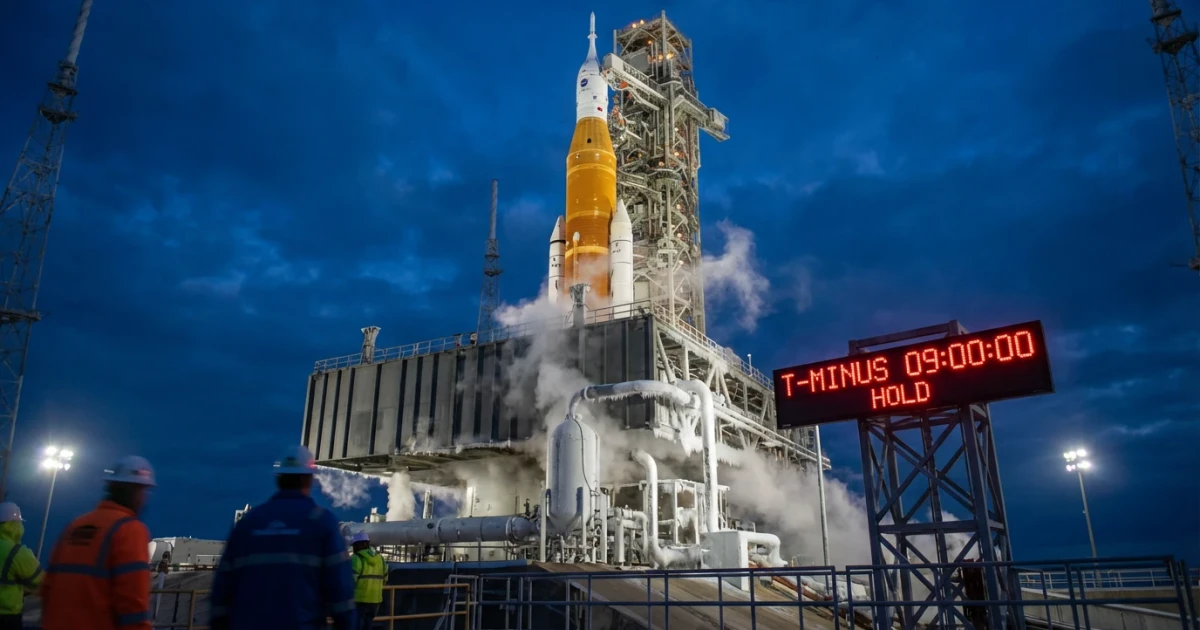
NASA's Artemis II mission—the next major step toward returning humans to the Moon—has reached a pivotal milestone as the agency prepares for its critical 'wet dress rehearsal.' This essential pre-launch test, however, comes amid weather-related delays, casting new uncertainty over the timeline for the historic mission.
Understanding the 'Wet Dress Rehearsal'
The 'wet dress rehearsal' is a comprehensive simulation of the Artemis II launch process. NASA teams will fully fuel the Space Launch System (SLS) rocket and run through every countdown procedure as if preparing for liftoff—stopping just before ignition. This exercise allows engineers to validate the readiness of both rocket and ground systems, identify technical issues, and practice critical communications under real-world conditions.
- All systems are fueled with cryogenic propellants—liquid hydrogen and liquid oxygen—just as they would be on launch day.
- The crew and mission control rehearse every step, ensuring all safety and operational protocols are in place.
- The test is essential for certifying that the SLS rocket, Orion spacecraft, and ground equipment can operate together seamlessly.
Weather Delays and Impacts
According to recent reports, a cold blast in Florida has impacted NASA's Artemis II preparations, as well as the schedule for SpaceX's Crew-12 launch. Unusually low temperatures at Kennedy Space Center have complicated fueling and other ground operations, leading to delays in the planned timeline.
- Cold weather can affect both the handling of cryogenic propellants and the performance of sensitive hardware.
- The cold snap forced NASA to reschedule key milestones, including the wet dress rehearsal and potentially the Artemis II launch window.
- Weather-related delays are not unusual in spaceflight but add pressure to a mission already under global scrutiny.
Why the Wet Dress Rehearsal Matters
The Artemis II mission marks NASA's first crewed lunar mission since Apollo. Its success is critical for the agency's long-term Moon strategy and international partnerships. The wet dress rehearsal is not just a formality; it's a chance to catch hidden problems before astronauts are on board and billions of dollars are at stake.
Past Artemis missions have revealed technical challenges during similar rehearsals, emphasizing the importance of these exhaustive tests. A flawless performance paves the way for the next generation of Moon explorers, while any anomalies could prompt further reviews and redesigns.
What’s Next for Artemis II?
After the wet dress rehearsal, NASA engineers will analyze data collected from every stage of the countdown. If all systems perform as expected, Artemis II can advance toward final preparations for launch. However, should the team uncover issues, further troubleshooting or hardware changes may be required, potentially pushing back the mission timeline.
As the world watches, the Artemis II wet dress rehearsal stands as a decisive checkpoint for America’s return to the Moon. While weather and technology present challenges, the test embodies the caution and precision that define modern space exploration.
For further information:
Looking ahead, the outcome of the Artemis II wet dress rehearsal will shape the countdown to humanity’s next lunar journey, reminding us of the complexity—and excitement—of reaching for the stars once again.
Sources
- [1]NPR