Science
Artemis II Faces Solar Radiation Risks Amid Solar Cycle Peak
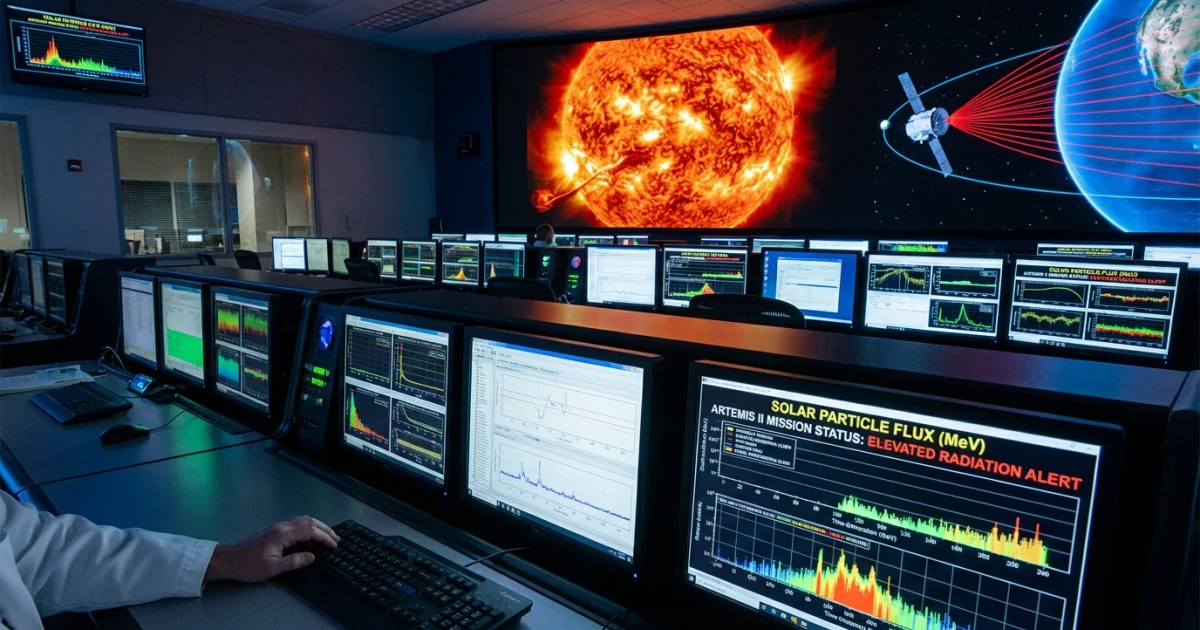
NASA's Artemis II mission is set to send astronauts around the Moon during a period of intense solar activity, raising concerns about the heightened risk of exposure to dangerous solar radiation. Experts, including space scientist Patricia Reiff, have highlighted the potential for astronauts to encounter "nearly lethal doses" of solar radiation as the sun approaches its maximum, but NASA maintains the mission is prepared for these challenges.
Understanding the Solar Cycle and Artemis II Timing
The sun experiences an 11-year solar cycle, fluctuating between periods of minimum and maximum activity. During the solar maximum, the frequency and intensity of solar flares and solar radiation storms increase, which can dramatically elevate the risk to astronauts outside Earth's magnetic field. While these events can send highly energetic particles streaming through space, they also make deep space missions like Artemis II more complex and potentially hazardous.
Despite the timing, NASA has scheduled Artemis II to launch as the sun nears this peak activity. According to Live Science, space scientists like Patricia Reiff warn that astronauts could be exposed to radiation levels approaching acute danger, especially during an intense solar storm. The concern is rooted in historical data and recent measurements, such as those gathered from the International Space Station and Apollo missions, which provide insight into the unpredictable nature of solar particle events.
Why Launch During Solar Maximum?
One major question is: why proceed with Artemis II at a time of increased risk? As explained by Reiff, the timing is driven by a combination of mission readiness, technological constraints, and the need to maintain momentum in the Artemis program. Delaying the launch could disrupt broader objectives for lunar exploration and international partnerships. Additionally, not all solar maximums are alike—forecasts and real-time monitoring help mission planners make informed decisions about the relative risk at any given moment.
Assessing the Risk: How Much Radiation?
- Solar particle events during solar maximum can deliver radiation doses that, in extreme cases, approach or exceed career and health limits set for astronauts.
- The radiation environment in deep space is significantly harsher than in low Earth orbit, where the ISS operates under the protection of Earth’s magnetic field.
- According to NASA’s Space Radiation Analysis Group (SRAG), astronauts are continuously monitored for cumulative exposure, and mission hardware is designed with shielding and safe havens to mitigate risk.
- Recent research on astronaut health details cancer and acute radiation risk models based on past solar events and projected Artemis trajectories.
Mitigation Strategies and Contingency Plans
NASA employs a multilayered approach to radiation protection:
- Forecasting and monitoring: Solar activity is tracked through multiple agencies, allowing for last-minute launch adjustments or aborts if a major solar event is detected.
- Shielding: The Orion spacecraft is constructed with dedicated shelter areas where astronauts can take refuge during a solar storm, reducing exposure by stacking supplies and utilizing water tanks for additional protection.
- Mission timelines: Artemis II’s flight path and duration are designed to minimize time spent in high-risk regions, limiting the likelihood of encountering the most dangerous radiation events.
As Patricia Reiff emphasized in Live Science, the Artemis II mission represents a carefully calculated risk. The sun’s activity is unpredictable, but with robust monitoring, advance warning systems, and engineering safeguards, NASA aims to balance the urgency of lunar exploration with the health and safety of its crew.
Looking Forward: Balancing Risk and Exploration
With Artemis II, NASA is taking on the challenge of deep space travel during a period of elevated solar risk. While the timing has sparked debate among scientists and space policy experts, the mission could also yield valuable data and operational experience for future crewed missions to the Moon and Mars. As the solar cycle advances, lessons learned from Artemis II will inform strategies to keep astronauts safe on even longer journeys beyond Earth’s protective shield.