Science
Artemis II Heat Shield Recovery Sparks Debate
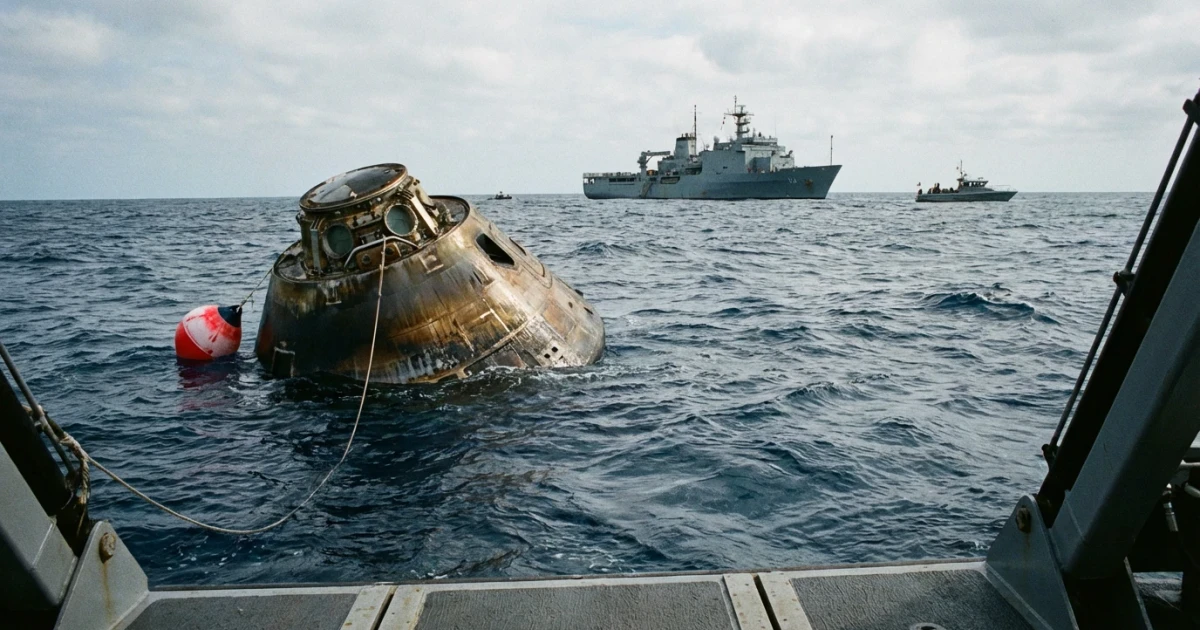
NASA’s Artemis II mission returned to Earth in triumph, but the spacecraft’s heat shield now rests at the bottom of the ocean—a development that has reignited discussion over engineering challenges and mission logistics as the Artemis program advances toward a lunar landing.
The Heat Shield’s Critical Role
The heat shield is an essential component of NASA’s Artemis missions, protecting the Orion crew capsule and its astronauts from the intense heat generated during atmospheric reentry. As Artemis II completed its historic journey around the Moon and splashed down safely, the shield fulfilled its primary purpose, safeguarding the crew from temperatures exceeding 5,000 degrees Fahrenheit.
A Sunken Artifact
Despite the successful return, the Artemis II heat shield did not follow the rest of the capsule back to NASA laboratories for detailed analysis. Instead, it detached as designed and sank into the ocean, making it, as Space described, a “sunken treasure.” While this outcome was anticipated due to the shield’s design, it has sparked renewed debate within the space community about the value of recovering such critical hardware for post-mission study and future improvements.
Implications for Artemis III and Beyond
The loss of the heat shield for hands-on inspection is particularly relevant as NASA prepares for Artemis III. This upcoming mission aims to land astronauts on the lunar surface for the first time in over half a century. Engineers and scientists typically analyze recovered shields for signs of wear, ablation, and unexpected thermal events. Without direct access to the Artemis II shield, teams must rely on telemetry, sensors, and imagery collected during flight to evaluate performance and guide improvements for subsequent missions.
- Mission data from Artemis II will be crucial for this analysis.
- Comparisons to Orion heat shield performance from Artemis I provide additional context for understanding material behavior under extreme conditions.
Ames Research Center’s Contributions
NASA’s Ames Research Center played a pivotal role in developing and testing the Artemis II heat shield, including advancements in thermal protection materials and the rigorous testing required to certify them for lunar missions. The inability to physically recover the shield does not diminish these achievements, but it does highlight the ongoing need for innovative approaches to data collection and analysis.
Balancing Technology and Exploration
With Artemis II’s shield lost to the ocean, NASA faces the challenge of ensuring that lessons learned from this mission are comprehensive enough to inform the design and safety protocols of Artemis III and future flights. Experts note that while sensor data and telemetry can provide significant insights, physical inspection of flown hardware remains invaluable for identifying rare or unexpected issues.
Looking Ahead
Artemis II’s return marked a significant milestone for NASA’s renewed lunar ambitions. As the agency pushes forward with its goal of a sustainable human presence on the Moon, each mission—successful or not—offers opportunities to refine technology, processes, and safety measures. The sunken heat shield may be out of reach, but its legacy will be felt in every engineering meeting and design update as the countdown to Artemis III continues.