Science
Artemis II Prepares for Historic Lunar Flyby
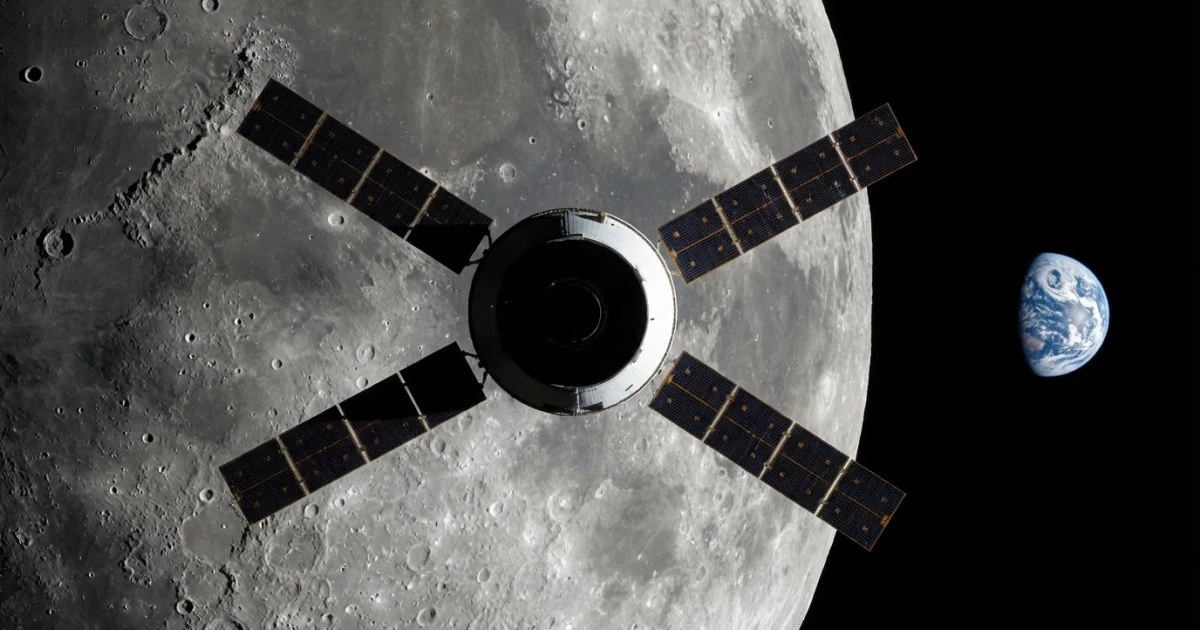
NASA’s Artemis II mission is poised to become the first crewed lunar flyby in over five decades, carrying four astronauts around the Moon as part of a renewed push for deep space exploration. While the mission has attracted global attention for its ambition and inclusion, recent technical challenges have delayed its launch, highlighting both the promise and complexity of returning humans to lunar orbit.
Mission Goals and Timeline
The Artemis II mission is the second major step in NASA’s Artemis program, which aims to establish a sustainable human presence on and around the Moon. According to Royal Museums Greenwich, Artemis II will be the first crewed test flight of NASA’s Space Launch System (SLS) and the Orion spacecraft, following the uncrewed Artemis I mission that successfully orbited the Moon in 2022.
- The crewed flyby will take astronauts on a 10-day journey, looping around the Moon and returning to Earth.
- It will test critical systems in real-world conditions, paving the way for Artemis III’s planned lunar landing.
- The mission will carry four astronauts, including the first woman and the first person of color to travel beyond low-Earth orbit, highlighting NASA’s commitment to diversity and inclusion.
While initially scheduled for late 2024, Yahoo reports that launch has been postponed due to technical issues, with the rocket recently returned for repairs. NASA has not set a new firm launch date but says safety remains the top priority.
Technical Challenges and Safety Upgrades
Both sources agree that Artemis II’s complexity sets it apart from previous missions. According to Yahoo, a recent issue with the rocket’s life support and propulsion systems prompted NASA to return the SLS and Orion stack to the assembly building for repairs and further testing. These upgrades are intended to ensure crew safety during the mission’s demanding lunar trajectory.
NASA’s mission manifest outlines a series of system checks, including:
- Life support evaluations to ensure stable cabin pressure and atmosphere
- Propulsion system tests for the SLS and Orion’s European Service Module
- Simulations of communication blackouts and reentry conditions
Royal Museums Greenwich emphasizes that the Artemis program is designed to build on lessons from the Apollo era while leveraging modern technology. This includes improved spacecraft automation, enhanced safety protocols, and international partnerships.
Significance for Lunar Exploration
Artemis II’s lunar flyby represents a pivotal moment in NASA’s long-term lunar ambitions. The mission’s objectives include:
- Validating all critical spacecraft systems with humans aboard
- Demonstrating Orion’s ability to support crew on deep space missions
- Gathering data to inform future lunar landings and eventual Mars missions
Royal Museums Greenwich notes that Artemis II will showcase international cooperation, with the European Space Agency contributing the Orion service module—a critical component for crew survival and propulsion in deep space.
Artemis Program’s Broader Vision
The Artemis program aims to enable sustainable lunar exploration by the end of the decade. Following Artemis II, NASA plans to launch Artemis III to land astronauts on the Moon’s surface for the first time since 1972. The program’s long-term goals include the construction of the Lunar Gateway, a space station orbiting the Moon to support science and exploration missions.
For those interested in more details about the Artemis II crew, mission architecture, and technical specifications, NASA provides an official mission press kit and a comprehensive reference guide.
Looking Ahead
Despite technical delays, Artemis II is on track to become a landmark in space exploration, setting the stage for humanity’s return to the lunar surface and beyond. As NASA addresses remaining challenges and prepares for launch, global attention remains focused on the mission’s progress and its potential to inspire a new generation of explorers.