Science
Artemis II Rocket Returns to Launch Pad for Key Tests
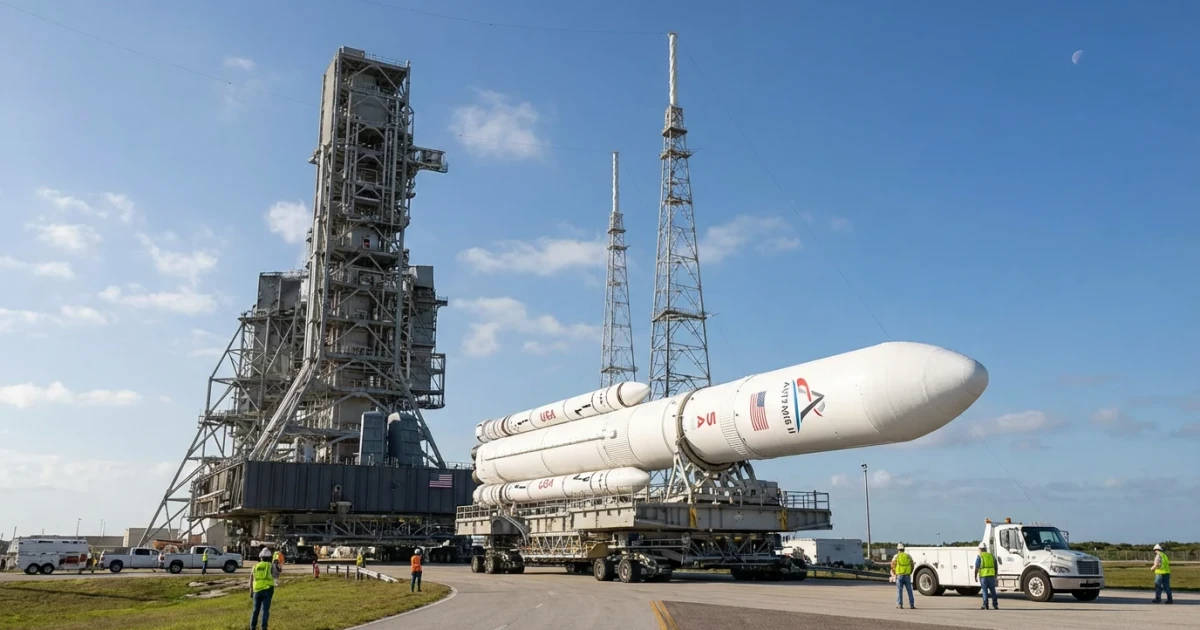
NASA’s Artemis II Moon rocket has returned to the launch pad at Kennedy Space Center, signaling a pivotal milestone in the agency’s effort to send astronauts around the Moon for the first time in over half a century. While the official launch date is still subject to final testing, NASA is now aiming for an April liftoff, according to the BBC and corroborated by NASA updates.
Preparing for Artemis II’s Historic Mission
The Artemis II mission represents the first crewed flight in NASA’s Artemis program, which aims to return humans to the lunar vicinity and ultimately establish a sustainable presence on the Moon. The mission will see four astronauts travel beyond low-Earth orbit, circling the Moon before returning home. Unlike Artemis I, which was uncrewed, Artemis II will be the first to carry humans aboard the Space Launch System (SLS) and Orion spacecraft.
Rollout to Launch Pad
On March 20, 2026, the Artemis II rocket was carefully rolled from its assembly building back to the launch pad, where it will undergo a series of critical tests ahead of its mission. Both BBC and NASA describe this rollout as a vital preparatory step, allowing engineers to perform integrated system checkouts and dress rehearsals for launch. The SLS rocket, standing at over 98 meters tall, is one of the most powerful launch vehicles ever built, designed specifically for deep space missions.
- The Artemis II mission will carry four astronauts around the Moon
- The Space Launch System is the centerpiece of NASA’s crewed lunar exploration plans
- The rocket’s return to the launch pad enables final pre-launch tests and simulations
Looking Toward an April Launch
While no exact date has been confirmed, NASA officials indicate that the April window remains achievable if all upcoming tests proceed without issue. The verification process on the pad includes a wet dress rehearsal, where the rocket will be fueled and the countdown simulated, but the engines will not ignite. This test is considered essential to validate the readiness of all systems and personnel before the real launch attempt.
According to the BBC, weather, technical checks, and the completion of safety reviews will ultimately determine if the April timeline holds. Delays are not uncommon in complex missions of this scale; however, NASA leadership has emphasized the importance of ensuring crew safety and mission success above all else.
The Artemis Program’s Broader Goals
The Artemis II mission is a key component of NASA’s broader Artemis program, which aims to establish a long-term human presence on and around the Moon. Success with Artemis II will pave the way for future missions, including Artemis III, which aims to land astronauts on the lunar surface later this decade.
NASA’s efforts also involve international partners and commercial industry, reflecting a new approach to lunar exploration that differs from the Apollo era. The ultimate goal is to use the Moon as a proving ground for future missions to Mars and beyond.
Next Steps and What to Watch
In the coming weeks, NASA will closely monitor the results of the Artemis II rocket’s final pad tests. Should all go according to plan, the agency will announce a definitive launch date for this historic mission. For readers interested in technical details and the mission’s progress, NASA offers regular updates and in-depth data on its official Artemis launch schedule and mission overview pages.
As the countdown to Artemis II continues, the world’s attention now turns to Kennedy Space Center, where the next step in human space exploration is poised to begin.