Science
Artemis Moon Rocket Faces New Delay as NASA Plans Urgent Repairs
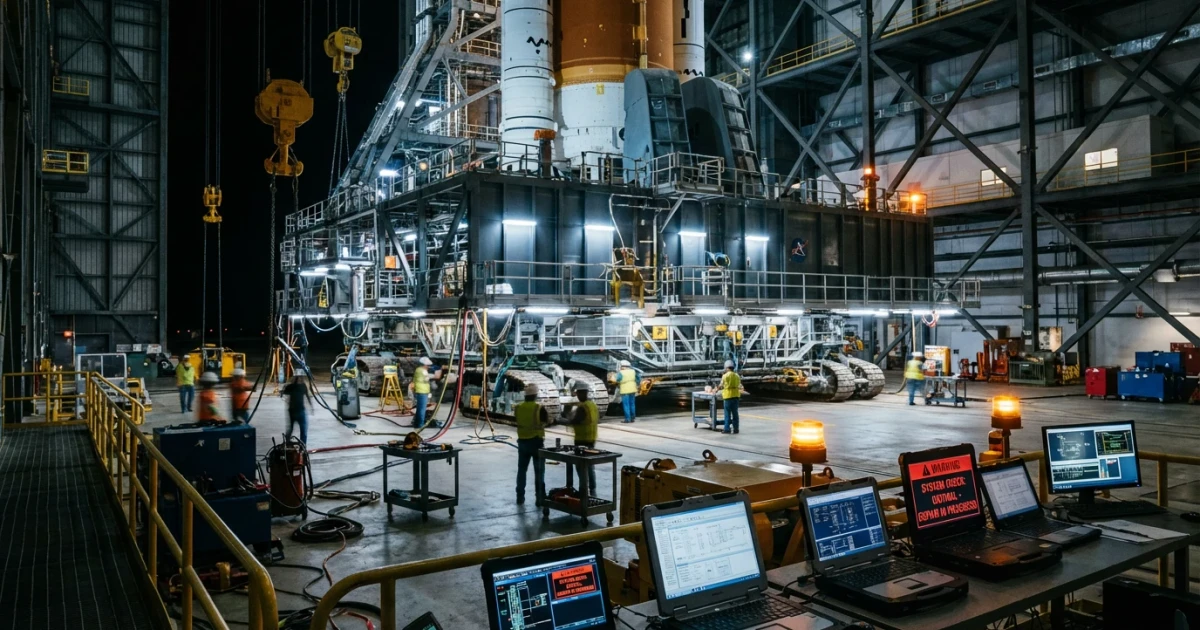
NASA has announced plans to roll back the Artemis rocket from its launch pad for urgent repairs, marking yet another delay in the agency’s high-profile effort to return astronauts to the Moon. The decision, reported by Live Science and confirmed by NASA’s official Artemis mission updates, underscores the ongoing engineering challenges faced by the ambitious Artemis program.
Rollback Decision and Technical Setbacks
According to Live Science, NASA will move the Artemis II rocket back to the Vehicle Assembly Building (VAB) for critical repairs after engineers identified issues that could not be addressed on the launch pad. The agency is targeting Wednesday for the rollback operation. This latest setback follows a series of delays and technical problems that have dogged the Artemis program since its inception.
The need for urgent repairs comes after engineers detected critical faults during pre-launch checks. While NASA has not publicly disclosed the exact nature of the technical issue, previous missions have faced challenges with the Space Launch System (SLS) hardware, environmental systems, and ground support equipment. For those interested in the technical aspects of these delays, NASA’s Technical Report on Artemis I launch and rollback operations provides in-depth engineering details and analysis of similar events.
Impact on Artemis II Timeline
NASA’s Artemis II mission is a crucial step toward returning humans to the lunar surface, with four astronauts slated to orbit the Moon before a planned crewed landing in subsequent missions. This latest delay pushes the launch schedule further out, though NASA has not yet announced a revised date. The official Artemis mission status page is regularly updated with the latest timelines and repair logs.
- Artemis I faced multiple rollbacks and technical issues before its eventual launch in 2022, setting a precedent for the challenges now faced by Artemis II.
- NASA has emphasized safety and thorough testing, choosing to roll back the vehicle rather than risk an on-pad repair complication.
- The mission will carry four astronauts – the first crewed launch in NASA’s lunar program since Apollo.
Engineering Challenges and Past Delays
The Artemis program has faced a series of technical hurdles. Previous Artemis I operations required several rollbacks for issues ranging from hydrogen leaks to faulty sensors. These challenges are detailed in NASA’s technical analysis of Artemis I launch delays, which highlights the complex interplay of new hardware, software integration, and launch infrastructure.
According to NASA, the Space Launch System (SLS) – the rocket core of Artemis – has undergone multiple rounds of maintenance and upgrades since its debut. Each rollback provides engineers with valuable hands-on data about the rocket’s performance and repair needs. For those interested in exploring the mission’s technical data, the Artemis I mission data repository offers telemetry and engineering datasets collected during previous flights.
What Comes Next for Artemis II?
The latest setback is a reminder of the complexity and risk inherent in deep space exploration. NASA officials have repeatedly stressed that the Artemis program will prioritize crew safety and mission success over schedule pressure. The rollback and repair process is expected to take several weeks, after which the agency will conduct further tests before setting a new launch date.
For the four astronauts assigned to Artemis II, the delay means additional time in training and simulation as engineers resolve the technical issues. NASA’s public-facing channels, including the Artemis Mission Data Access Guide, provide ongoing updates for those following the program’s progress.
Conclusion: Persevering Toward the Moon
While the Artemis program’s schedule has slipped due to technical challenges, NASA remains committed to its goal of returning humans to the Moon and paving the way for future Mars exploration. The agency’s willingness to delay for safety, even at the cost of public setbacks, reflects the high stakes and complexity of lunar missions. As repairs commence and engineers work through the latest issues, the world will continue to watch NASA’s progress toward its next giant leap.