US News
Arthur’s remnants bring life-threatening flooding threat across Gulf Coast
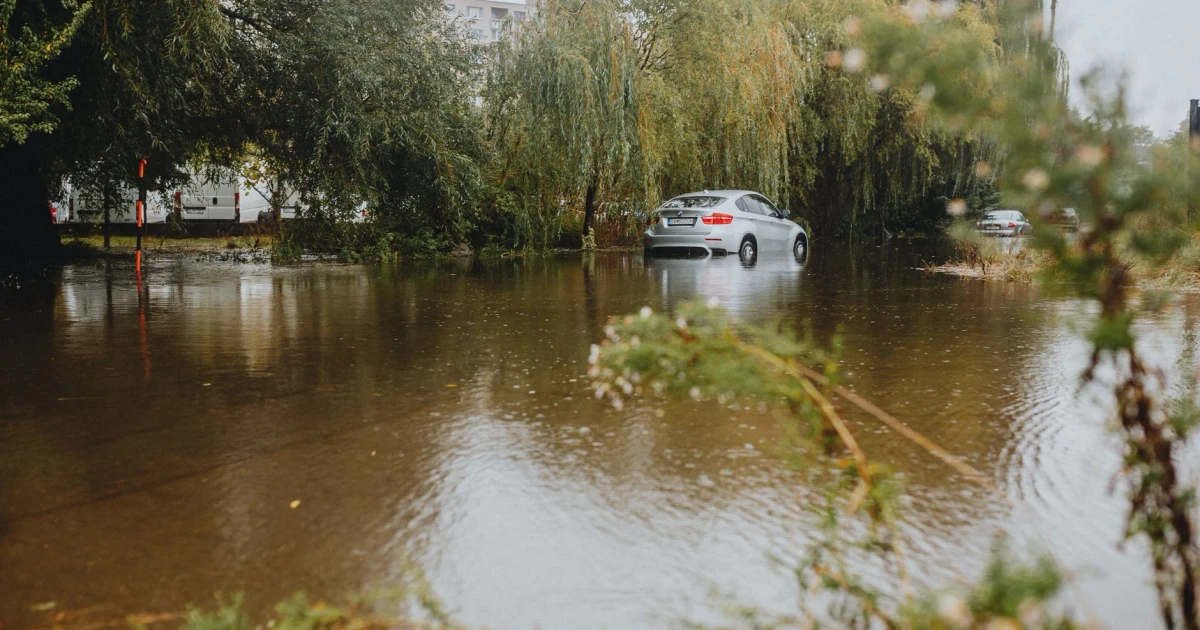
Arthur’s danger did not end when the storm lost its tropical identity. By June 18, the first named storm of the 2026 Atlantic hurricane season had weakened into a post-tropical cyclone and remnant low, yet its rain bands were still driving a life-threatening flood threat across the Gulf Coast, with forecasters warning that the worst hazards were still ahead.
The National Weather Service and NOAA issued a rare high-risk excessive rainfall outlook from eastern Louisiana to the Florida Panhandle, warning of a slow-moving system capable of dumping multiple hours of heavy rain. The Weather Prediction Center said the storm would drift slowly southeast, threatening Mobile and eventually Pensacola, with some parts of southern Louisiana and Mississippi already seeing rain rates near 3 inches per hour. Forecasters expected storm totals of 4 to 8 inches or more across parts of the Gulf states through Thursday and Friday.
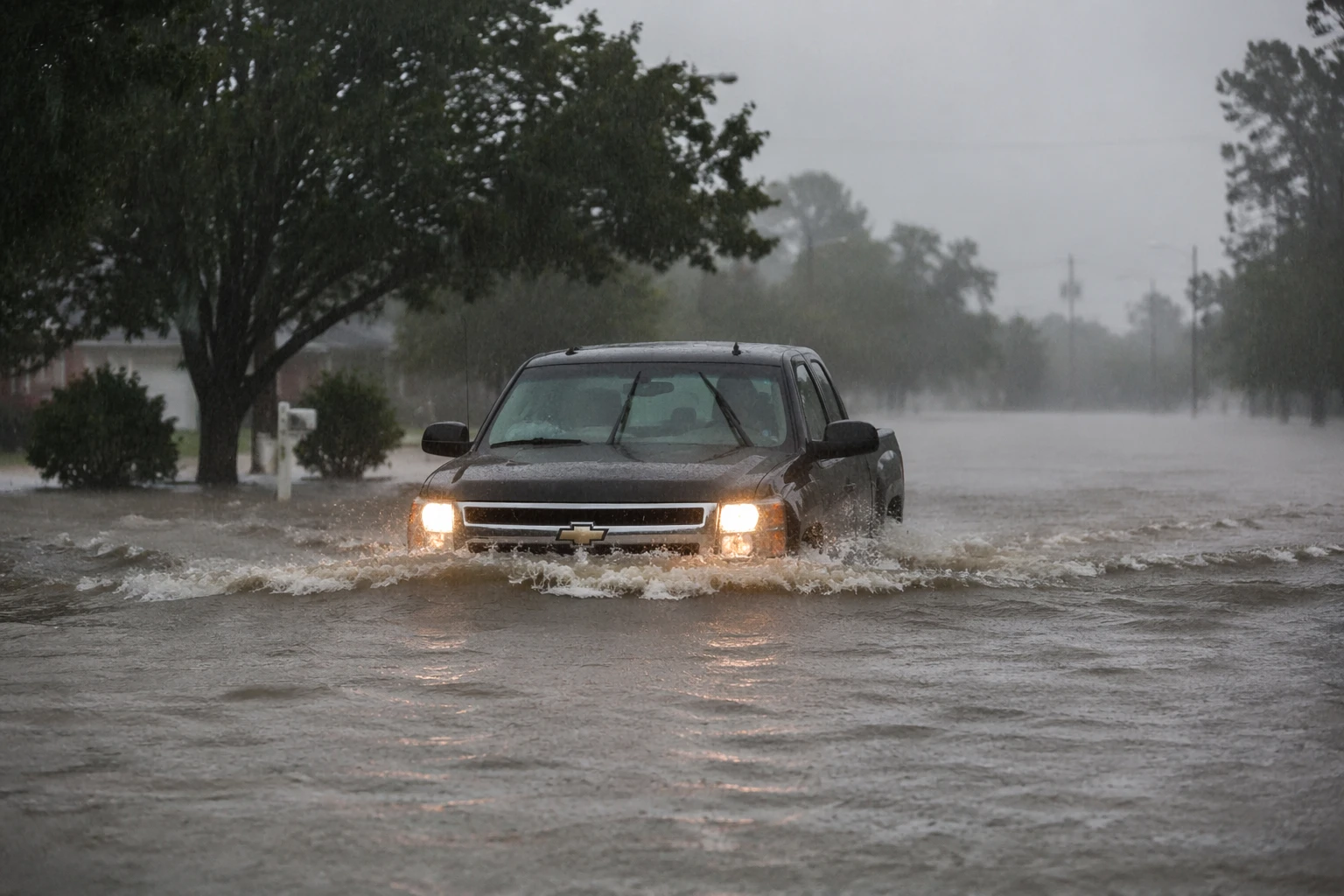
That rainfall posed a direct threat to communities already bracing for flooding, tornadoes and power failures. In Louisiana, Gov. Jeff Landry declared a state of emergency on June 18 for Avoyelles, Lafourche, Pointe Coupee, St. Landry, St. Tammany and Terrebonne parishes. New Orleans officials prepared boats, barricades and sandbag collection points before the heaviest flooding arrived, a sign of how quickly the system had turned from a weakening cyclone into a fast-moving emergency for low-lying neighborhoods and flood-prone roads.
The storm also spun off severe weather far from where it first formed. The National Weather Service confirmed three tornadoes tied to the system, including EF1 tornadoes in Southeast Louisiana, while officials reported record or near-record rainfall totals in Avoyelles and Pointe Coupee parishes over a 12-hour stretch. Across the Gulf South, Arthur’s remnants brought flooding, severe winds, downed trees, fallen power lines and water rescues, with tens of thousands of homes and businesses losing power.
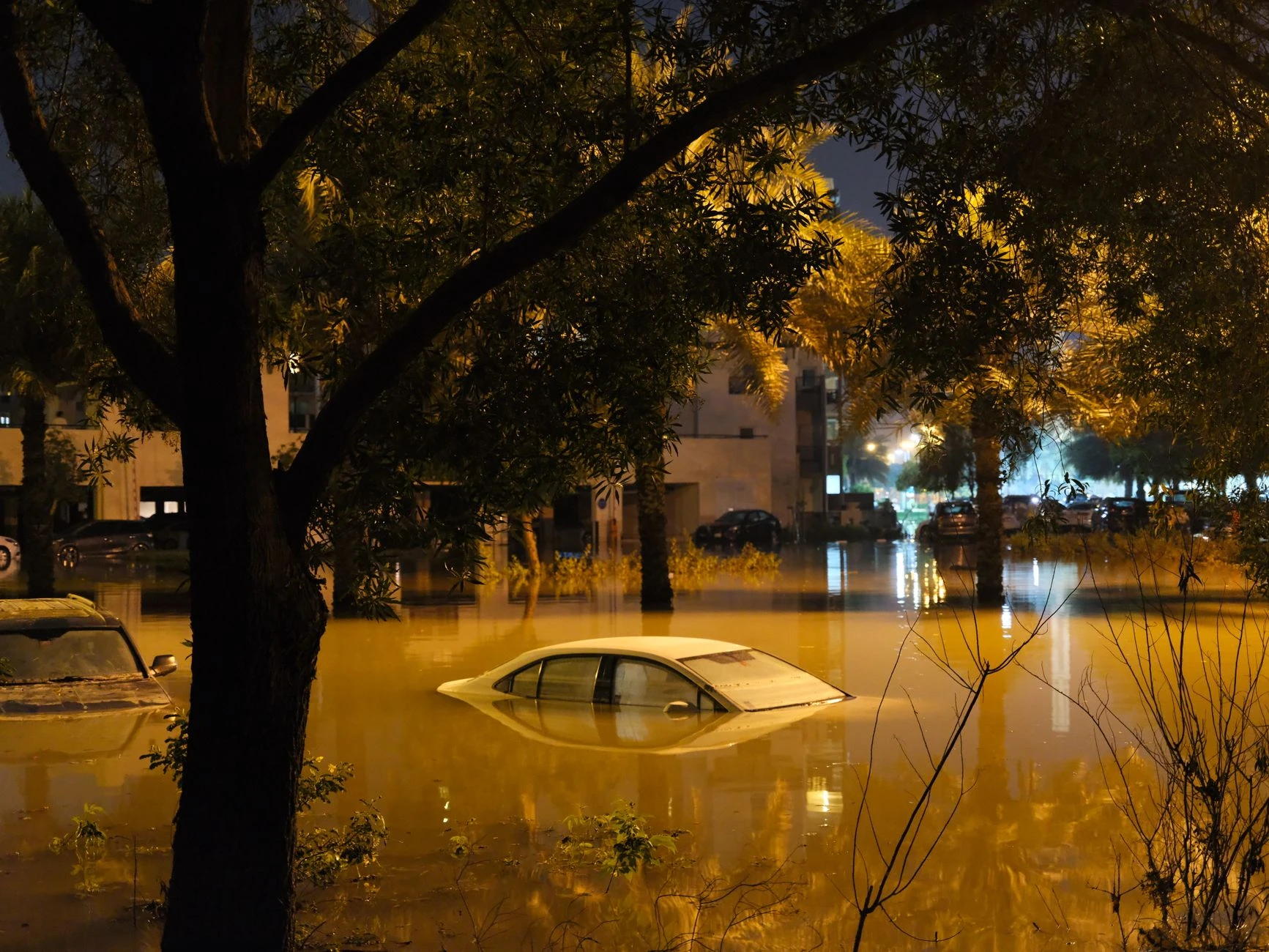
The episode underscored how a storm forecast to be part of a below-normal Atlantic hurricane season could still produce outsized damage on land. Even stripped of its tropical core, Arthur remained dangerous because of the rain, the slow movement and the vulnerabilities already built into Gulf Coast drainage, power and transportation systems.
Sources
- [1]news.google.com
- [2]washingtonpost.com
- [3]wwno.org
- [4]wwltv.com
- [5]klfy.com
- [6]weather.com
- [7]apr.org
- [8]nhc.noaa.gov