Technology
Artificial Intelligence Gains Global Attention in 2026
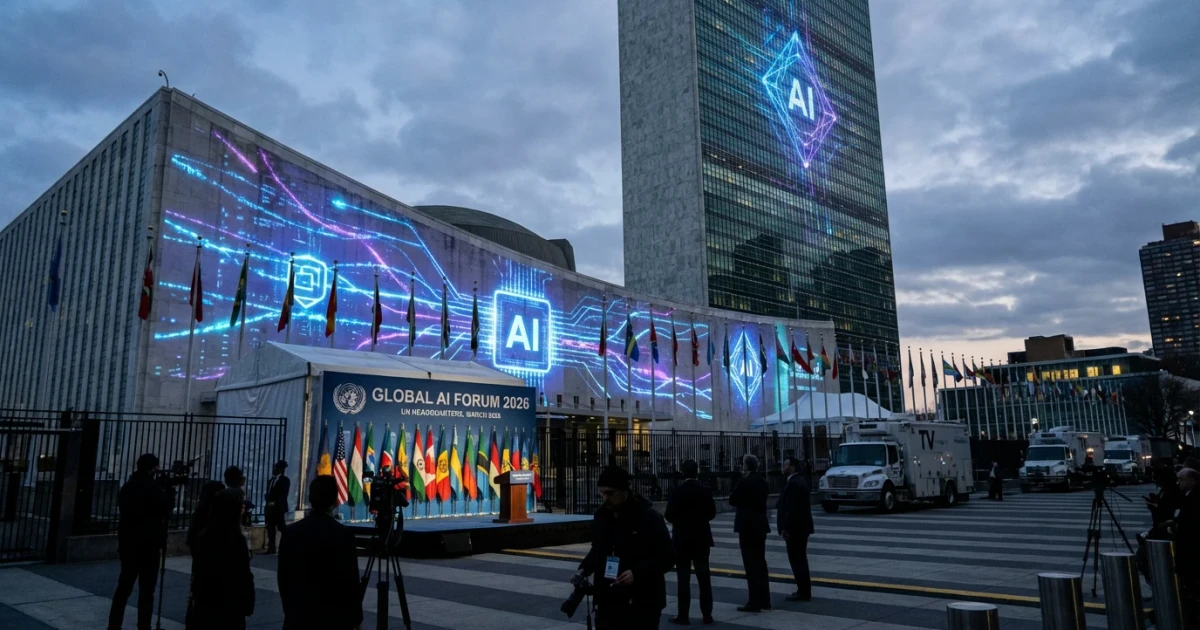
Artificial intelligence remains firmly in the global spotlight in 2026, as organizations, governments, and researchers intensify their efforts to shape the future of this rapidly evolving technology. As reported by AP News and The Guardian, interest in AI continues to surge, driven by advances in machine learning, expanded industry applications, and ongoing debates around ethics and regulation.
The Expanding Reach of Artificial Intelligence
According to OECD data, investment in AI technologies has seen year-over-year growth, with both private and public sectors ramping up funding for research, development, and deployment. The technology is increasingly embedded across industries, from healthcare diagnostics and finance to manufacturing and autonomous vehicles.
- Healthcare: AI-driven tools are aiding in diagnostics, personalized treatment plans, and drug discovery.
- Finance: Algorithms help detect fraud and assess credit risk, improving financial security and efficiency.
- Manufacturing: Intelligent automation is enhancing productivity and safety on factory floors.
Research, Innovation, and Benchmarks
The Stanford AI Index Report highlights a steady increase in research output and technical breakthroughs. State-of-the-art AI models continue to set new benchmarks in natural language processing, computer vision, and robotics, as tracked by platforms like Papers With Code.
Regulation and Global Policy Developments
With AI’s rapid growth come mounting concerns over privacy, security, and ethical use. Policymakers are responding with new frameworks, including the NIST AI Risk Management Framework in the United States and the European Union’s Artificial Intelligence Act, which aim to establish standards for transparency, accountability, and risk mitigation in AI systems.
Societal Impact and Future Outlook
AI’s influence on the labor market, education, and everyday life continues to spark debate. According to analysis from McKinsey, AI adoption is projected to boost productivity but also presents challenges related to job displacement and skills gaps. Initiatives like the ITU AI for Good program seek to harness AI for sustainable development, emphasizing the technology’s potential to address global challenges.
Conclusion
As 2026 unfolds, artificial intelligence stands as both a transformative force and a subject of intense scrutiny. Ongoing advances in technology, policy, and ethics will shape how AI is integrated into society, underscoring the importance of continued research, international cooperation, and public dialogue.