Technology
Artificial Intelligence Gains Ground in Modern Farming
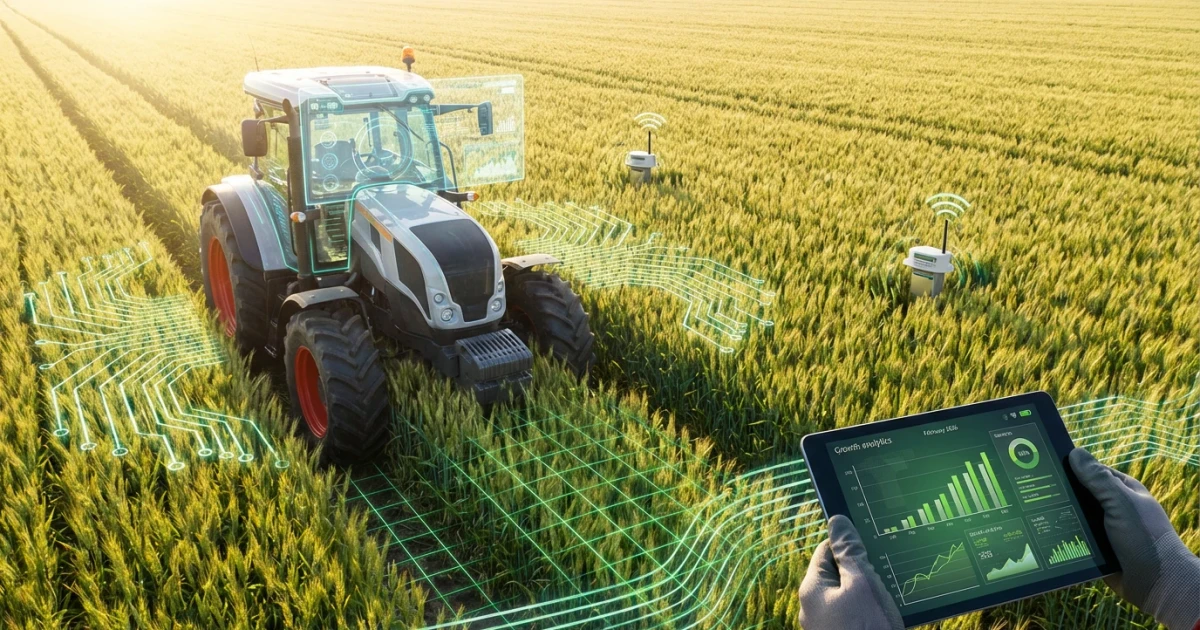
Artificial intelligence is emerging as a key force in modern agriculture, with experts and industry leaders increasingly describing it as the future of farming. As AI technology evolves, its applications are rapidly expanding from research labs to fields around the world, bringing new possibilities and challenges for food production.
AI’s Expanding Role in Agriculture
Recent coverage from The Western Producer highlights growing consensus among agricultural experts that artificial intelligence is poised to revolutionize farming practices. AI-driven systems are now being used to analyze vast datasets collected from soil sensors, drones, and satellite imagery, enabling farmers to make more informed decisions about planting, irrigation, and crop health. This data-driven approach helps optimize resource use, improve yields, and reduce environmental impact.
- AI-powered predictive models forecast weather patterns and disease risks, allowing for more precise crop management.
- Automated machinery and robotics, guided by AI algorithms, perform tasks such as planting and harvesting with increased accuracy.
- Image recognition tools help detect pests and nutrient deficiencies, supporting timely interventions and reducing chemical usage.
The Guardian's coverage underscores the rapid adoption of AI across industries, including agriculture, where the technology is seen as an essential tool for addressing challenges like climate change, labor shortages, and global food security.
Benefits for Farmers and the Environment
AI’s integration into farming offers several measurable benefits for both producers and the environment. By leveraging machine learning to analyze data from connected devices, farmers can:
- Reduce input costs by applying fertilizers and water only where needed
- Increase crop yields through precise seed placement and monitoring
- Lower greenhouse gas emissions by optimizing machinery use and minimizing waste
According to the OECD AI Policy Observatory, various countries are investing in national AI policies that include agricultural innovation, further accelerating adoption and research into sustainable farming practices.
Challenges and Considerations
Despite its promise, AI adoption in agriculture faces hurdles. Initial costs for advanced technologies can be prohibitive for small and medium-sized farms, and there are ongoing concerns about data privacy, workforce displacement, and equitable access. The Guardian notes that ethical considerations, such as transparency of AI decision-making and the risk of algorithmic bias, are increasingly part of the public conversation.
Industry analysts emphasize the need for robust standards and regulatory frameworks to guide responsible AI use in agriculture. The US National Institute of Standards and Technology and other bodies are developing technical guidelines to support safe and effective AI deployment in critical sectors like food production.
Looking Ahead
As artificial intelligence continues to advance, its role in agriculture is expected to grow. Ongoing research, supported by both public and private investment, aims to make AI-powered tools more affordable, interoperable, and accessible for farmers of all scales. According to analysts, the ongoing integration of AI is likely to reshape not only how food is produced, but also how agricultural supply chains adapt to a changing world.
For those interested in the evolution of AI in farming, resources like the Stanford AI Index Report and the EU Open Data Portal offer in-depth data on adoption, research trends, and policy developments worldwide.
In summary, as AI tools become increasingly sophisticated and accessible, their potential to transform agriculture grows. While obstacles remain, the consensus among experts is clear: artificial intelligence will play a central role in the future of farming, shaping how food is grown, harvested, and delivered in the years to come.