Technology
Artificial Intelligence: Transforming Global Power and Geopolitics
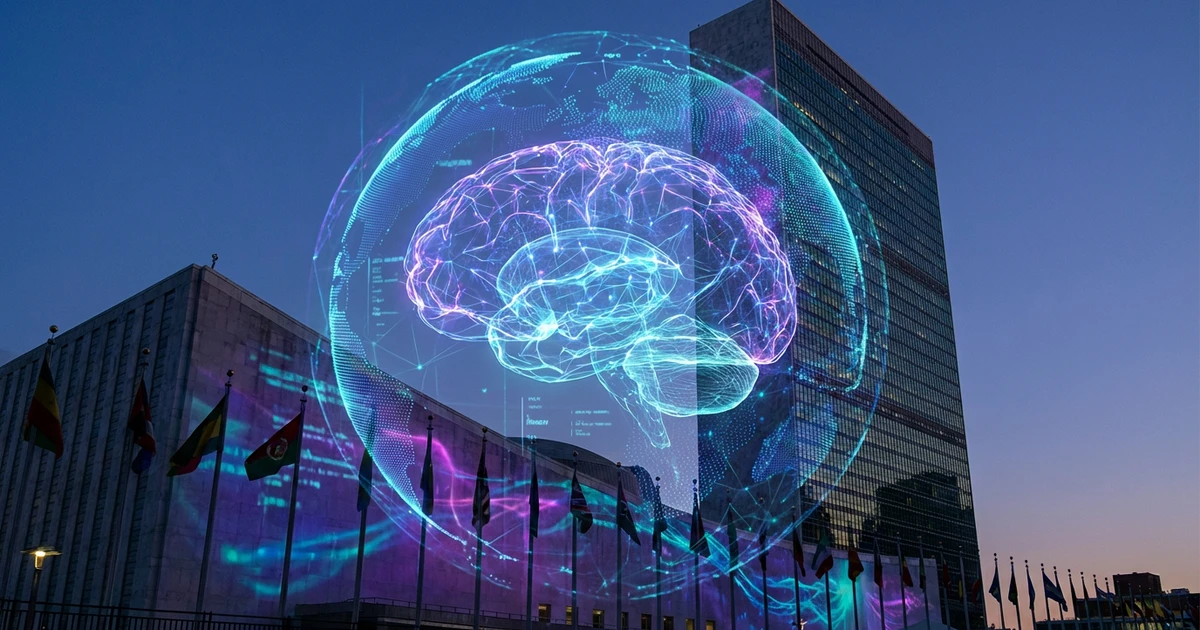
Artificial intelligence (AI) is rapidly emerging as a defining force of the 21st century, not only revolutionizing technology and industry, but also reshaping the very fabric of global geopolitics. As nations compete for leadership in AI research, development, and application, the technology is becoming a critical determinant of economic prosperity, military strength, and diplomatic influence worldwide.
The Expanding Reach of Artificial Intelligence
AI systems now underpin a vast array of sectors, from finance and healthcare to transportation and national security. According to The Guardian, AI's transformative power is evident in its widespread adoption, enabling businesses and governments to analyze massive datasets, automate complex processes, and develop increasingly sophisticated decision-making tools. These innovations are accelerating productivity and opening up new frontiers in scientific discovery and economic growth.
- Healthcare: AI algorithms help diagnose diseases, predict outbreaks, and personalize treatments.
- Finance: Machine learning is optimizing investment strategies and detecting fraud.
- Transportation: Autonomous vehicles and smart logistics are streamlining global supply chains.
Geopolitical Implications: The New Arms Race
In the analysis by Foreign Affairs, the rapid advancement of AI is not just an economic phenomenon—it is at the heart of a new geopolitical contest. Major powers are racing to harness AI for strategic advantage, recognizing its potential to reshape global power dynamics. Nations leading in AI innovation are poised to gain significant leverage in both military and diplomatic arenas.
- Military Applications: AI enhances intelligence gathering, autonomous weapon systems, and cyber defense capabilities.
- Diplomatic Influence: States with advanced AI infrastructure can set international standards and norms, influencing global governance.
- Economic Competitiveness: AI leadership drives job creation in high-tech sectors while potentially exacerbating inequalities where adoption lags.
The U.S., China, and the Global AI Race
The competition between the United States and China is especially pronounced. Both countries are investing heavily in AI research, talent acquisition, and infrastructure. Their rivalry extends to shaping international rules on privacy, data governance, and the ethical use of AI technologies. This contest has far-reaching implications for the global order, as alliances and trade relationships shift around the pursuit of AI supremacy.
Risks and Challenges
While AI offers immense potential, it also presents significant risks. The Guardian highlights concerns about algorithmic bias, loss of privacy, and the displacement of jobs due to automation. In the geopolitical arena, Foreign Affairs emphasizes the potential for an AI-enabled arms race, increased cyberattacks, and the destabilization of international security arrangements. The lack of global consensus on AI governance further complicates efforts to address these risks.
- Algorithmic Bias: AI systems can reinforce existing social inequalities if not properly managed.
- Job Displacement: Automation threatens traditional employment sectors, demanding new strategies for workforce adaptation.
- Security Threats: AI-powered cyber capabilities could outpace existing defense mechanisms.
Looking Forward: Cooperation and Competition
The future of AI will depend on a delicate balance between international cooperation and strategic competition. Leading experts advocate for global frameworks to ensure AI is developed and deployed responsibly, minimizing risks while maximizing shared benefits. Initiatives promoting transparency, ethical standards, and cross-border collaboration could help mitigate the most dangerous aspects of the AI revolution.
Ultimately, the nations that successfully integrate AI into their economies and security structures—while navigating its ethical and societal challenges—will shape the contours of global power in the decades ahead. The race for AI dominance is not just about technological prowess; it is about defining the future of international relations, economic opportunity, and human progress.
Sources
- [1]The Guardian
- [2]Foreign Affairs