Politics
As Congress Returns, Public Frustration and Political Clashes Reach New Heights
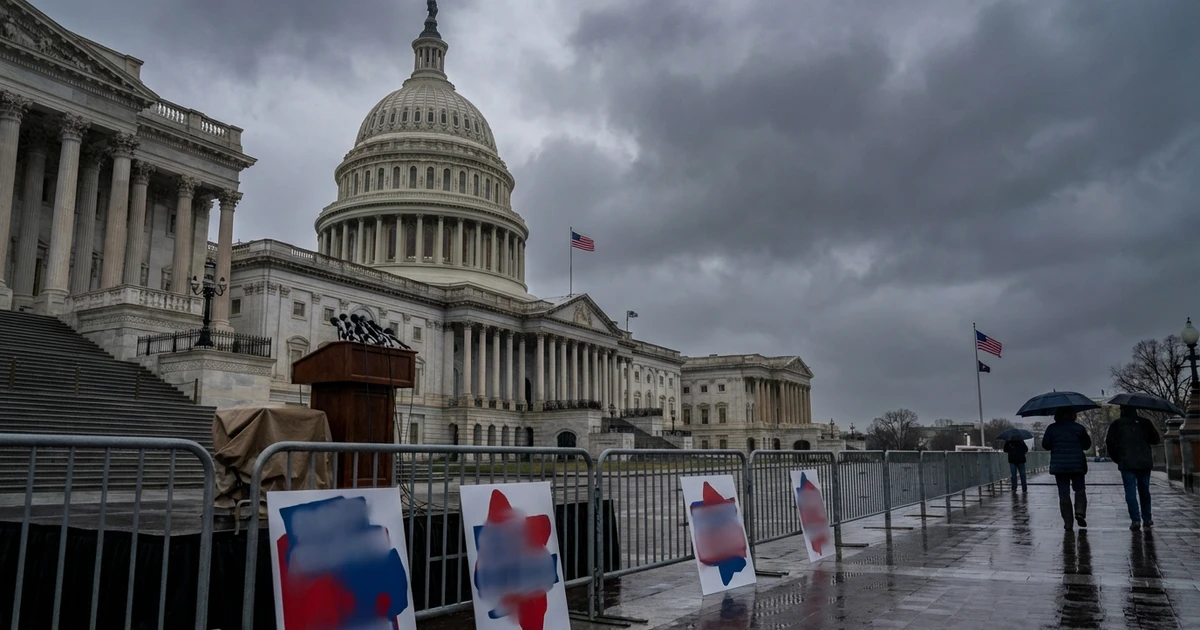
With Congress returning to Washington after its summer recess, Americans’ frustration with the nation’s political system is once again in sharp focus. As lawmakers reconvene, the intersection of heated politics and contentious policy debates threatens to amplify the dysfunction that has become synonymous with Capitol Hill.
Congress Returns to a Divided Political Climate
The resumption of congressional activity brings with it a familiar sense of gridlock and partisan tension. Recent sessions have been marked by fierce disputes over key issues such as government funding, national security, and social policy. As reported by Federal News Network, the legislative agenda is packed, but the prospects for meaningful compromise remain slim. The collision of politics and policy is expected to be especially loud in the coming months, with each party seeking to solidify its stance ahead of next year’s election cycle.
- Legislative priorities on the docket include appropriations bills, border security measures, and healthcare policy adjustments.
- Partisan divides continue to limit the passage of major legislation, with lawmakers often prioritizing political posturing over compromise.
Why Public Anger Is Increasing
According to The Fulcrum, much of the public’s growing anger at politics can be traced back to Congress itself. Chronic dysfunction, frequent brinkmanship, and a lack of bipartisan cooperation have eroded trust in the legislative branch. This sentiment is not new, but it has intensified as legislative stalemates become more frequent and high-profile. Americans are increasingly blaming Congress as the source of political dysfunction, rather than external factors or the executive branch.
- Public approval ratings for Congress remain near historic lows, reflecting widespread frustration.
- Gridlock over budget and policy decisions has led to repeated threats of government shutdowns.
The Collision of Policy and Politics
As Federal News Network highlights, the return to session is expected to spark a ‘collision’ between policy goals and political strategies. Lawmakers face pressure to deliver on campaign promises, but competing priorities and election-year maneuvering threaten to overshadow substantive policy work. The looming deadlines for major funding bills and the possibility of contentious hearings add to the sense of urgency—and chaos—on Capitol Hill.
- Appropriations deadlines could result in another budget showdown, risking government services and public trust.
- High-profile committees are set to launch investigations and hearings that may further inflame partisan divides.
Potential Impacts on American Governance
The ongoing dysfunction and public dissatisfaction with Congress have significant implications for American governance. As legislative gridlock persists, key programs and services could face delays or disruptions. Moreover, the inability to address long-standing policy issues—from infrastructure to healthcare—leaves voters increasingly disillusioned with the political process.
Ultimately, as both The Fulcrum and Federal News Network observe, the return of Congress signals another chapter in the ongoing struggle between policy-making and political gamesmanship. With public patience wearing thin, the actions—or inaction—of lawmakers in the coming months will likely determine the tone of the upcoming election and the nation’s confidence in its democratic institutions.
Looking Forward
As the fall session unfolds, all eyes are on Congress to see whether it can rise above partisan squabbles and deliver results for the American people. Stakeholders across the political spectrum are urging lawmakers to prioritize compromise and effective governance over headline-grabbing confrontations. Whether this call will be heeded remains to be seen, but the stakes—for both Congress and the nation—are higher than ever.