World
As Gaza heats up, displaced families seek relief at the sea
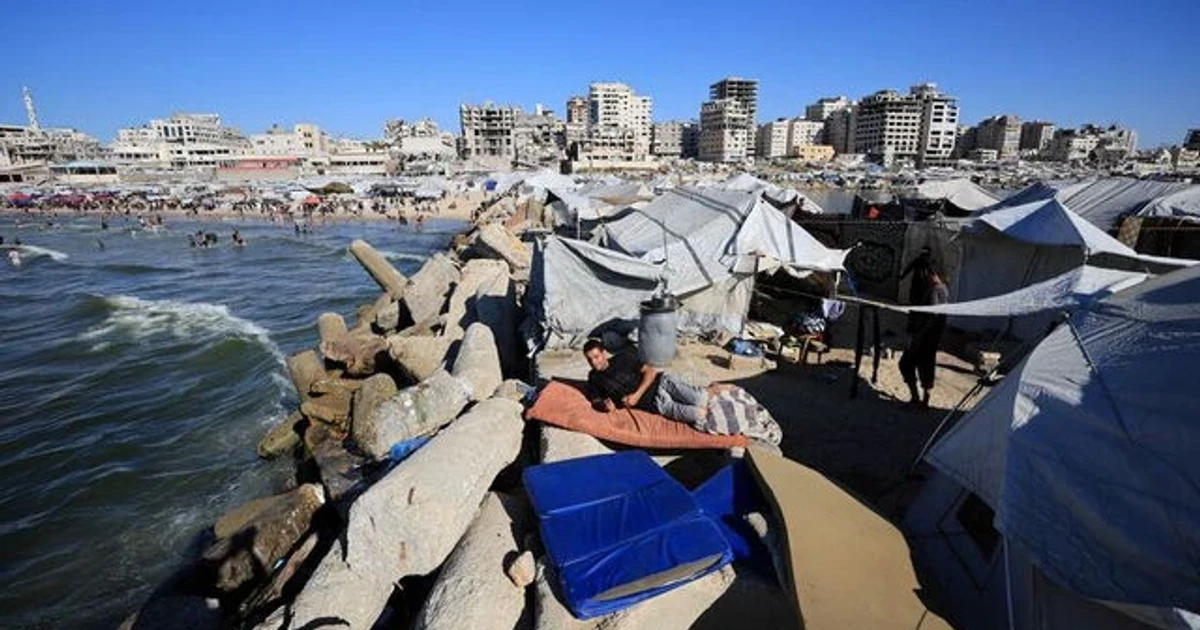
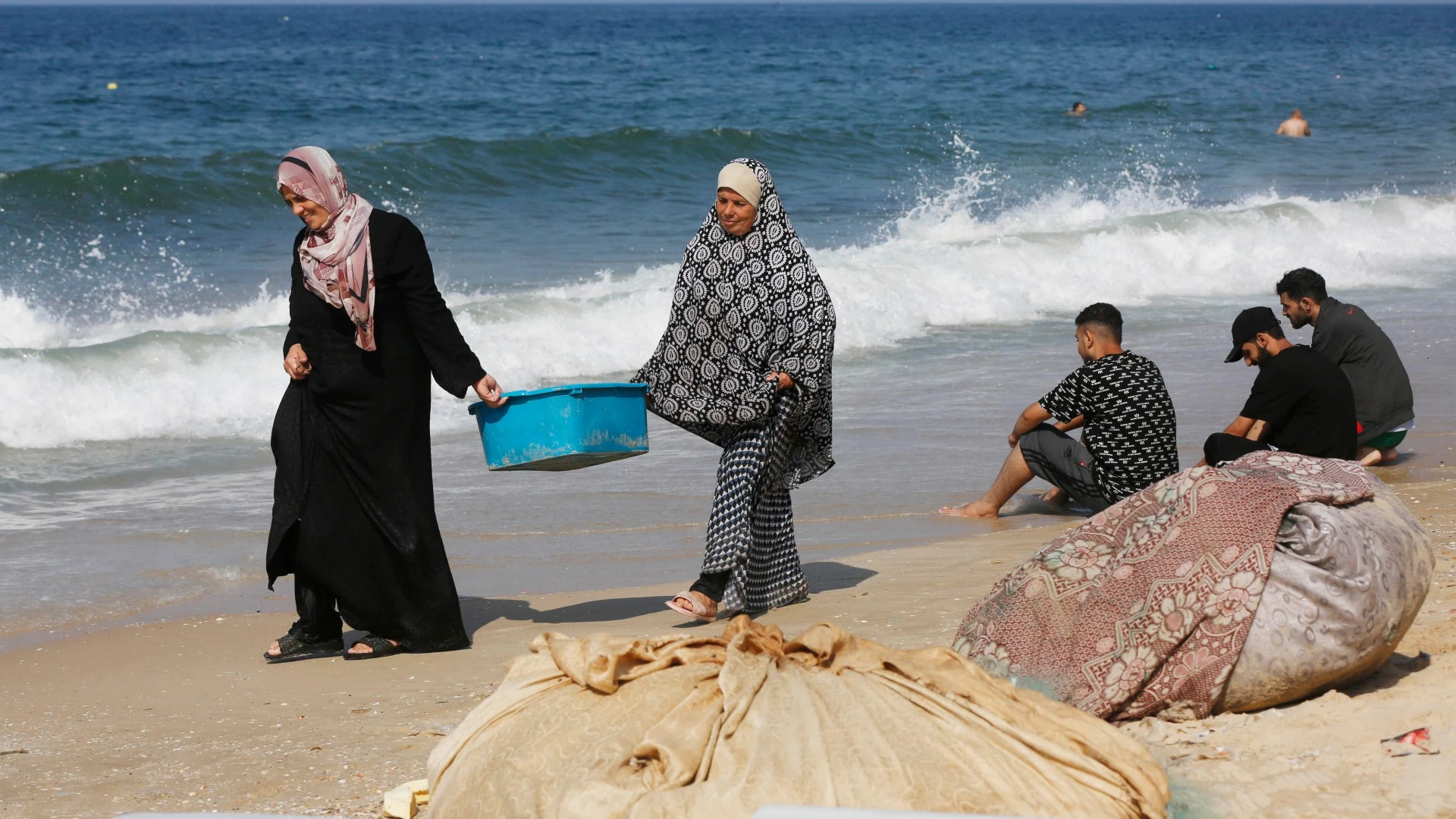
At the Mediterranean shore, Gaza’s summer escape has become a place of necessity. Displaced families have been leaving sweltering tents and damaged buildings to bathe, rinse off and wash clothes in the sea because fresh water is scarce and the shelters they occupy have turned unbearably hot.
The scene reflects how daily life has narrowed into survival choices. With nearly all of Gaza’s people compressed into a narrow coastal strip after two years of war, the beach has become an improvised refuge rather than a place of leisure. For many families, the alternative is staying in tents that are hotbeds for bugs and disease, or enduring another day without enough water to wash, cook or cool down.
The water system has collapsed around them. United Nations humanitarian officials said in mid-June that 93 percent of households faced water insecurity, while only 40 percent of drinking-water facilities remained functional. They said fuel shortages were pushing the system closer to failure and that people living in overcrowded conditions had limited access to safe water, hygiene supplies and timely treatment. Skin diseases and infections were rising as a result.
The damage is not limited to thirst. Humanitarian officials said sewage has been diverted into stormwater basins and the sea, creating severe environmental pollution along Gaza’s coast. That means the same water families are using to get brief relief is also part of a wider sanitation disaster, one that makes bathing less a form of relief than a grim workaround in a place where pipes, pumps and treatment plants have been shattered.
A child-focused assessment by UNICEF, conducted from December 21, 2025, to January 15, 2026, covered 2,071 households across all governorates in the Gaza Strip and found that two years of bombardment, repeated mass displacement and the collapse of essential services had created a severe, multidimensional crisis for children. The United Nations Environment Programme warned in September 2025 that two years of escalating conflict had caused unprecedented environmental damage, harming soils, freshwater supplies and the coastline. The World Health Organization had warned as early as November 2023 that disrupted health, water and sanitation systems could accelerate the spread of infectious disease.
On Gaza’s shoreline, those warnings now play out in plain sight. Families wash quickly, rinse clothes in seawater and leave before the heat and germs become too much, a routine built around the absence of safe shelter, sanitation and public space. The coast offers only a temporary pause from a humanitarian collapse that has overtaken daily life.
Sources
- [1]usnews.com
- [2]straitstimes.com
- [3]ochaopt.org
- [4]unicef.org
- [5]unep.org
- [6]emro.who.int