World
Asia leaders seek resilience as U.S.-China rivalry reshapes strategy
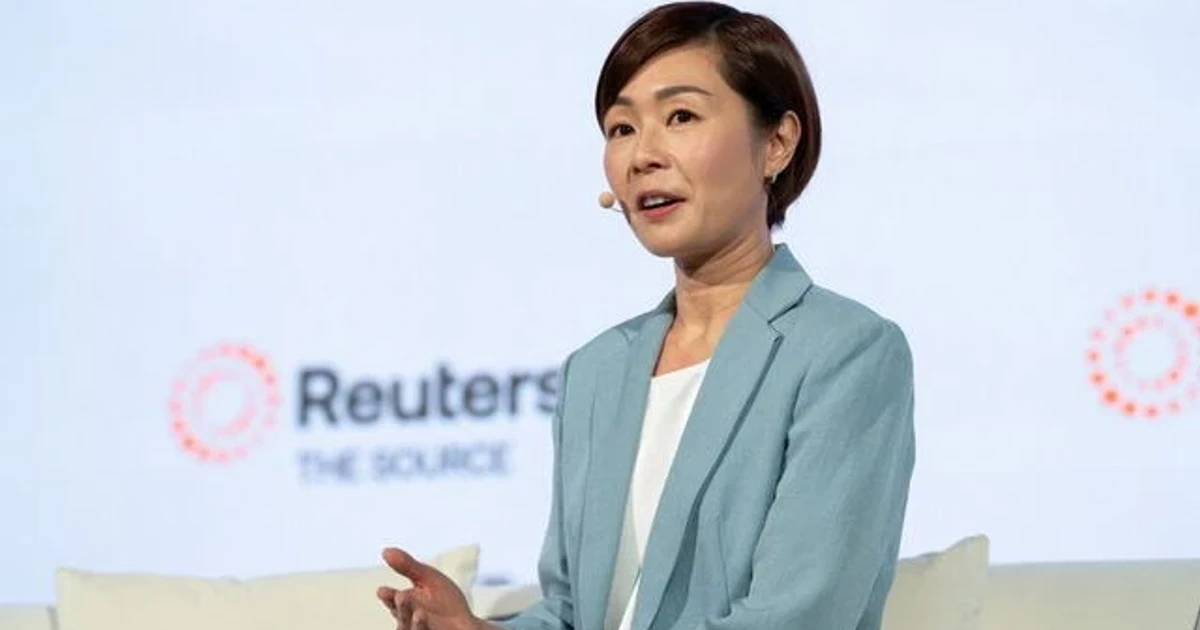
Thai officials at Reuters NEXT Asia in Singapore cast Thailand as a trusted connector rather than a country forced to choose between Washington and Beijing, putting investment quality and supply-chain links at the center of the region’s new playbook. The summit, held on July 9, drew about 350 to 400 C-suite leaders, policymakers and business figures as Asian decision-makers treated geopolitical tension less as a temporary shock than as a lasting condition.
That shift has been reinforced by trade flows. In 2025, U.S. imports from China fell 28% and U.S. exports to China fell 38%, while Southeast Asian countries gained sourcing share. Indonesia and Thailand were among the beneficiaries, and trade-data analysis also showed Chinese exports to the six largest Southeast Asian economies rising sharply, underscoring how the region has become both a manufacturing alternative and a destination for diverted trade. For governments in Asia, the lesson is not simply to welcome more investment, but to capture the kind that brings technology transfer, skilled jobs and deeper domestic supply chains.
Hong Kong Investment Corporation chief executive Clara Chan described geopolitical uncertainty as a potential opening for patient capital, not just a risk to be avoided. HKIC is wholly owned by the Hong Kong Special Administrative Region government, was established in 2022, and was designed to manage designated government funds while supporting strategic industry development and generating returns. Its mandate is explicitly dual, aiming for medium- to long-term financial return while strengthening Hong Kong’s economic vitality, and Chan said the fund expected to post a double-digit internal rate of return since inception when its annual report is released.
Temasek’s Rohit Sipahimalani added a similar message for investors building portfolios around geopolitics, artificial intelligence, climate change and inflation. Temasek’s 2025 review, published on July 9, 2025, put net portfolio value at S$434 billion as of March 31, 2025, with its asset management companies holding more than S$90 billion in assets under management. Teo Chee Hean, Temasek’s chairman, said in June that geopolitics had become central to global investment strategy and pointed to large domestic markets, the digital economy, healthcare and sustainability as key themes.

The common thread in Singapore was a third strategy for Asia: not alignment with Washington or Beijing, but resilience built through trade diversification, selective capital allocation and policy room to maneuver when rivalry intensifies.
Sources
- [1]usnews.com
- [2]events.reutersevents.com
- [3]hkic.org.hk
- [4]info.gov.hk
- [5]temasekreview.com.sg
- [6]temasek.com.sg
- [7]straitstimes.com
- [8]prnewswire.com
- [9]ecb.europa.eu