Business
Asia stocks surge toward record quarter as yen hits low

Asian stocks were heading into the end of June with one of the strongest quarterly runs in years, led by chip-heavy markets that drew money even as currency and commodity moves pointed in opposite directions. Japan’s Nikkei was on track for a record quarterly gain of more than 36%, South Korea’s KOSPI had climbed nearly 65% in the second quarter and more than doubled for the year, and Taiwan’s benchmark was headed for a quarterly rise of more than 40%.
The surge was concentrated in technology names, especially semiconductors tied to the artificial intelligence build-out. The Nikkei hit a record closing high on June 25 after Micron Technology issued an upbeat outlook and said customers had committed $22 billion to secure memory-chip supply, a signal that demand for advanced chips was still pulling Japanese and South Korean equities higher. That same trade helped lift Taiwan, where semiconductor production sits at the center of the market’s rally.
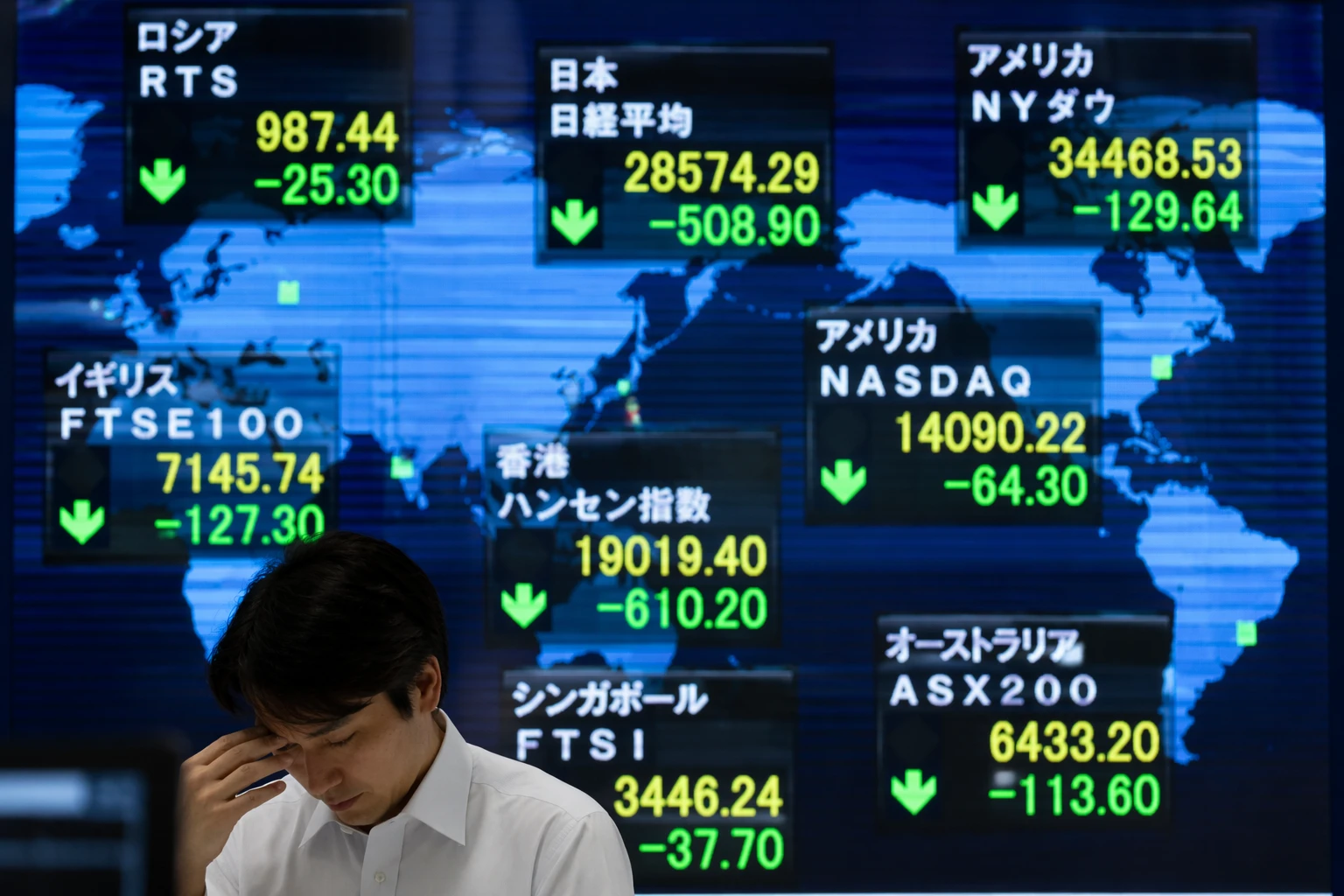
The foreign-exchange backdrop was far less comfortable for Japan. The yen fell to 162.41 per dollar, its weakest level in about four decades, sharpening pressure on policymakers in Tokyo. Finance Minister Satsuki Katayama said authorities were ready to respond appropriately to currency moves at any time, a reminder that traders still see the risk of intervention if the slide accelerates. A weak yen also keeps imported inflation in view for Japanese households and businesses, while making the country’s exporters more price-competitive abroad.
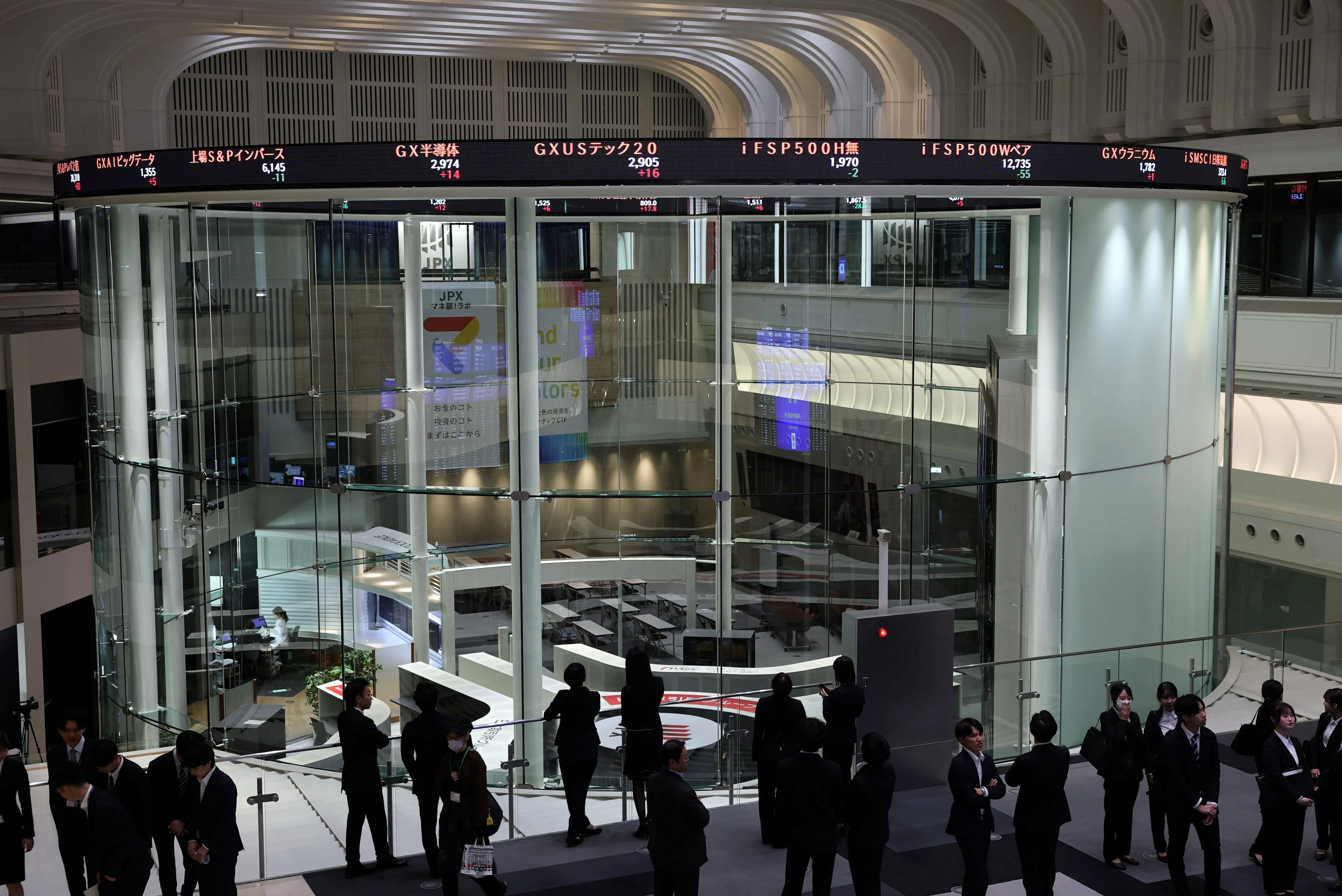
Haven assets were sending a mixed message. Gold was on track for its biggest quarterly fall in more than a decade, while Brent crude held around $72.49 a barrel, close to pre-war levels. The International Energy Agency said North Sea Dated crude had dropped sharply from May through mid-June as oil demand softened and peace-deal speculation increased. Lower energy prices have eased some inflation pressure and helped global growth look less threatening, which has encouraged investors to lean back into risk.

That combination matters well beyond Asia. For U.S. investors, the rally reinforces how much of this year’s market leadership has flowed through artificial intelligence and semiconductor supply chains rather than broad cyclical strength. For U.S. exporters, a weaker yen can sharpen competition from Japanese manufacturers, especially in autos, machinery and electronics. And for the Federal Reserve, cheaper oil and a still-elevated dollar help keep inflation pressures in check, supporting expectations that policy makers can wait longer before easing.
Sources
- [1]business-standard.com
- [2]msn.com
- [3]iea.org
- [4]japannews.yomiuri.co.jp