Business
Asian stocks fall as investors question AI spending boom

Asian shares eased from record highs on Friday as Apple’s price hikes sharpened doubts about how much more the chip demand boom can stretch. The selloff hit the region’s most AI-sensitive names hardest, with Samsung Electronics, SK Hynix and SoftBank Group all dragged lower as investors took profits from a rally that had pushed several benchmarks to record levels.
The latest drop followed a rough stretch for global tech markets. A weak outlook from Broadcom helped trigger a semiconductor selloff, while the U.S. Nasdaq fell more than 4.5% in a week and renewed pressure on AI-linked valuations spread back into Asia. One market reading had chip stocks up more than 92% for 2026 before the pullback, leaving little room for disappointment when earnings arrived without stronger guidance.
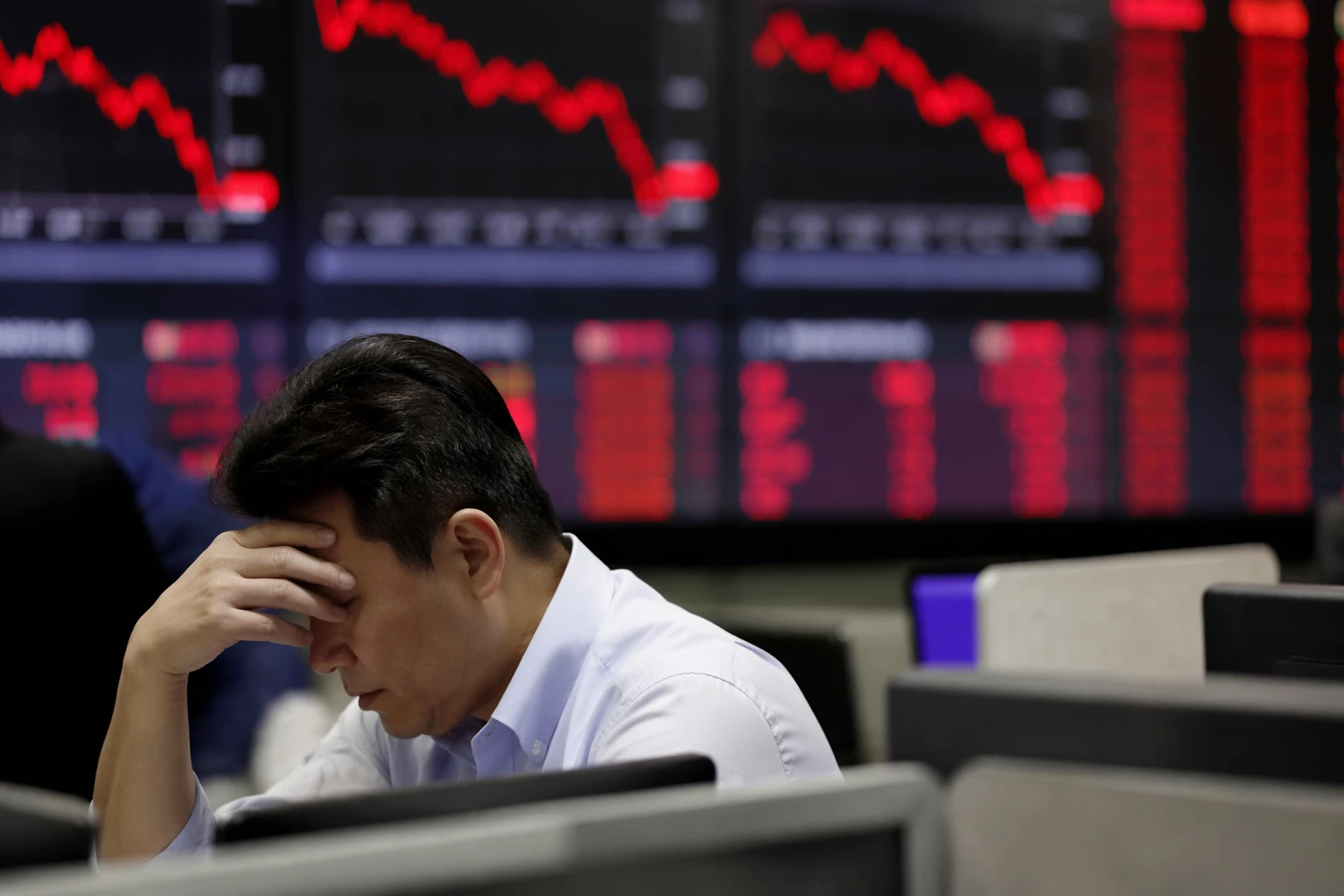
South Korea bore the brunt of the move. The Kospi, heavily weighted toward chips, plunged as much as 8.8% in one session as investors rushed out of the hottest AI-linked shares. Samsung Electronics finished down 10.18% and SK Hynix fell 7.68%, underscoring how quickly gains in memory chips can unwind when traders question whether demand will keep matching expectations. SoftBank Group, another prominent AI trade, was also caught in the rout.
The worry is shifting from whether artificial intelligence will create demand to whether the spending now flooding into data centers, chips and components can earn enough back. Apple’s higher prices added to that anxiety by signaling that rising component costs could squeeze margins and eventually cool consumer demand for devices tied to the AI cycle. That is the crux of the debate now gripping markets from Seoul to Tokyo: investors are no longer just betting on more AI spending, they are asking who pays for it, how long it lasts and when the profits arrive.

For ordinary retirement investors and pension managers, the danger lies in how concentrated the trade has become. A handful of large technology and semiconductor names have carried much of the region’s market performance, which means a valuation reset can quickly spill into funds and savings accounts that track those indexes. If guidance stops rising fast enough, the same stocks that lifted Asian markets to records can drag them down just as fast.
Sources
- [1]nytimes.com
- [2]msn.com
- [3]cnbc.com
- [4]straitstimes.com
- [5]bloomberg.com