Business
Asian Stocks Rise as US Softens Stance on Iran
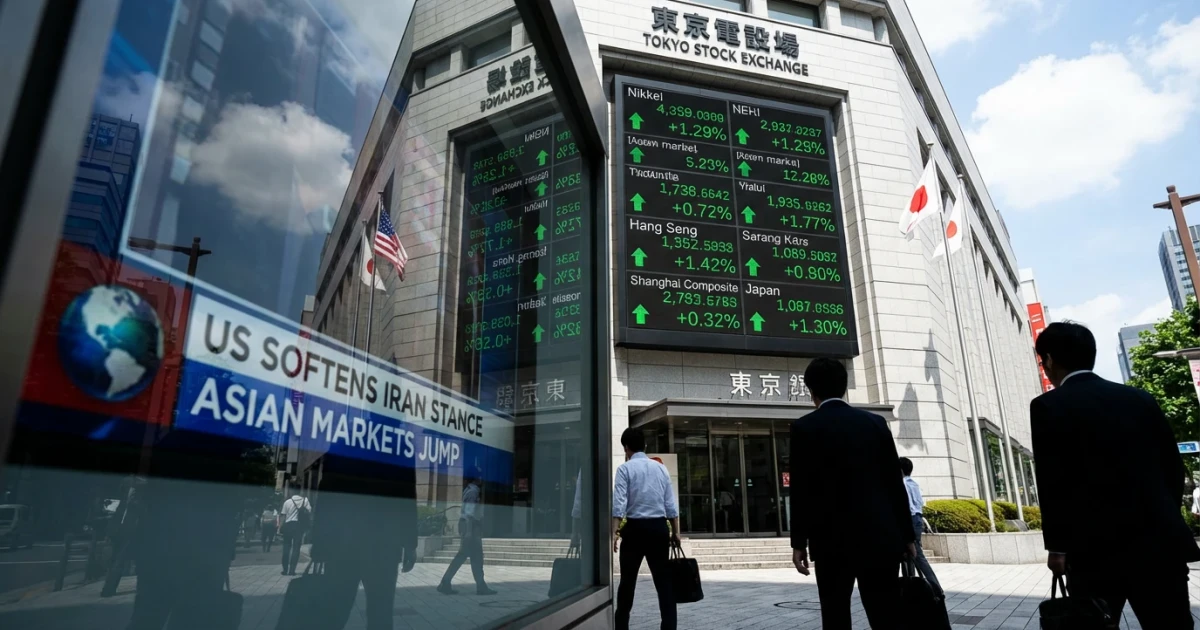
Asian stock markets opened higher on Monday, buoyed by signals from the United States indicating a de-escalation of threats toward Iran. This shift in tone brought a measure of relief to investors after weeks of volatility driven by concerns about potential conflict in the Middle East.
Market Reaction Across Asia
According to Bloomberg, major indices in the region registered early gains, with the Nikkei, Hang Seng, and Shanghai Composite all edging upward in morning trading. The positive sentiment came after U.S. officials suggested a preference for diplomatic engagement with Tehran rather than further escalation.
- Japan's Nikkei advanced, reflecting renewed hope among investors for regional stability.
- Hong Kong's Hang Seng and mainland China's Shanghai Composite both posted modest increases, as concerns over oil price spikes eased.
For up-to-date market data and trends, readers can explore Bloomberg's global stock statistics or view Reuters' interactive Asian market charts.
US Policy Shift Calms Investors
The US had previously issued stern warnings to Iran, sparking fears about disruptions to crude oil supply through the Strait of Hormuz—a key global energy chokepoint. However, as Bloomberg reported, a recent change in rhetoric from Washington signaled a move away from immediate confrontation. While the details of this change remain limited, market participants interpreted the language as a step back from brinkmanship.
The initial relief saw regional shares gain ground, though some analysts noted that lingering uncertainties could still affect sentiment in the coming days.
Oil Prices and Energy Market Implications
Despite the rebound in equities, oil prices remained volatile. As the prospect of direct conflict faded, crude prices edged upward only slightly, in contrast to the sharp surges seen during earlier periods of tension. Investors continue to monitor the situation closely, with the official Brent crude oil price data showing recent fluctuations tied directly to geopolitical developments.
While immediate threats to supply appear diminished, energy analysts caution that the region remains sensitive to policy changes or renewed hostilities. For a deeper look at the impact of sanctions and geopolitical risk on energy markets, readers can review research from the Baker Institute.
Economic Outlook and Investor Sentiment
The easing of tensions has improved investor sentiment, at least in the short term. Analysts told Bloomberg that Asian economies—particularly those reliant on energy imports—stand to benefit if stability is maintained. However, they also warn that the situation remains fluid, and any resurgence in hostilities could quickly reverse market gains.
For those interested in broader economic indicators and forecasts, the IMF World Economic Outlook Database offers comprehensive statistics on Asian economies, while the OECD Economic Outlook provides analysis on global trends influencing markets.
Looking Ahead
Markets across Asia will continue to track diplomatic developments between the US and Iran. While Monday's rally reflects hope for continued calm, traders remain cautious, prepared to respond to any new shifts in policy or rhetoric. As the situation evolves, investors are advised to monitor live data and expert analysis to navigate ongoing uncertainty in both equities and energy markets.