Business
Asian stocks wobble as US-Iran ceasefire lifts oil prices
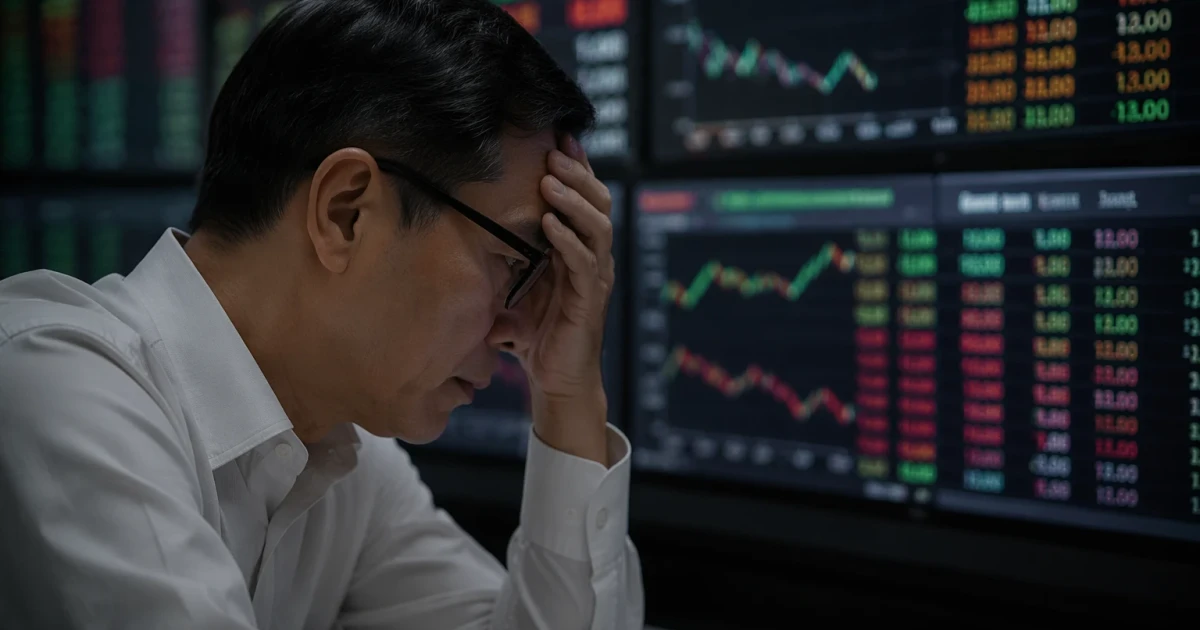
Asian stocks wobbled on Monday even after Iran and the United States agreed to halt recent hostilities, while oil prices rose and the dollar stayed near a one-year high. S&P 500 and Nasdaq futures gained 0.4% in early trading, but the move did little to steady Asian equities, with South Korea's KOSPI down nearly 2%, Japan's Nikkei off 1% and MSCI's broadest Asia-Pacific index lower by 0.4%.
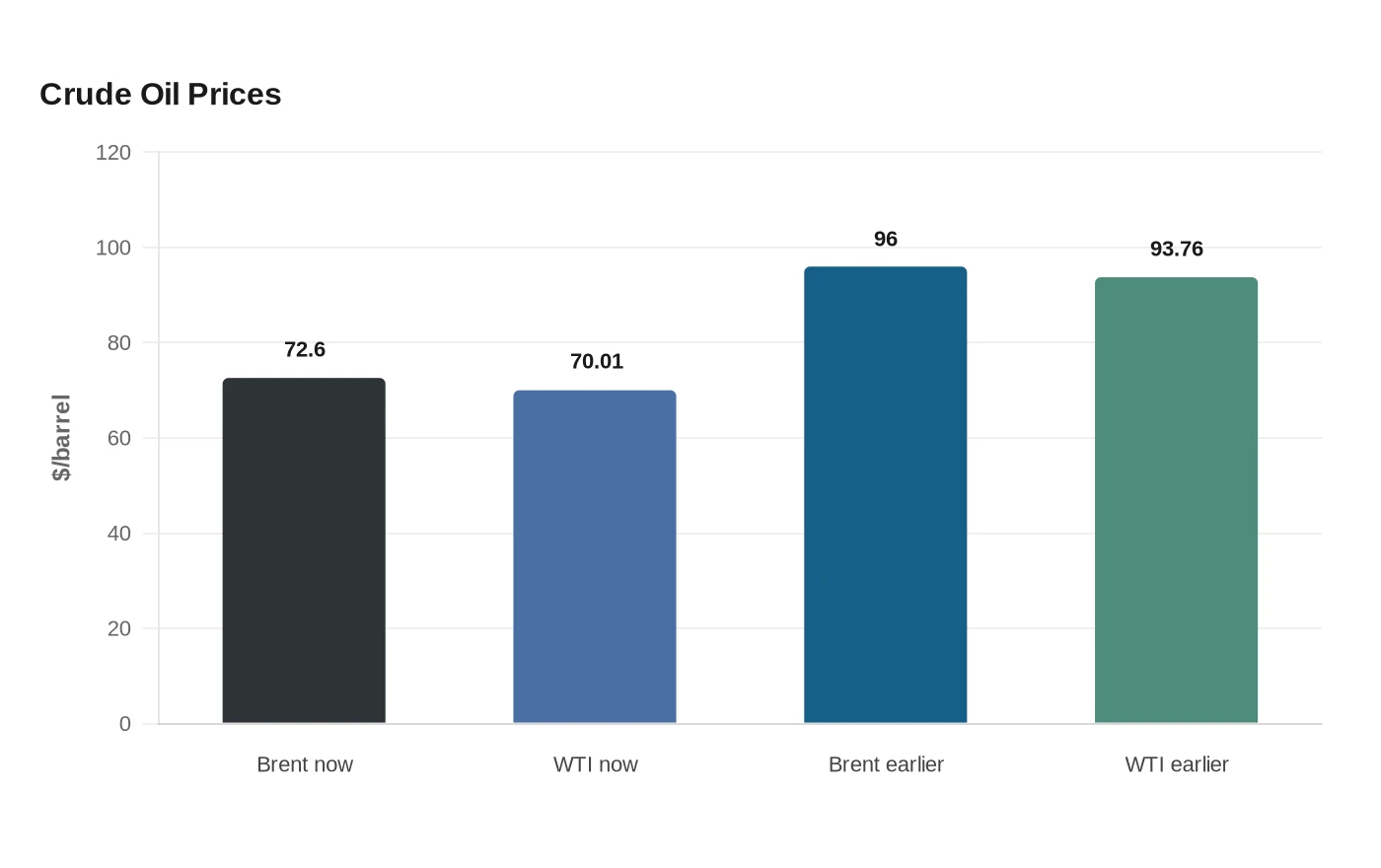
Crude sent a different message. Brent futures climbed 0.85% to $72.60 a barrel and U.S. West Texas Intermediate rose more than 1% to $70.01, showing traders were not pricing out the chance of another shock around the Strait of Hormuz. The renewed caution followed days of tit-for-tat strikes after an Iranian projectile hit a cargo vessel in the strait last week, a reminder that even a ceasefire can leave shipping lanes and energy supplies vulnerable.
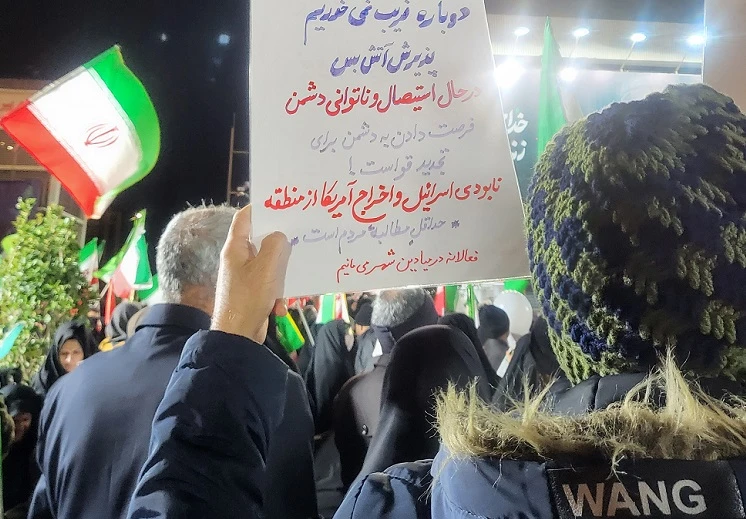
The market reaction also reflected a broader split between relief and doubt. ATFX Global strategist Nick Twidale said the market lacked direction, while Bannockburn Capital Markets strategist Marc Chandler said traders were entering July with a ceasefire that nobody fully trusted. That mistrust has kept a floor under crude even as stock futures have recovered, because the truce framework still depends on politics, transit arrangements and the willingness of both sides to hold fire.
The stakes for consumers and companies remain tied to how long the pause lasts. The 14-point interim peace accord agreed on June 17 was meant to reopen the Strait of Hormuz while talks continued on Iran's nuclear program, after fighting began with U.S. and Israeli strikes on Iran on February 28. Earlier this month, Brent settled at $96.00 a barrel and WTI at $93.76, after the conflict had choked off about a fifth of global oil and liquefied natural gas flows.
The International Energy Agency said global demand is forecast to decline by 1.1 million barrels a day in 2026, while global supply is set to fall by 3.9 million barrels a day to 102.4 million barrels a day. OECD government inventories have dropped to their lowest level since December 1990, leaving little cushion if the ceasefire frays and the Strait of Hormuz closes again. That is why stocks can rally on the promise of peace while oil continues to warn that the risk has not gone away.
Sources
- [1]news.google.com
- [2]money.usnews.com
- [3]iea.org
- [4]al-monitor.com