Business
Asics to spin off Onitsuka Tiger in bid for faster growth
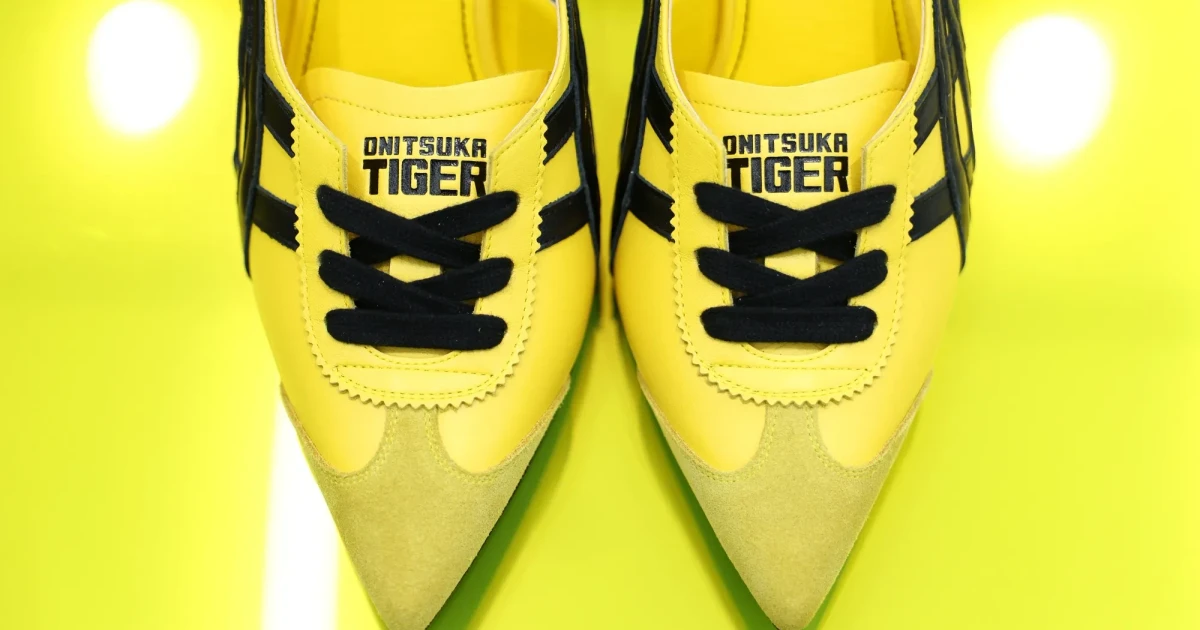
Asics is splitting off Onitsuka Tiger to give its premium sneaker label more independence after years of surging demand turned the brand into one of the group’s biggest profit engines. The move underscores a growing question in consumer goods: when a heritage label begins to outgrow its parent, does it deserve its own structure, and possibly its own valuation?
The company said the business will be transferred to OT Group Corp., a wholly owned subsidiary, through a simplified absorption-type company split targeted to take effect on January 1, 2027. Asics said OT Group will serve as the global headquarters for Onitsuka Tiger, with subsidiaries under it handling sales and manufacturing. Chief Executive Yasuhito Hirota said there are no plans to list OT Group publicly.

Onitsuka Tiger’s roots stretch back to 1949, when Kihachiro Onitsuka founded Onitsuka Co. in Kobe with two employees and 300,000 yen in capital. The company later adopted the ASICS name, an acronym from the Latin phrase Anima Sana In Corpore Sano, or a sound mind in a sound body. That history gives the label an identity that is distinct from Asics’s broader sportswear business, and the split formalizes that separation without fully severing it from the parent.
The strategic logic is clear. Onitsuka Tiger has benefited from a tourism boom and strong demand for retro-inspired sneakers, helping Asics deliver four straight years of record profit. By moving the brand into its own headquarters structure, Asics is betting that faster decision-making and tighter control over capital allocation will help sustain that momentum. Shares rose after the announcement, suggesting investors welcomed the prospect of a cleaner corporate structure around one of the company’s fastest-growing businesses.
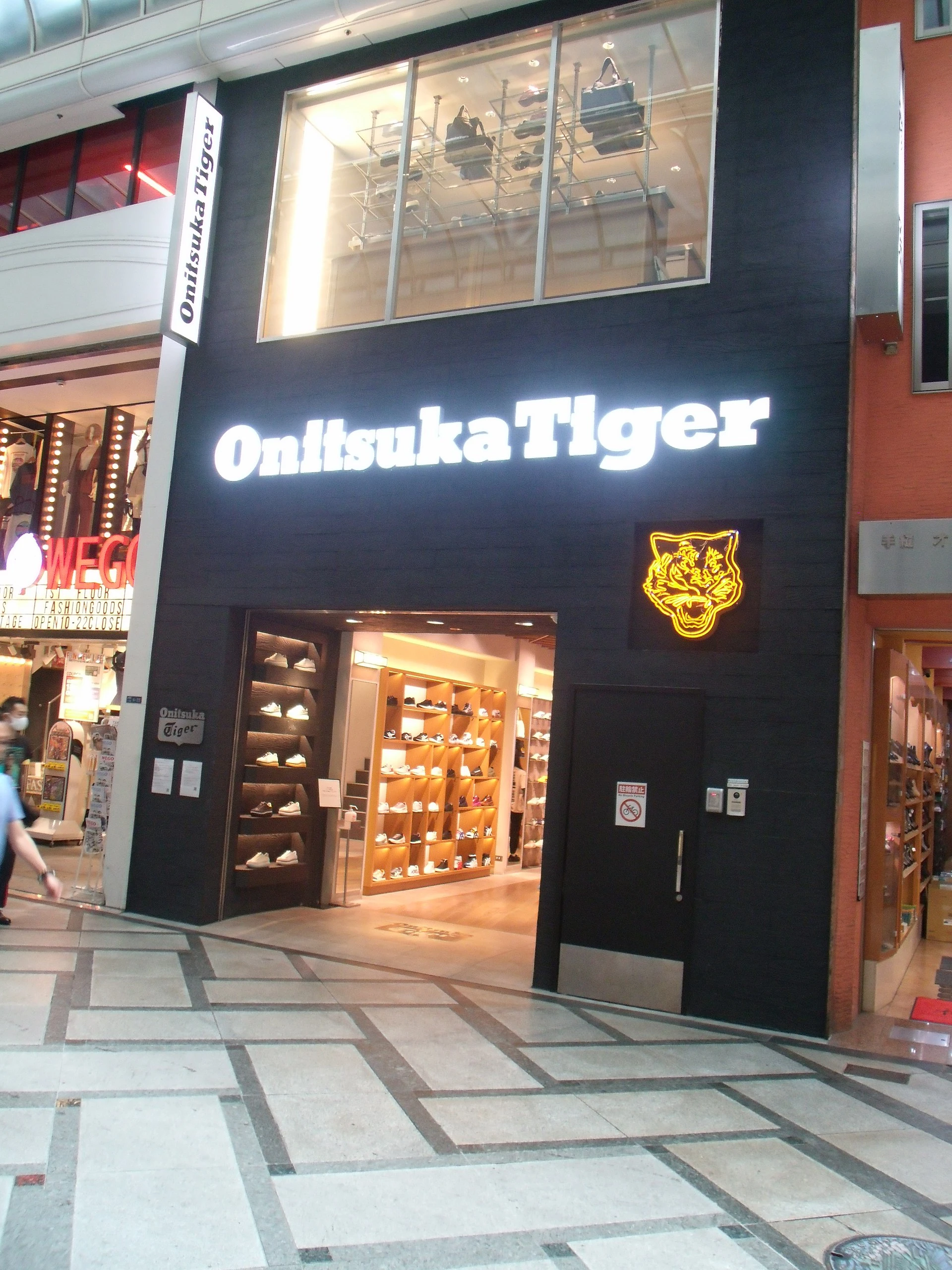
The reorganization also fits a wider pattern in branded consumer goods, where companies are increasingly separating premium, fast-growing divisions from slower and more operationally complex legacy operations. For Asics, the risk is that a split could complicate synergies if the parent and brand drift apart. The payoff, if execution holds, is sharper focus, a clearer picture of Onitsuka Tiger’s economics and a structure that may better match a global label whose appeal now reaches well beyond its Japanese sportswear origins.
Sources
- [1]money.usnews.com
- [2]corp.asics.com
- [3]bloomberg.com