Politics
Assam Congress President Criticizes Chief Minister’s Political Tactics
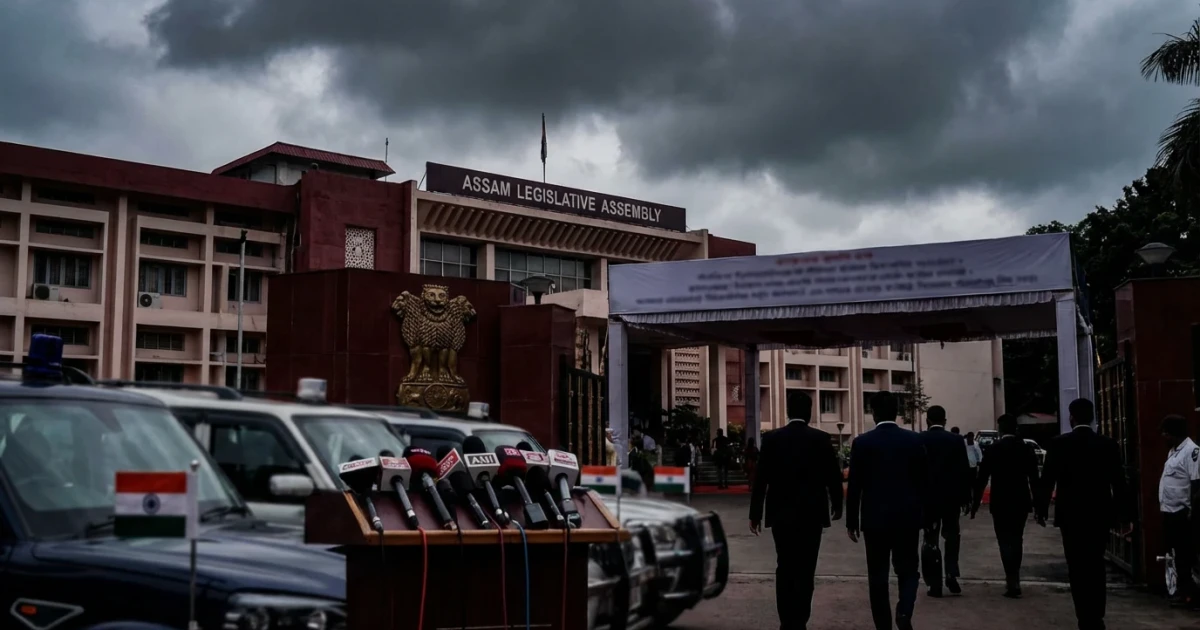
Assam Congress President Gaurav Gogoi has sharply criticized the state's chief minister, accusing him of engaging in what Gogoi described as 'dirty politics.' The remarks, made public on March 28, 2026, highlight growing tensions within Assam's political landscape as the state gears up for important legislative activities and potential electoral contests.
Congress Steps Up Critique of State Leadership
Speaking to the media, Gaurav Gogoi stated that the people of Assam are weary of negative political tactics. As reported by ANI News, Gogoi asserted:
"People do not want to witness dirty politics of CM."
This pointed comment signals the Congress party’s efforts to rally public support by positioning itself as an alternative to the current administration. The criticism comes at a time when both ruling and opposition parties in Assam are intensifying their rhetoric in anticipation of upcoming legislative sessions and possible elections.
Context: Political Climate in Assam
Assam’s political scene has seen heightened activity in recent years, as reflected in recent election results and shifting alliances. The current chief minister’s tenure has been marked by a mix of development initiatives and controversies, leading to frequent confrontations with opposition leaders. The Congress, under Gogoi’s leadership, has focused on themes of transparency and governance, accusing the ruling party of prioritizing political maneuvering over the needs of ordinary citizens.
Data from the Assam Legislative Assembly’s official records shows a vibrant yet contentious legislative environment, with opposition parties regularly challenging government bills and raising concerns about executive decisions. This adversarial dynamic often sets the tone for public statements and political campaigns in the state.
Public Opinion and Voter Sentiment
According to surveys conducted by Lokniti-CSDS, voter sentiment in Assam is influenced by a range of issues—including governance, political ethics, and economic development. While many voters express frustration with negative campaigning, issues of corruption and political conduct remain top concerns. These findings provide context for why leaders like Gogoi emphasize a rejection of so-called 'dirty politics' in their public messaging.
- Electoral turnout and engagement have remained robust in recent cycles, with official data showing competitive races across constituencies.
- Analysis from the Association for Democratic Reforms indicates that voters are increasingly aware of candidates’ backgrounds, including their legal and financial records.
Looking Ahead: Legislative and Electoral Implications
As Assam prepares for its next legislative session, political observers expect the war of words between the ruling party and the opposition to intensify. The Congress party’s recent statements suggest a strategic focus on accountability and public ethics—issues likely to resonate with segments of the electorate dissatisfied with current governance trends.
With the legislative calendar available through the Assam Legislative Assembly’s official business records, both parties are gearing up for debates on key bills and policy initiatives, further raising the stakes for all involved. Whether these confrontations will translate into shifts in public opinion or electoral outcomes remains to be seen, but the tone set by leaders like Gogoi ensures that political discourse in Assam will remain both dynamic and sharply contested in the months ahead.