Business
AstraZeneca, Bristol Myers Squibb hold talks on potential $400 billion deal

AstraZeneca held talks with Bristol Myers Squibb about a potential combination that could value the merged company at nearly $400 billion, a size that would put drug pricing, cancer competition and federal antitrust review in sharper focus.
The deal would bring together AstraZeneca’s marketed medicines, including Tagrisso, Imfinzi, Lynparza, Calquence and Farxiga, with Bristol Myers Squibb’s oncology-heavy research platform and broader development pipeline. That overlap matters because the biggest pressure points in pharmaceuticals are usually not in everyday medicines but in specialty drugs, where a few branded products can dominate treatment choices for patients, insurers and Medicare.

AstraZeneca’s 2025 annual report includes patent-expiry schedules for key marketed products, underscoring how much the company’s strategy is shaped by patent cliffs. Bristol Myers Squibb’s 2025 annual report and public pipeline page show a company still trying to build future revenue as older products face erosion. In that context, a merger of this scale would be read less as a simple cost-cutting exercise than as a race to secure the next wave of blockbusters before exclusivity runs out.
The precedent is Bristol Myers Squibb’s $74 billion acquisition of Celgene, announced in January 2019 and completed in November 2019. A transaction near $400 billion would be more than five times larger, putting it in a different league for regulators and investors alike. It would also land in a market that has become more selective about valuation, especially for drugmakers that need to show both strong late-stage pipelines and a credible answer to patent expiry.

AstraZeneca’s scale shows why it can even be mentioned in that conversation. The company reported full-year 2025 revenue of $58.739 billion in results announced on Feb. 10, 2026, reflecting a business large enough to contemplate transformative consolidation. Bristol Myers Squibb reported full-year 2025 revenue of $48.2 billion, but it has also faced continuing pressure to replace revenue as patents age out.
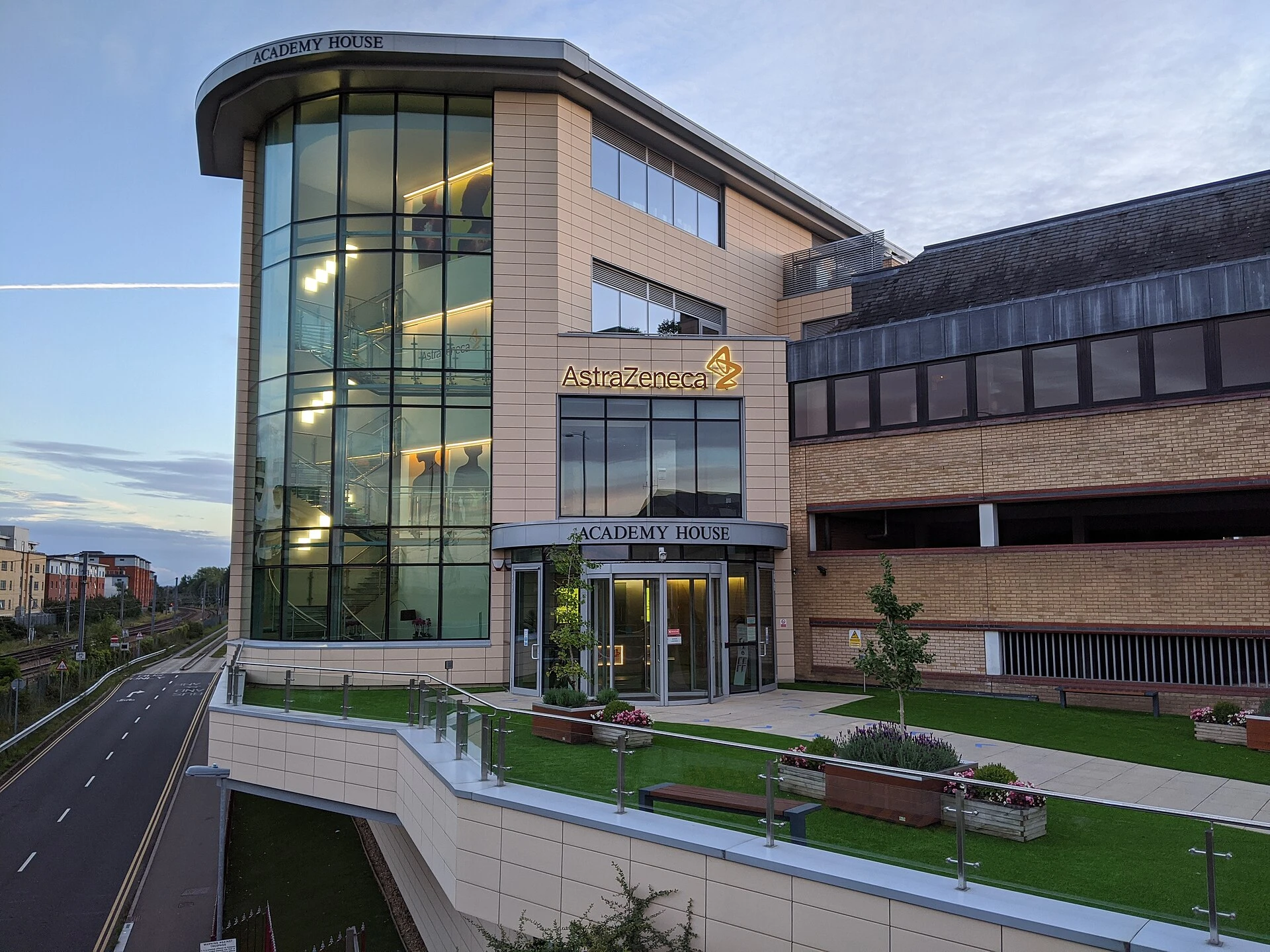
Markets quickly registered the stakes. AstraZeneca shares fell about 7% after the reported talks became public, a sign that investors were already repricing the stock around the possibility of a deal that could reshape the competitive map for cancer and specialty medicines. Even without a signed agreement, the talks pointed to the same structural pressures that have driven drugmakers toward larger combinations for years: patent loss, costly research and the push to concentrate more pricing power in fewer hands.
Sources
- [1]reuters.com
- [2]cnbc.com
- [3]news.bms.com
- [4]astrazeneca.com
- [5]bms.com