Science
Astronomers detect raspberry sugar in space, hinting at life’s origins
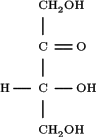
Astronomers have identified erythrulose, a chiral four-carbon sugar with the formula C4H8O4, in a dense cloud near the center of the Milky Way, giving scientists the first direct detection of a sugar in the interstellar medium. The result matters because it places a biologically relevant organic molecule in the same cold gas and dust where stars and planets take shape, and it gives researchers a new way to trace how prebiotic chemistry can survive and evolve before worlds are formed.
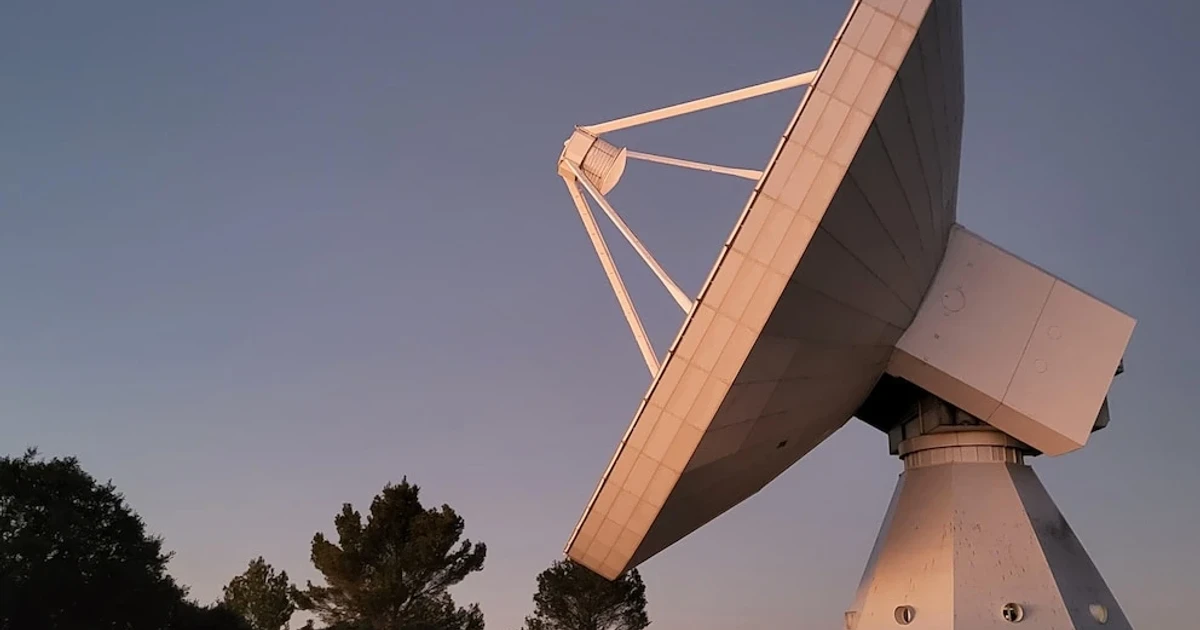
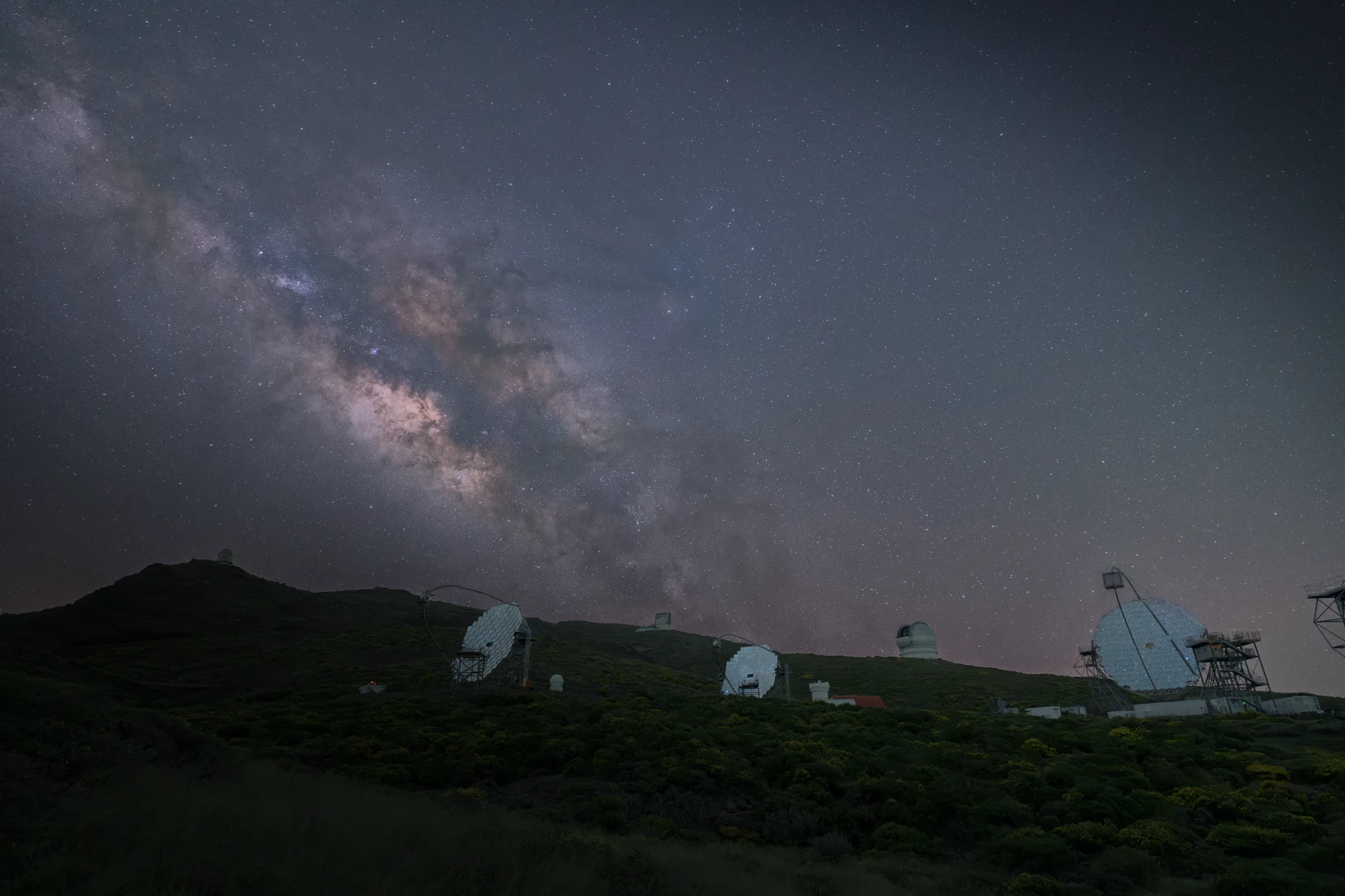
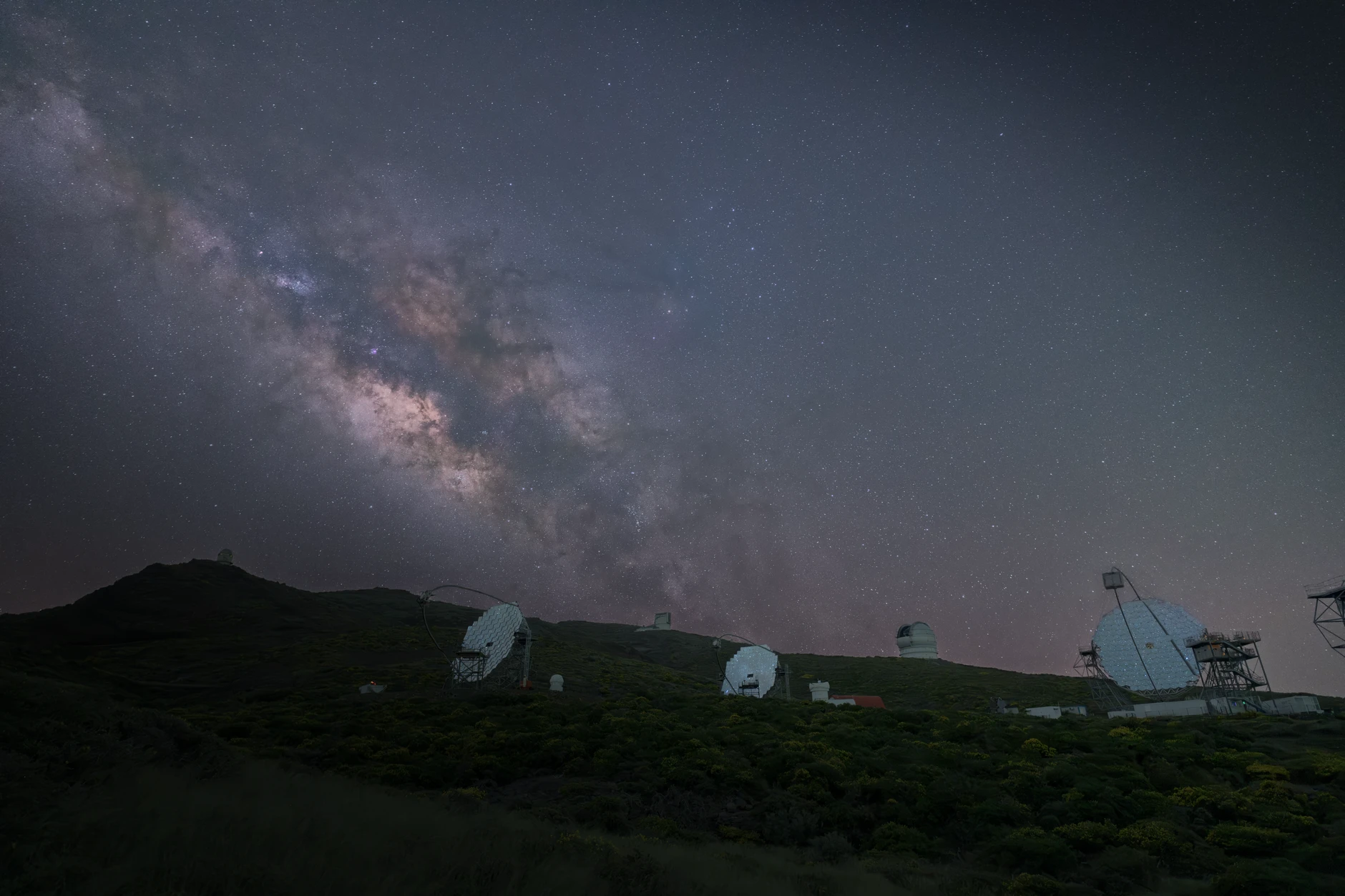
The detection was reported in Nature Astronomy by an international team led by Izaskun Jiménez-Serra of the Centro de Astrobiología in Spain. Using the 40-meter Yebes telescope and the 30-meter IRAM telescope, the team matched 12 spectral lines from the cloud G+0.6930.027 to laboratory spectra measured at the University of the Basque Country. That cloud, close to the Galactic Center, has already stood out in astrochemistry as a rich reservoir of complex molecules.
The study says erythrulose is at least eight times more abundant than similar three-carbon sugars, and no three-carbon sugars were detected in the same region. That pattern surprised researchers because it suggests interstellar chemistry may not always build complex organics by adding one carbon at a time. Instead, quantum-chemical and astrochemical models point to efficient formation on interstellar dust grains from simpler two-carbon aldehydes and alcohols.
That pathway matters for origins-of-life research because it gives a plausible route for carrying carbon-rich material through the harsh environments between stars. Sugars such as ribose and glucose had already been found in meteorite and asteroid samples, but not directly in interstellar space. The new detection pushes the record deeper into the gas and dust itself, where the chemical inventory available to forming planetary systems begins.
The team also estimated that, based on the measured abundance of erythrulose in G+0.6930.027, between 0.5 million and 50 million metric tons could have reached Earth during the Late Heavy Bombardment, roughly 4.1 billion to 3.8 billion years ago. That estimate is not a measurement of what actually landed, but it links interstellar chemistry to the era when Earth was repeatedly struck by debris and may have received fresh organic material. Brett McGuire of the Massachusetts Institute of Technology said the preprint was significant enough that he mentioned it in a talk the same day he saw it, a sign of how quickly the result has entered the field’s conversation.
NASA’s Voyager 1 and Voyager 2, the only spacecraft to cross the heliosphere, provide a useful landmark for the region’s scale: the cloud sits in a part of the Galaxy now being examined with enough precision that telescope signals can be tested against laboratory data on Earth. That is the real significance of the finding, and it leaves researchers with a sharper question about how common life’s chemical precursors may be before planets even exist.
Sources
- [1]abcnews.com
- [2]eurekalert.org
- [3]nature.com
- [4]phys.org
- [5]science.nasa.gov