Science
Astronomers find no radio signals from K2-18b in search for life

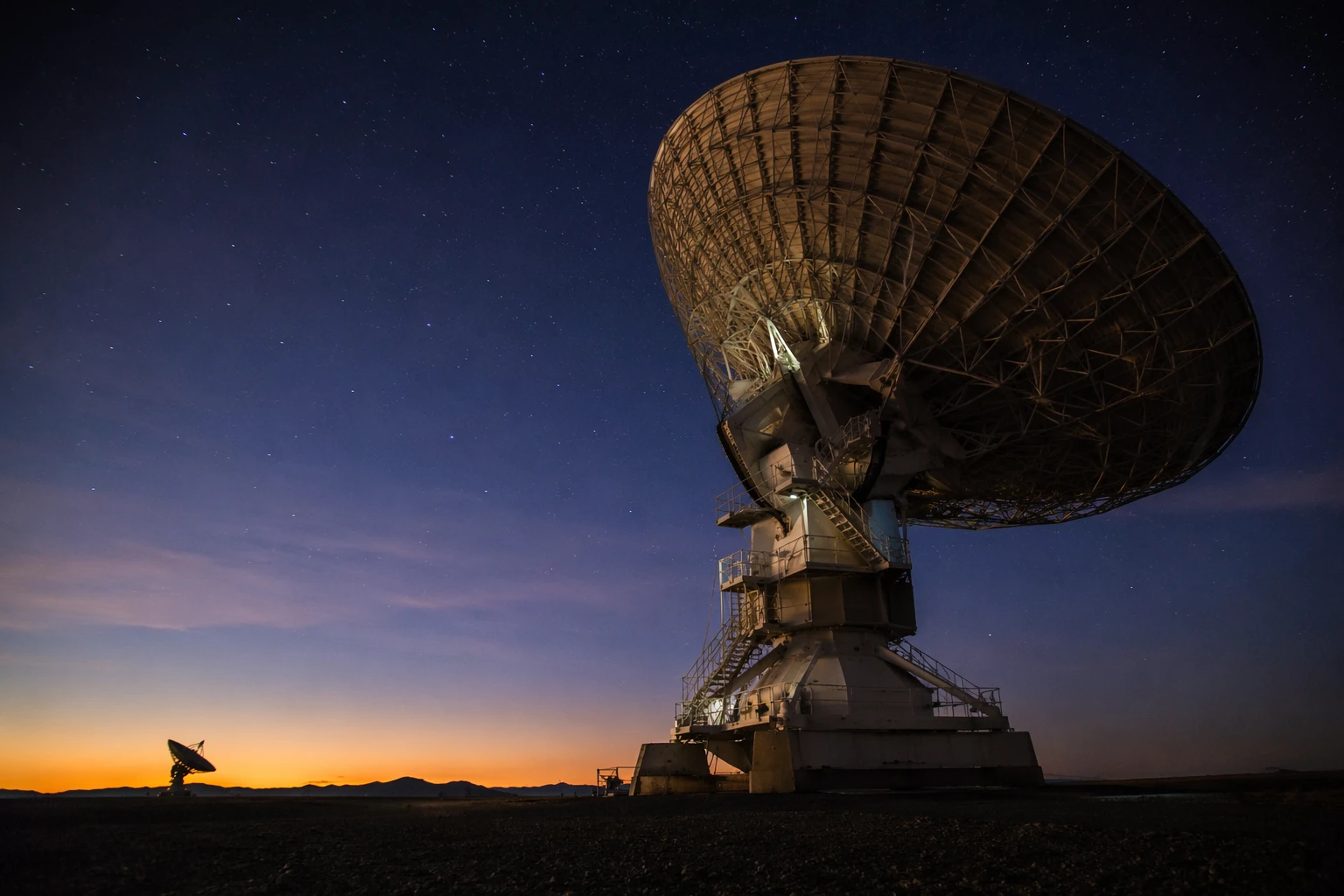
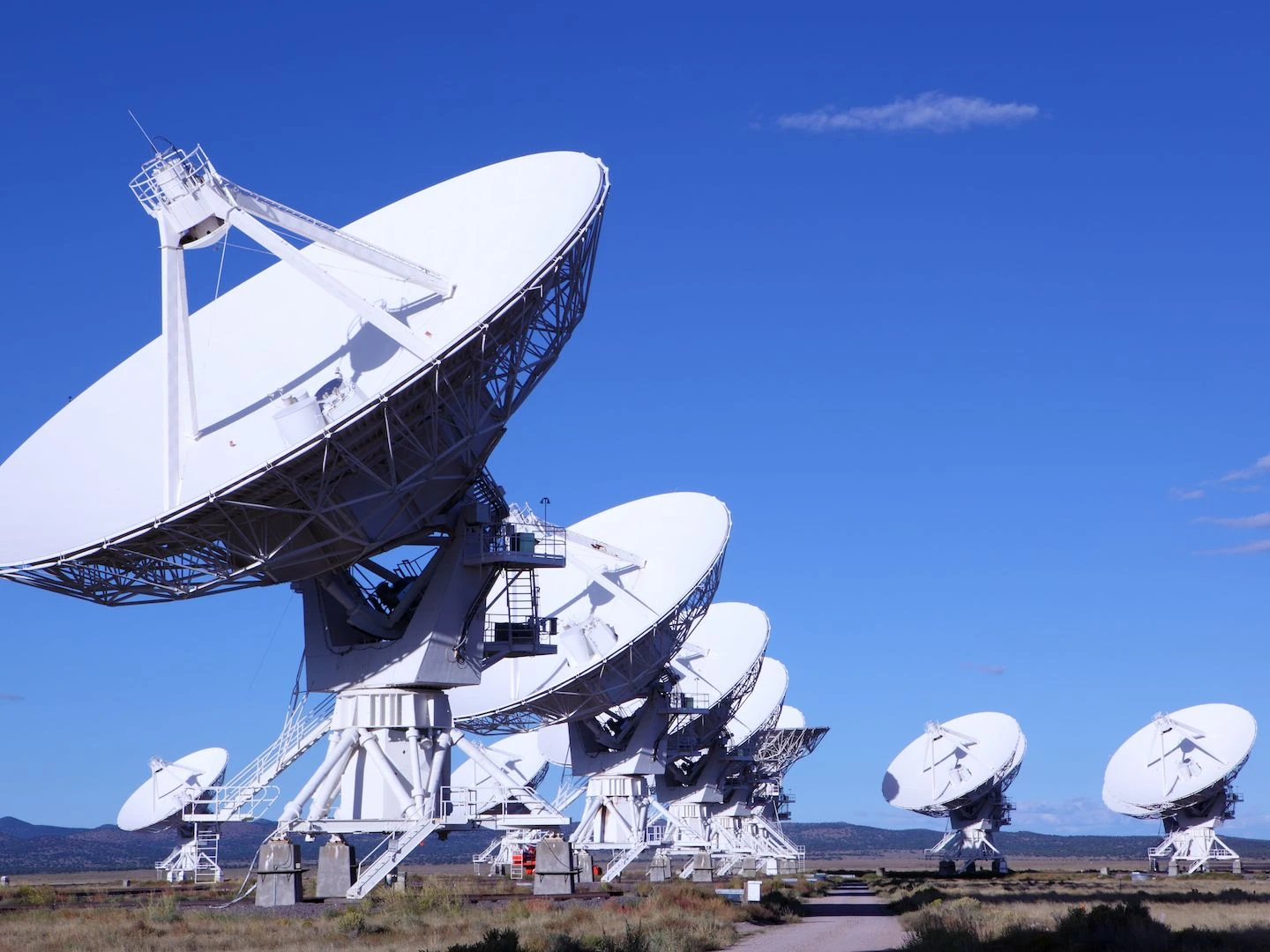
Astronomers using the Karl G. Jansky Very Large Array in New Mexico and MeerKAT in South Africa found no narrowband radio signal from K2-18b, the closely watched exoplanet 120 light-years from Earth in Leo. The result does not close the book on the planet’s habitability claims, but it does narrow one line of inquiry by showing that no obvious technology-linked transmission was detected from the system.
The search looked far beyond a single frequency. C. D. Tremblay and colleagues examined signals from 544 MHz to 9.8 GHz, across multiple observing epochs that covered at least one full orbital period of the planet. After processing millions of signals, the team found nothing consistent with either an astrophysical source or an artificial narrowband emitter. The paper puts the limits for persistent, isotropic narrowband transmitters in the K2-18 system at roughly 10^12 to 10^13 watts.
K2-18b has been under intense scrutiny since NASA first announced it in 2015. NASA lists the planet as 2.37 times Earth’s radius, about 8.6 times Earth’s mass, and on a 32.9-day orbit around a cool M-type star in the habitable zone. Its unusual profile has kept it near the center of exoplanet debates because it may be a Hycean world, a planet with a hydrogen-rich atmosphere and the potential for surface oceans.
That broader controversy is what makes the radio null result useful. In 2023, NASA said James Webb Space Telescope observations found methane and carbon dioxide in K2-18b’s atmosphere, and the University of Cambridge said the same data also hinted at a weaker possible dimethyl sulfide signal, though it stressed that the finding needed validation. A 2024 modeling paper on arXiv argued that the JWST data could instead fit a gas-rich mini-Neptune with no habitable surface. The radio search adds another constraint to that unsettled picture.

The new paper says the null result is still scientifically valuable because it sets the first interferometric technosignature limits for a Hycean-planet candidate. It also gives researchers a sharper framework for future searches around nearby potentially habitable worlds. A 2025 Very Large Array study of the same system had already reported no radio emission, and the latest work extends that effort with deeper coverage and two major radio arrays. K2-18b remains important not because it has produced a dramatic signal, but because it has become a benchmark for how scientists test competing claims about life-friendly planets with increasingly precise tools.