Science
Astronomers say ancient interstellar comet 3I/ATLAS predates solar system
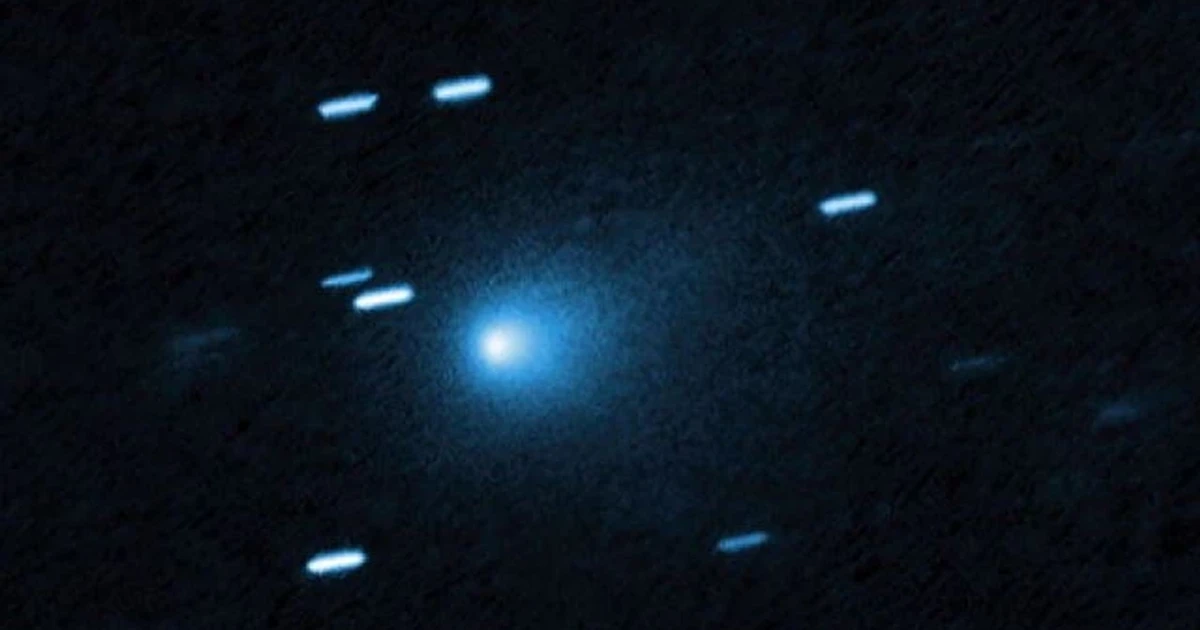
The interstellar comet 3I/ATLAS may be far more than a passing curiosity: astronomers now think it formed 10 billion to 12 billion years ago, in a cold planetary system that existed long before the Sun and Earth. That would make it the oldest-known object to move through our solar system, offering a fragment of chemistry from a vanished world and a rare chance to compare another planetary system with our own.
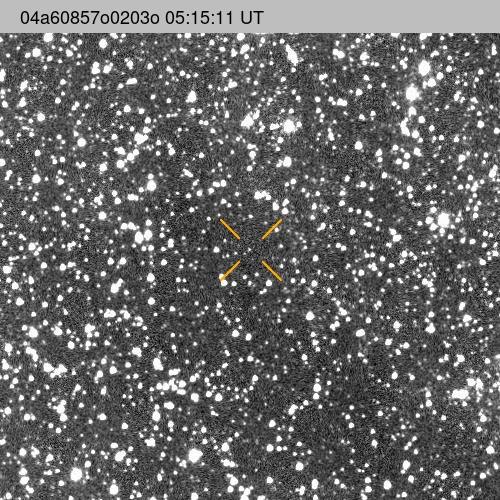
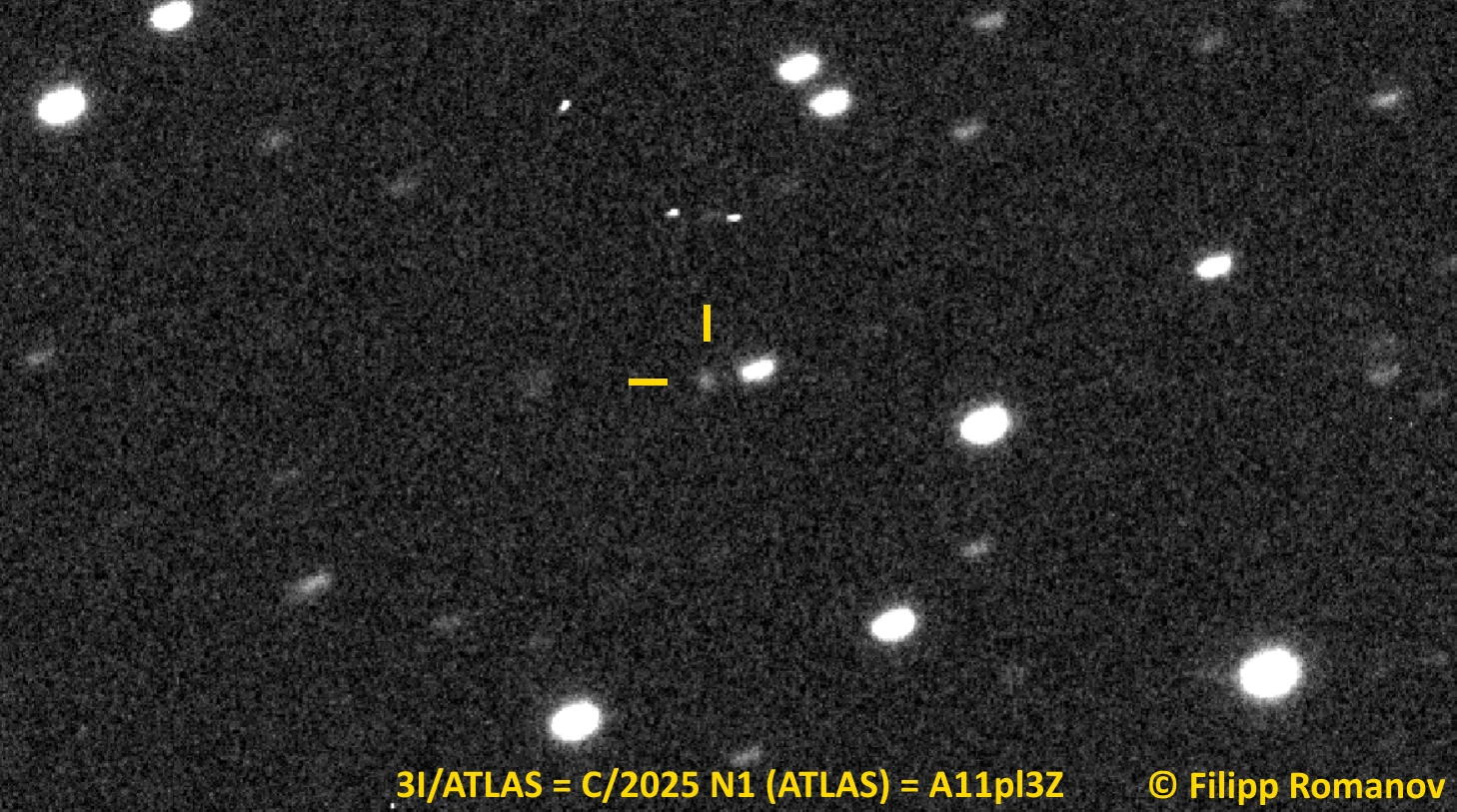
The case rests on a mix of telescope data and isotope measurements. The comet was first reported to the Minor Planet Center on July 1, 2025 by the NASA-funded ATLAS survey telescope in Río Hurtado, Chile, and its hyperbolic trajectory immediately marked it as interstellar. NASA and the European Space Agency say it is only the third confirmed object from beyond our solar system, after 1I/Oumuamua in 2017 and 2I/Borisov in 2019. NASA also catalogs it as C/2025 N1.
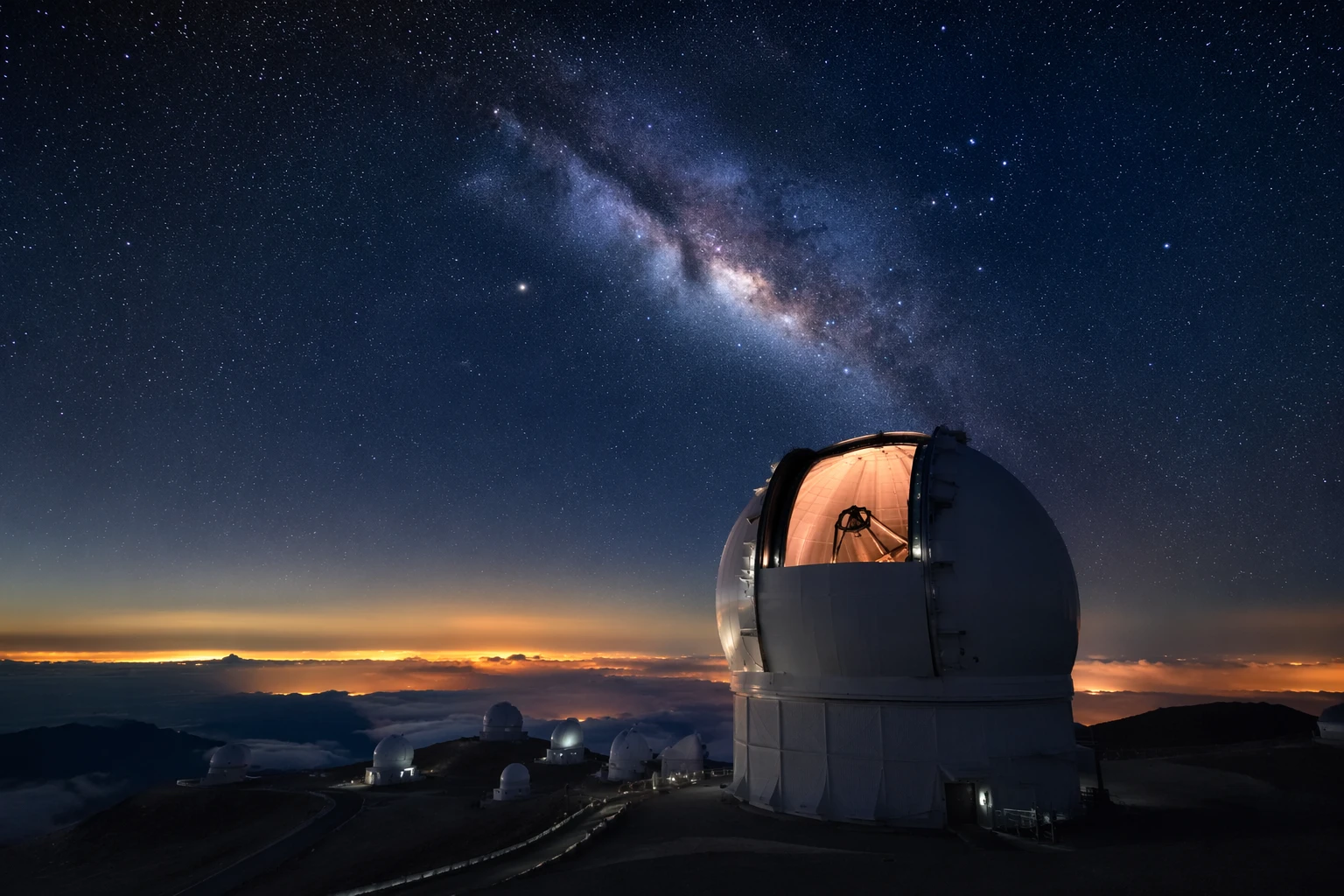
Researchers publishing in Nature on June 22, 2026 used the James Webb Space Telescope’s NIRSpec instrument to map the comet’s chemical contents as it moved away from the Sun. The team measured hydrogen and carbon isotope ratios that point to a birthplace around minus 405 degrees Fahrenheit, far colder than the environment in which the solar system formed about 4.5 billion years ago. In a separate Nature study, the water in 3I/ATLAS showed a deuterium-to-hydrogen ratio of about 0.98 percent, more than an order of magnitude higher than in known comets, while carbon-12 to carbon-13 ratios ranged from 141 to 191.
Those numbers matter because they make 3I/ATLAS look unlike familiar local comets. Its water contains about 30 times more deuterium than other comets in the solar system, and its carbon signature differs not only from nearby solar-system bodies but also from interstellar clouds and planet-forming disks. Martin Cordiner, the NASA Goddard planetary scientist leading the study, said the object is probably the oldest-known visitor to the solar system and that scientists have never seen anything like it. The finding suggests astronomers may be looking at a kind of cosmic fossil, a shard expelled long ago from another star system.
Hubble added a visual clue on July 21, 2025, photographing the comet when it was 277 million miles from Earth. The image showed a teardrop-shaped cocoon of dust around a solid icy nucleus, underscoring how faint and remote the object remained even as researchers probed its chemistry. Follow-up observations from ATLAS telescopes worldwide, Caltech’s Zwicky Transient Facility and additional Webb passes should help sharpen the orbit, test the isotope results and determine whether the ancient-age estimate holds as 3I/ATLAS continues its one-way exit from the solar system.
Sources
- [1]usnews.com
- [2]science.nasa.gov
- [3]nature.com
- [4]esa.int
- [5]iau.org