Science
Astronomers spot hidden planet orbiting Beta Pictoris after 11 years
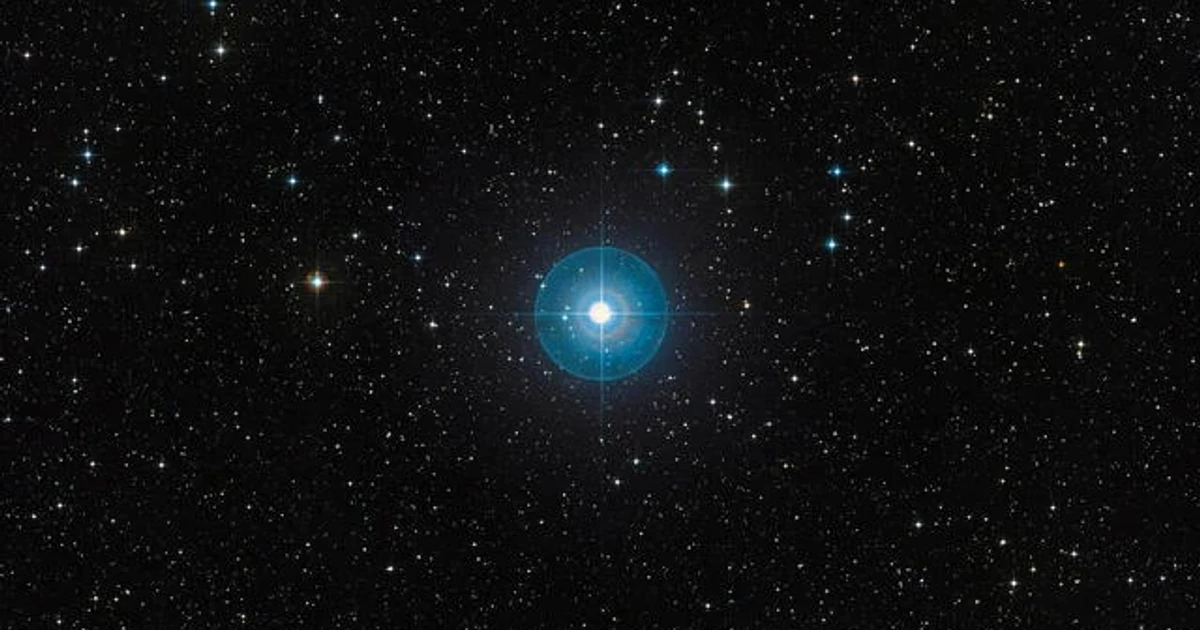
Astronomers have finally separated a faint planet from the glare of Beta Pictoris, ending an 11-year chase around one of the sky’s most studied young stars. The new world, Beta Pictoris d, was picked out independently by two research teams using the European Southern Observatory’s Very Large Telescope in Chile and NASA’s James Webb Space Telescope.
The planet is a cold gas giant about 2.4 times the mass of Jupiter, roughly 100 times fainter than Beta Pictoris b, and takes about 91 years to complete one orbit. It sits about 63 light-years away in the southern constellation Pictor, in a system that has long been a proving ground for planet-formation studies.
What makes the find stand out is not just that Beta Pictoris d exists, but that astronomers could actually see it. Fewer than 100 of the more than 6,000 confirmed exoplanets have been directly imaged, because bright stars overwhelm the dim light from nearby planets. Beta Pictoris made that problem worse: its host star is young, active and surrounded by a bright debris disk, while the system already held two known imaged planets that added to the visual clutter.
Webb detected the planet by identifying the chemical fingerprint of its atmosphere. The ground-based team later tracked it down in archival observations stretching back more than a decade, confirming that the object had been hiding in plain sight. The discovery also means Beta Pictoris is now only the second known planetary system with at least three directly imaged planets.
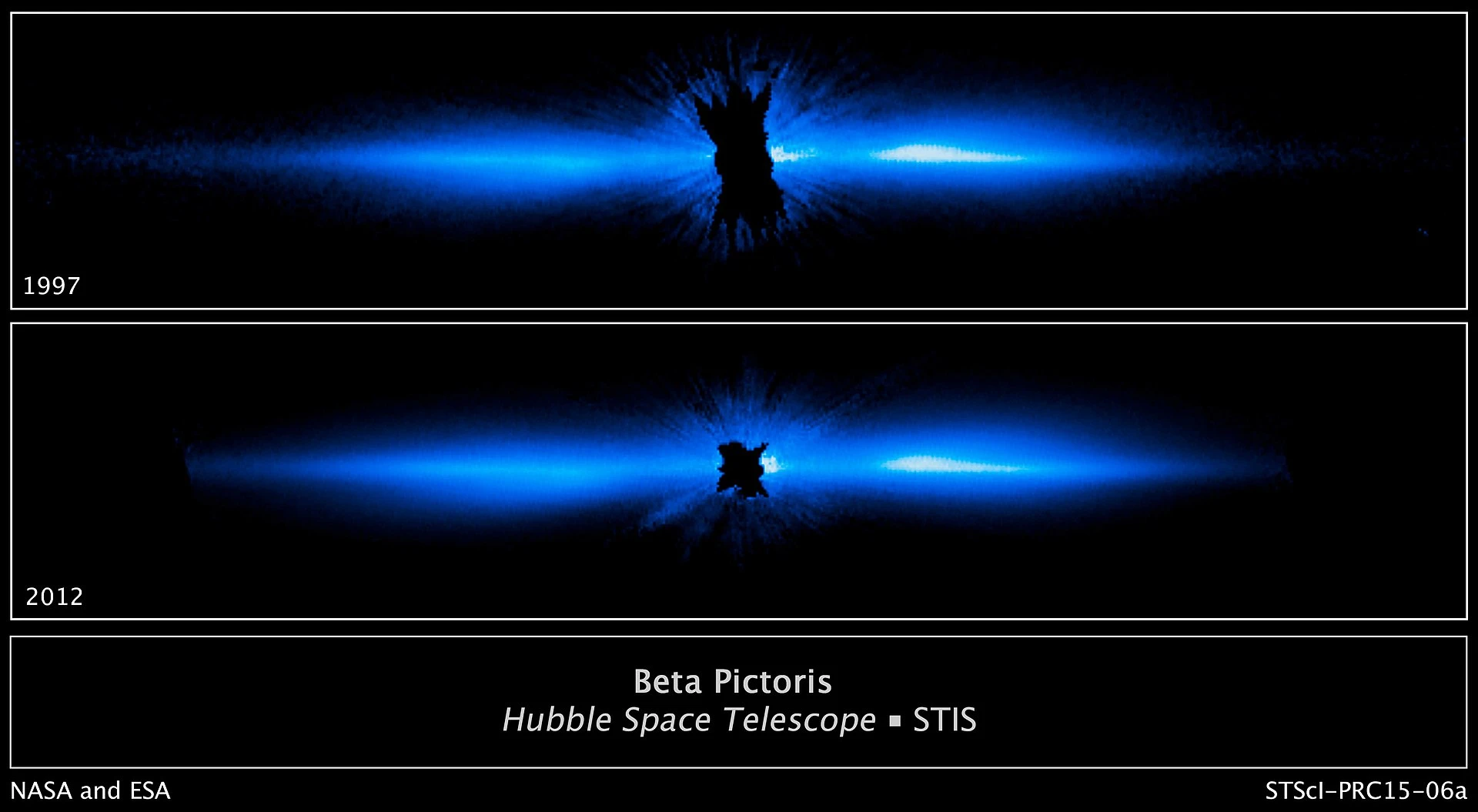
Beta Pictoris has drawn attention since its debris disk was first identified in 1983. NASA says observations since then have revealed exocomets, intricate dust structure, giant exoplanets and signs of a planetary system still under construction. That youth matters: at about 20 million years old, the system offers a rare look at a stage when smaller rocky planets may still be forming and the whole neighborhood is still being reshaped by asteroids and comets.
For astronomers, Beta Pictoris d is more than another catalog entry. It is a test of how far current instruments can push past starlight, and a reminder that planetary systems are being discovered not only by inference, but increasingly by sight.
Sources
- [1]usnews.com
- [2]eso.org
- [3]science.nasa.gov
- [4]stsci.edu
- [5]mpia.de
- [6]arxiv.org