Science
Astronomers uncover faint planet orbiting young star after decade-long search

Astronomers using ESO’s Very Large Telescope and its ERIS instrument have separated a faint planet called Beta Pictoris d from the glare of the young star Beta Pictoris, giving the system a third known planet in ESO’s account. ESO says the world is 100 times fainter than Beta Pictoris b and is among the lightest exoplanets ever imaged from the ground.
The planet did not appear in a single dramatic moment. Two independent groups detected the cold gas giant a few days apart late last year with different telescopes, then investigators found its signal in archival observations that stretched back more than a decade. That long paper trail explains why Beta Pictoris d stayed hidden: a dim planet close to a bright star can be lost in scattered light and noise until the data are sharp enough, and the motion over time is clear enough, to separate a real world from the background.
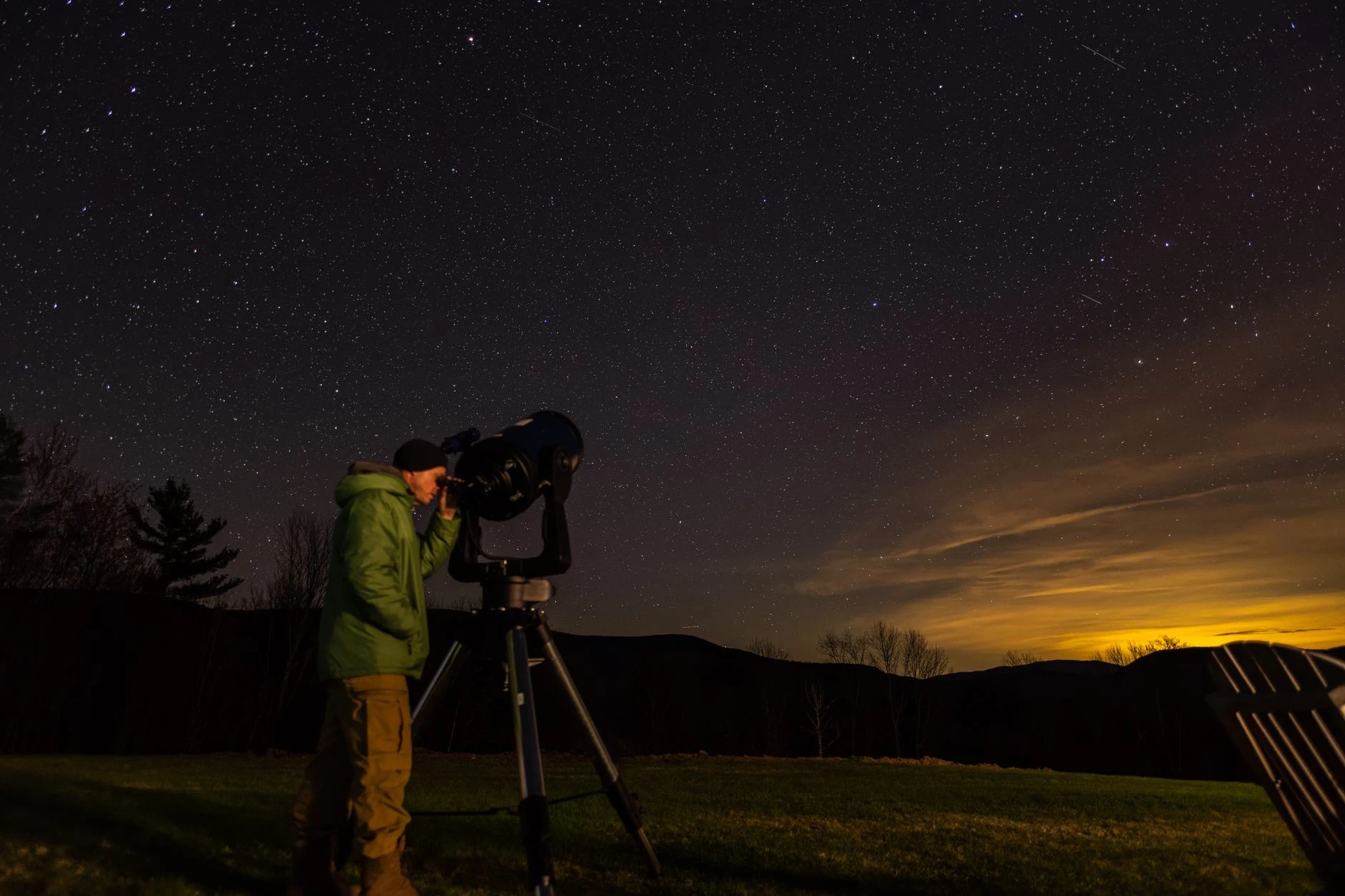
The Beta Pictoris system has been a target for years because young planets preserve clues from the gas and dust disks they formed from. ESO first highlighted the system in 2008 with a report on a possible planet very near the star, and later described Beta Pictoris b as a young massive exoplanet initially discovered in 2008 with the NACO instrument. Beta Pictoris d now adds another piece to that system, one that astronomers can use to test how giant planets form, how they move, and how planetary atmospheres develop early in a system’s life.
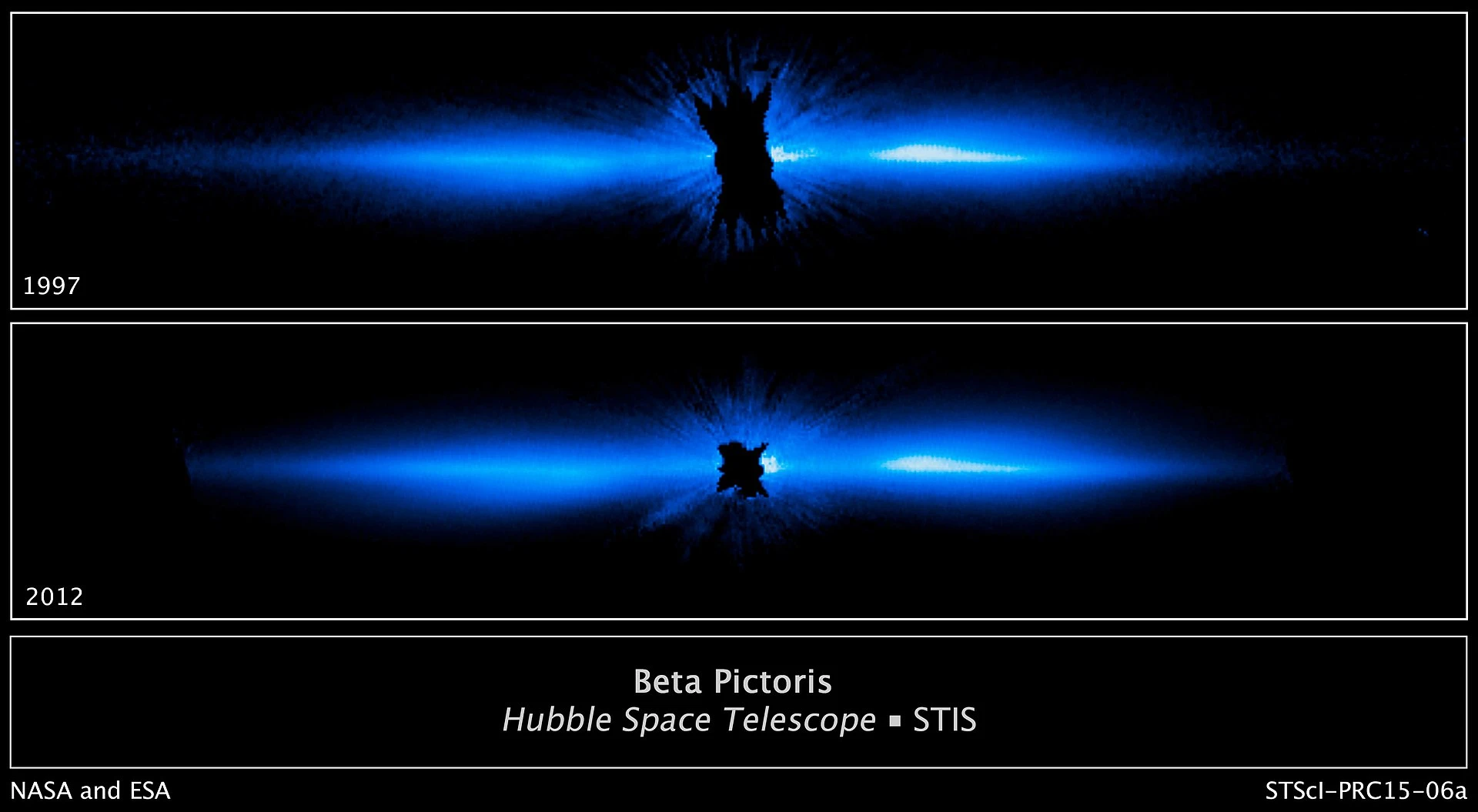
The discovery came from ground-based observations at Paranal Observatory in Chile, where the Very Large Telescope has become one of astronomy’s most important tools for direct imaging. ESO says the new finding is a significant contribution to understanding the formation and evolution of planetary systems, a field that still depends as much on patience and improved methods as on new hardware. In this case, the payoff came from finally pushing a faint world far enough away from its star’s glare to make it visible.
Sources
- [1]apnews.com
- [2]eso.org
- [3]oaoa.com