Science
Astronomers watch massive star’s full death sequence for first time
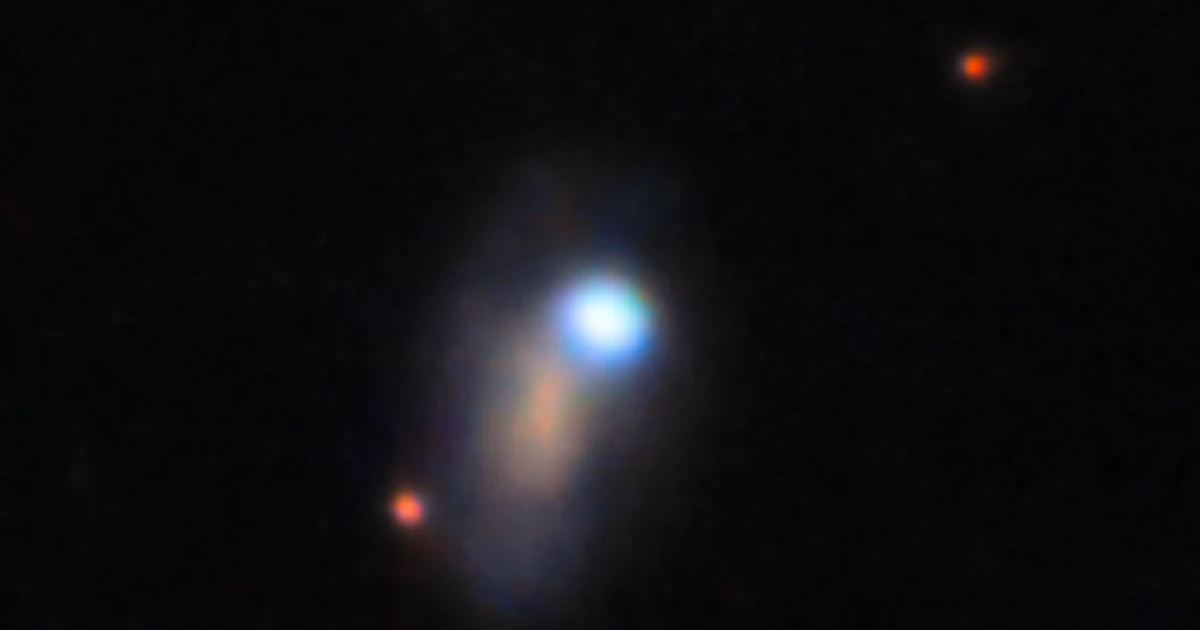
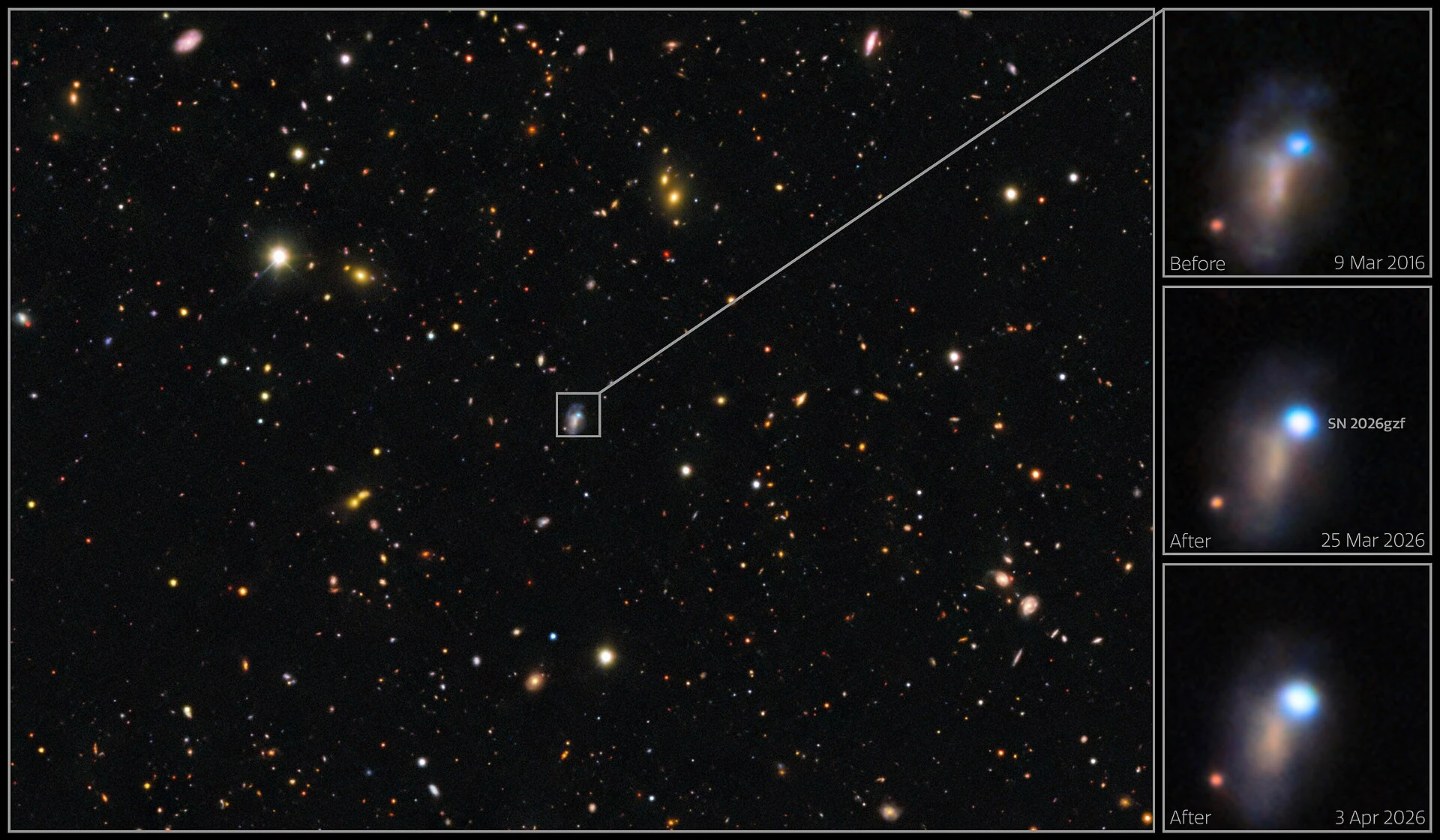
Astronomers tracked supernova SN 2026gzf as it brightened after the Einstein Probe first detected it on March 21, then watched the change again in images taken on March 25 and April 3. The explosion, about 500 million light-years from Earth, gave researchers an unusually complete view of a massive star’s final stages, from the first detectable flare to the expanding aftermath.
That matters because a full sequence lets scientists test long-held ideas about how gravity, nuclear fusion and stellar chemistry shape a star’s end. Massive stars make and disperse many of the heavy elements that later become part of planets and life, and the way they die helps determine whether the remnant becomes a neutron star, a black hole or debris scattered into space.
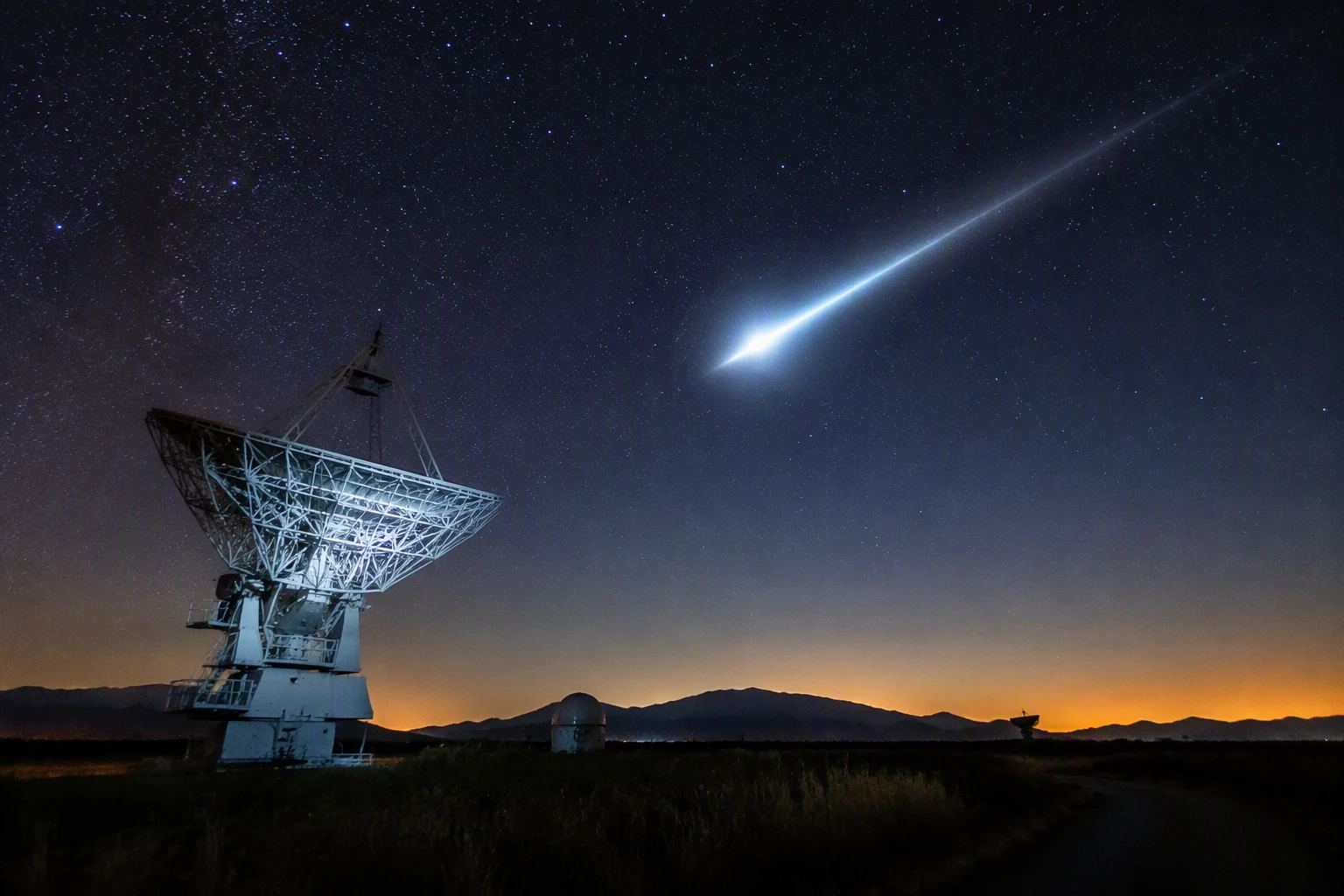
A Chandra press-room release on August 5 called the event a “Rare Stellar Explosion” and said it gave astronomers a front-row seat to a massive star’s death. A NOIRLab release dated the same day said astronomers caught the star’s death “from the first explosive moment,” underscoring how unusual it is to follow one of these events so early and so clearly.
The observations also suggested this was not a textbook supernova. One result tied to the event found that the burst of X-rays was extremely faint and that there were no high-velocity jets, a combination that points to a different path for some massive stars as they die. An archival image of the host galaxy of SN 2026gzf was used for comparison, helping scientists see how much the object changed in just days.
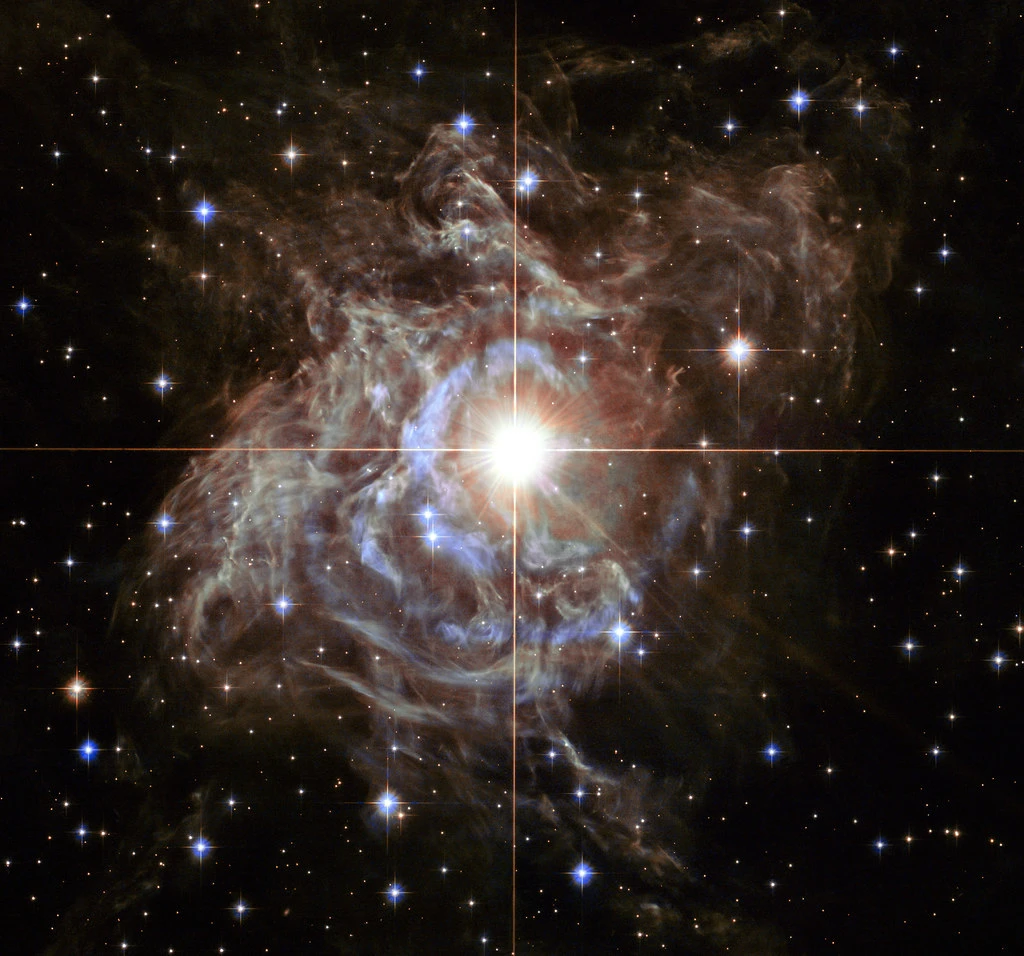
The new data arrive as astronomers have also documented a very different kind of stellar ending, including a separate observation earlier this year of a star that quietly transformed into a black hole. Together, the cases give researchers a sharper way to separate explosive deaths from quiet collapses, and to build better models of which massive stars end with a supernova and which disappear more silently into compact remnants.
For astronomers, SN 2026gzf is more than one more bright point in the sky. It is a benchmark for how fast a massive star can change, and a rare chance to measure the physics of stellar death while it is still unfolding.
Sources
- [1]reuters.com
- [2]internazionale.it
- [3]chandra.harvard.edu
- [4]noirlab.edu
- [5]phys.org
- [6]newswise.com