World
At least 13 dead as flooding hits Accra after torrential rain
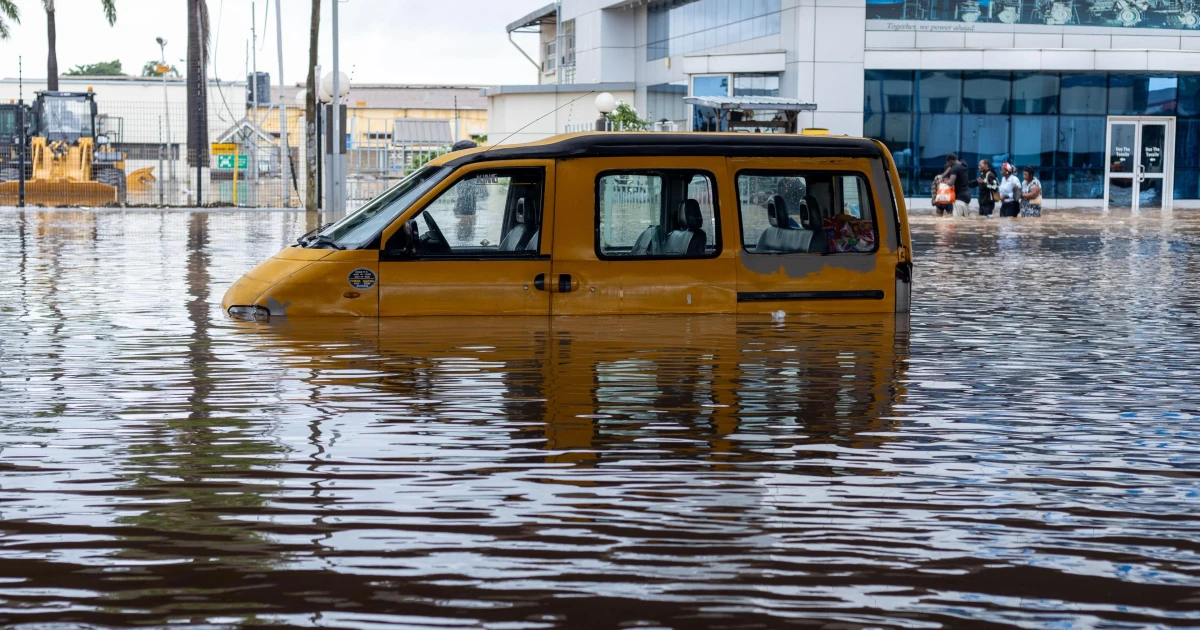
Floodwater surged through Accra’s low-lying neighborhoods after torrential rain killed at least 13 people and forced emergency crews to rescue more than 470 others. With more rain forecast for southern Ghana, officials told residents to stay indoors or move to higher ground as crews worked across the capital to clear roads, protect homes and keep the death toll from rising.
The Ghana National Fire Service pulled hundreds of people from danger as water entered houses and shops, while the Interior Ministry deployed police, fire service, military personnel and the National Disaster Management Organisation to monitor the situation and safeguard lives and property. A major fire also broke out at a rubber factory in Accra during the flooding, adding to the strain on responders already moving through submerged streets and waterlogged neighborhoods.
President John Dramani Mahama said preliminary data showed about 140 mm of rain had fallen on Accra, a total he compared with the roughly 56 mm he said was the highest single-day rainfall recorded last year. The Ghana Meteorological Agency forecast rain to continue across parts of southern Ghana, including Accra, from Tuesday morning into the afternoon, and Dr Ignatius Kweku Williams, the agency’s deputy director-general for operations, said there was a high probability of continued rainfall and another likely spell early Tuesday morning. Residents were urged to check official updates on GMet’s social media accounts.
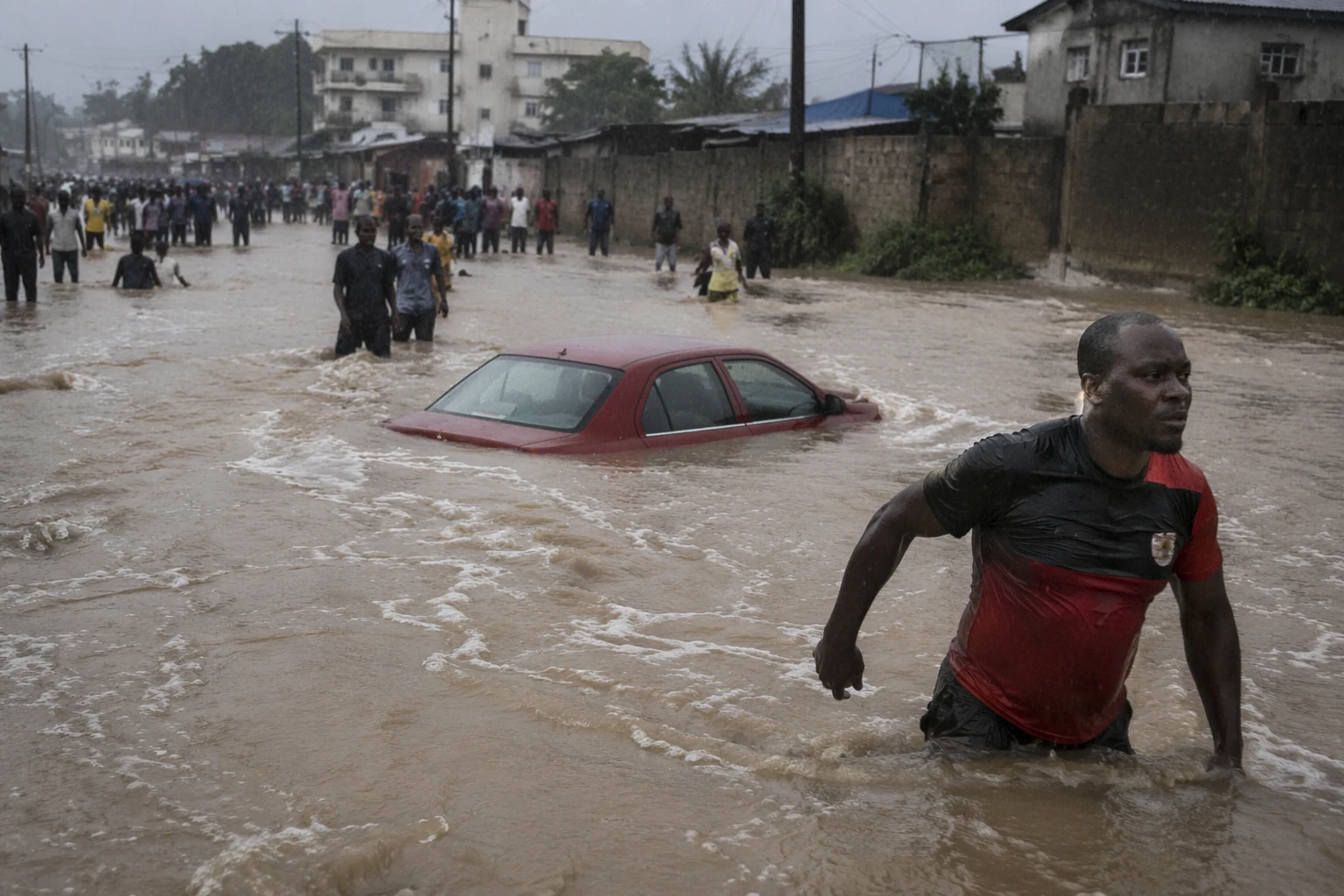
Kaneshie, Adabraka, Circle, Weija, Adentan, East Legon, Achimota, Spintex and the area around the Kwame Nkrumah Interchange were among the worst hit, with major roads submerged and traffic thrown into severe disruption. Videos on social media showed cars and homes underwater as people in flood-prone communities tried to salvage belongings. Officials warned residents not to cross flooded roads on foot or by vehicle and to avoid sheltering under trees or standing near loose electrical wires.
A United Nations Development Programme analysis found the damage in Accra is driven not by rainfall alone, but by decades of poor land-use planning, weak enforcement, blocked or inadequate drainage, and building in wetlands and waterways. The analysis found that days of heavy rain in early June had already submerged large parts of the capital, damaged homes and businesses, and displaced families, while the Ghana Meteorological Agency’s June rainfall outlook, issued on May 22, warned the Coastal Zone could face predominantly normal to above-normal rainfall and advised disaster agencies to strengthen preparedness for localized flooding.
Sources
- [1]bbc.co.uk
- [2]yahoo.com
- [3]citinewsroom.com
- [4]meteo.gov.gh
- [5]undp.org
- [6]msn.com