Business
Atari posts highest revenue in over a decade, returns to profit

Atari said revenue climbed to about €56 million in the fiscal year ended March 31, 2026, and the company returned to profit. The Luxembourg-based game brand said sales rose 66% from a year earlier and marked its third straight year of top-line growth, putting annual revenue at its highest level in more than a decade.
The results point to a business that has stopped chasing the mass-market scale that once defined Atari and is instead monetizing what remains valuable about the brand. Management has leaned on revived franchises, catalog titles, retro reissues and licensing tied to Atari’s old intellectual property, a lower-risk mix than the blockbuster economics that dominate much of the modern games industry. Wade Rosen, Atari’s chief executive, discussed the company’s place in retro gaming in a September 9, 2025 interview, saying the firm had found its niche while also acknowledging how difficult it can be to make retro games work in 2025.

The improvement is notable because Atari’s name still carries the baggage of the 1980s video game crash and years of corporate upheaval, including bankruptcy. Yet the company’s recent numbers show momentum rather than a one-time bounce. In fiscal 2025, Atari reported revenue of €33.6 million, up 63% year over year, and said that result was the highest annual revenue in more than a decade as well. It also said at the time that it was trending toward operational profitability, making the move into profit in fiscal 2026 look more like an extension of an ongoing turnaround than a sudden break.
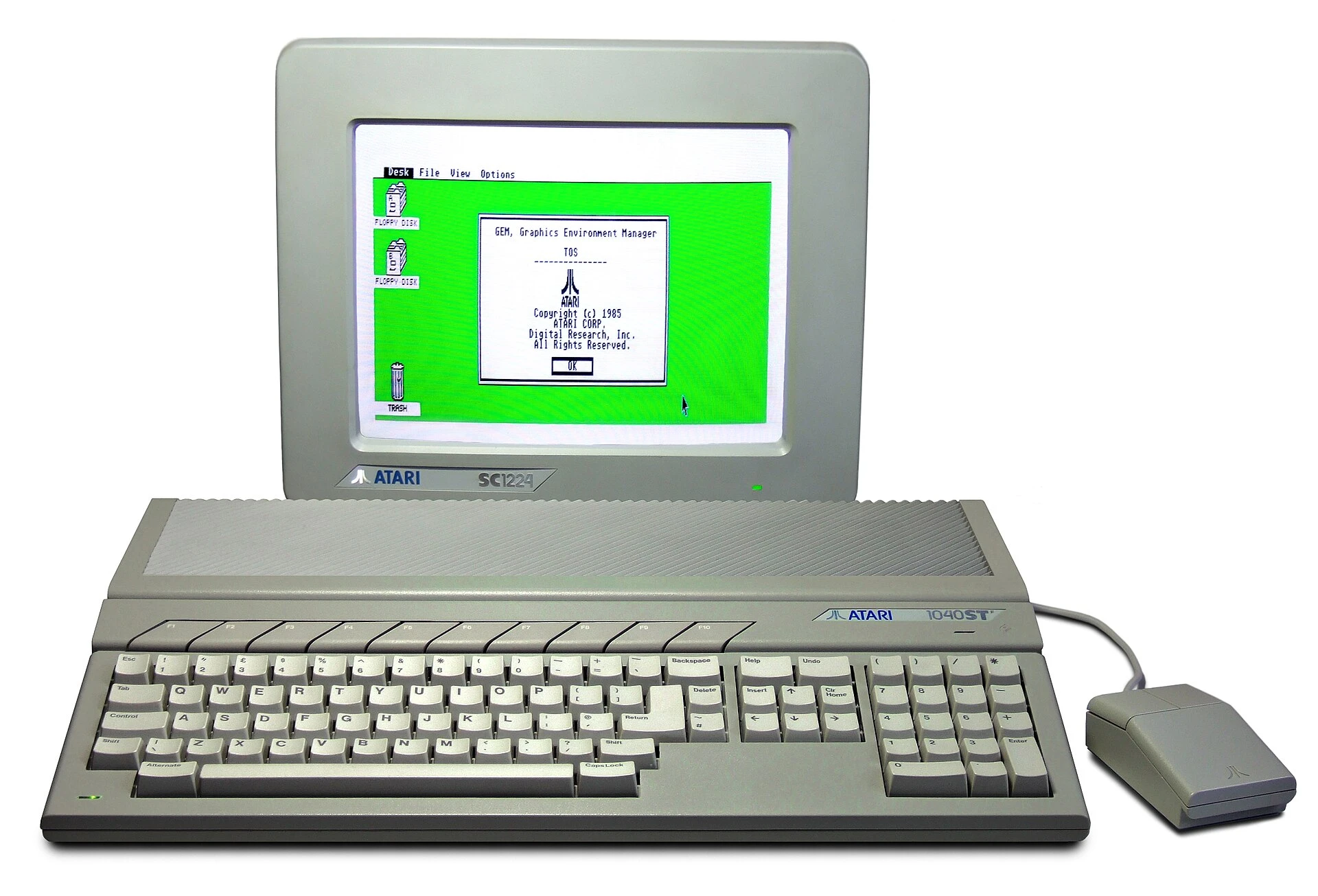
Atari’s latest figures also underline how a fragmented gaming market can still support legacy brands if they avoid expensive bets. Giant online franchises, subscription services, mobile ecosystems and indie publishers all compete for attention, but Atari has found room by leaning into recognition, nostalgia and disciplined niche execution. The company’s shares trade on Euronext Growth Paris under the ticker ALATA, and its recent performance suggests that the value of iconic consumer brands can still be unlocked when management treats old intellectual property as an asset to be actively monetized rather than a memory to be protected.