Health
Attacks in Congo hamper Ebola response as outbreak containment falters
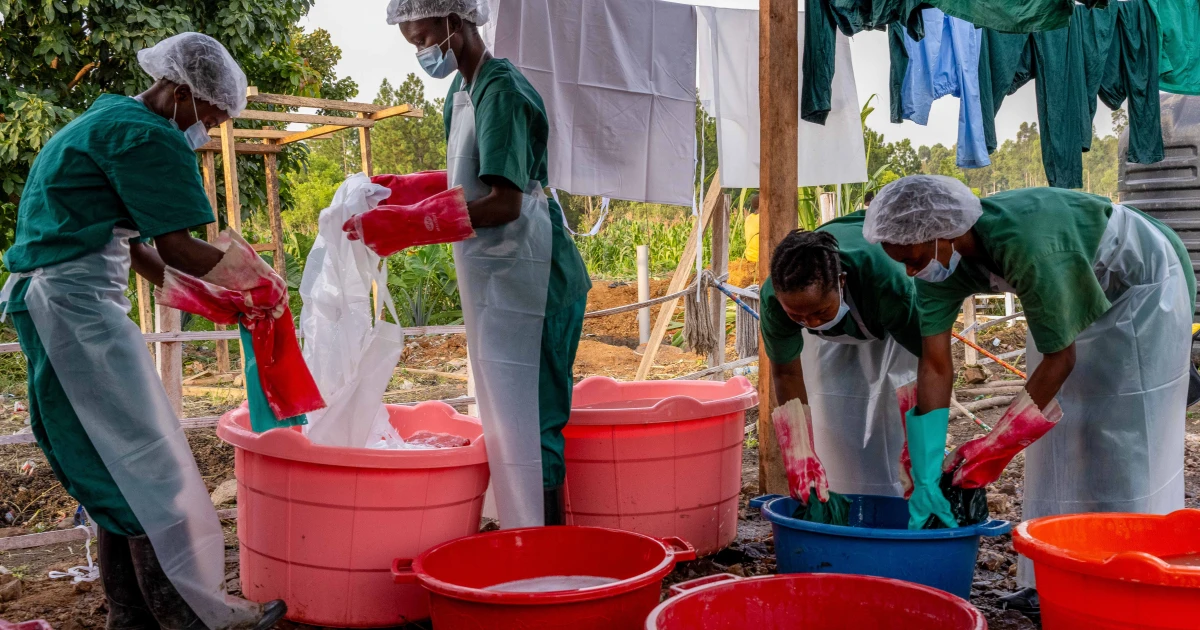
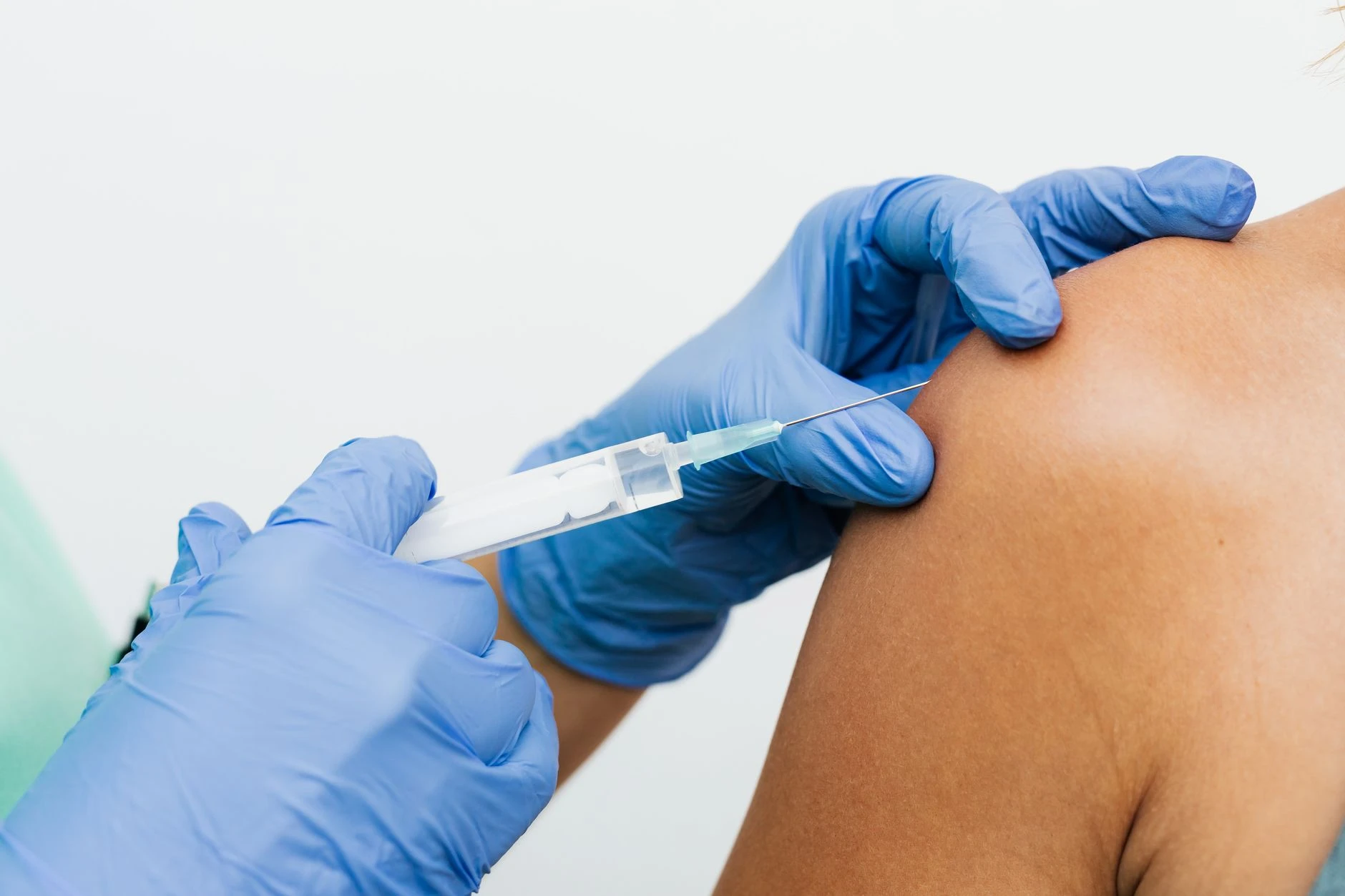
More than a dozen attacks on health facilities and health workers have hit Ebola response teams in Congo’s Kasai Province, slowing the contact tracing, vaccination and isolation work needed to contain the outbreak. The violence has made it harder for staff to reach affected villages, move suspected patients and persuade families to cooperate.
The outbreak was declared on 4 September 2025 after samples tested on 3 September at the National Institute of Biomedical Research in Kinshasa confirmed Ebola Zaire. The World Health Organization said the disease was spreading in Bulape and Mweka health zones, where public-health teams were already under pressure. By 16 September, WHO said 48 confirmed and probable cases had been recorded, with 29 deaths and 943 contacts traced.
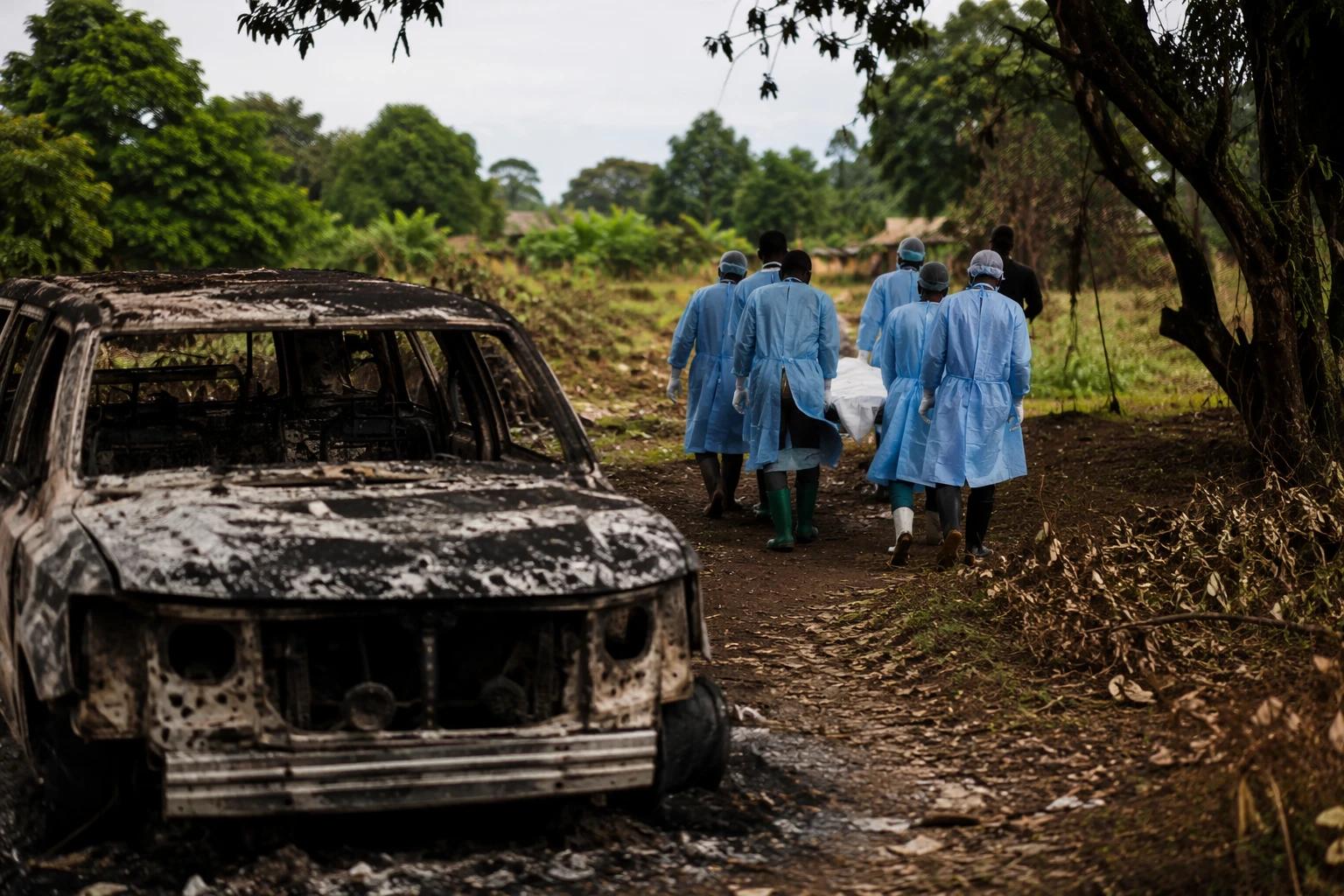
The toll was climbing fast. WHO’s 21 September situation report and a Johns Hopkins Center for Health Security factsheet both counted 57 confirmed or probable cases and 35 deaths by 26 September, and Johns Hopkins put the case fatality rate at 61 percent. ReliefWeb said the outbreak had already been declared when authorities reported 28 suspected cases and 15 deaths, including four health workers, underscoring how quickly the virus had reached the very people trying to stop it.
The security breakdown has become central to the response. Ebola teams depend on rapid movement into affected areas to interview families, trace contacts, vaccinate people at risk and transport the sick to treatment centers. When those teams are attacked or threatened, the chain of containment slows, and every delay gives the virus more time to spread through close contact. Fear also hardens mistrust in communities that may already be wary of outsiders, especially when health workers arrive with armed escorts or under heavy security.
Humanitarian agencies have warned that the outbreak’s footprint is wider than the health zones where it began. The International Federation of Red Cross and Red Crescent Societies said 680,000 people were at immediate risk and more than 2 million were at extended risk. Africa CDC has called it the Democratic Republic of the Congo’s sixteenth Ebola outbreak, a reminder that the country keeps confronting the same collision of disease, insecurity and fragile state capacity.
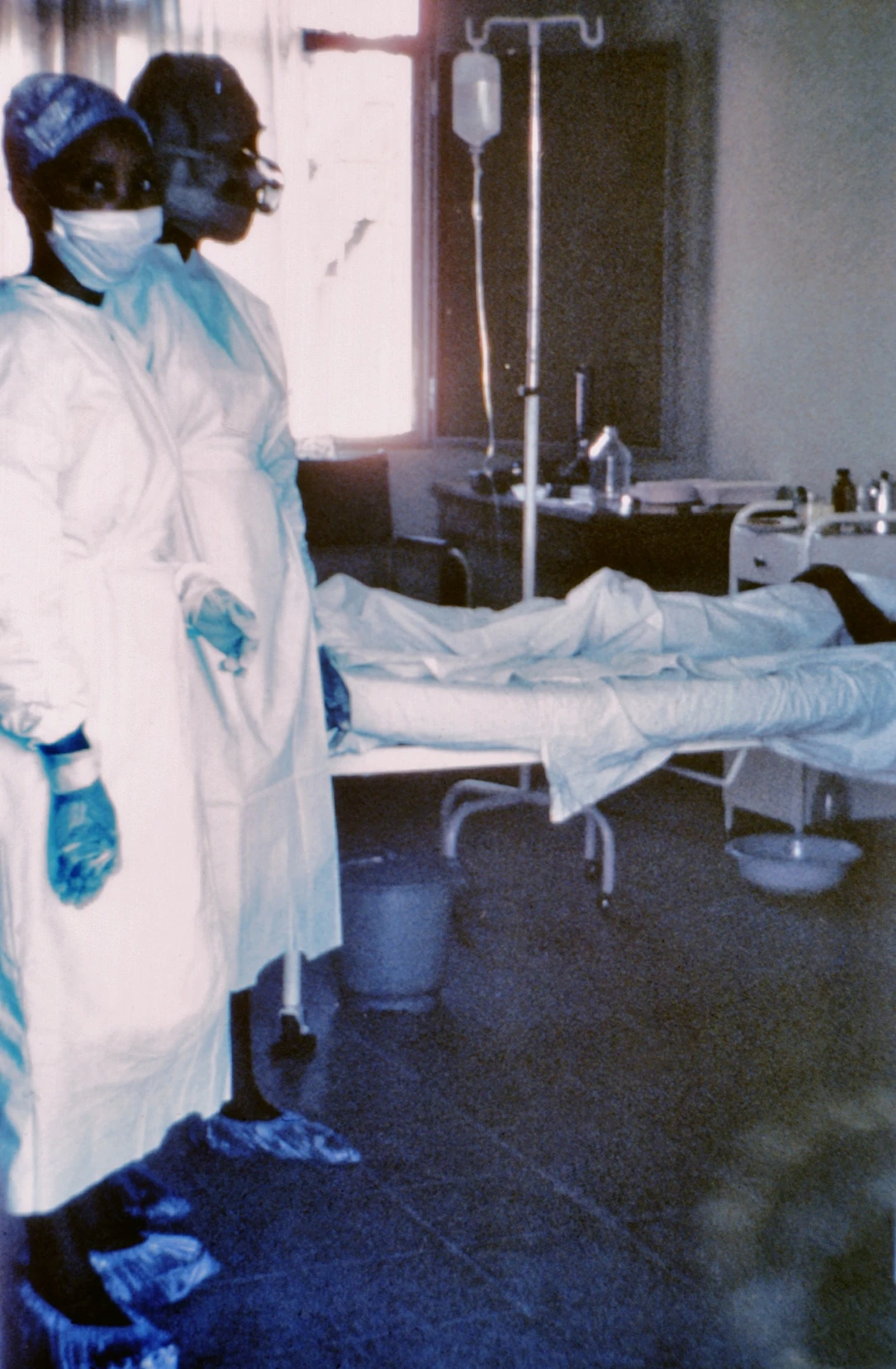
The pattern is familiar in Congo, but the consequences are immediate: without secure access for health workers, every part of the response weakens at once. Treatment is delayed, contacts go untraced, unsafe burials become harder to prevent, and the chance of exporting the virus beyond Kasai rises with each missed day.
Sources
- [1]apnews.com
- [2]afro.who.int
- [3]cdn.who.int
- [4]reliefweb.int
- [5]publichealth.jhu.edu
- [6]cidrap.umn.edu
- [7]ifrc.org
- [8]facebook.com