US News
Attacks Threaten U.S.-Iran Ceasefire in Gulf Waters
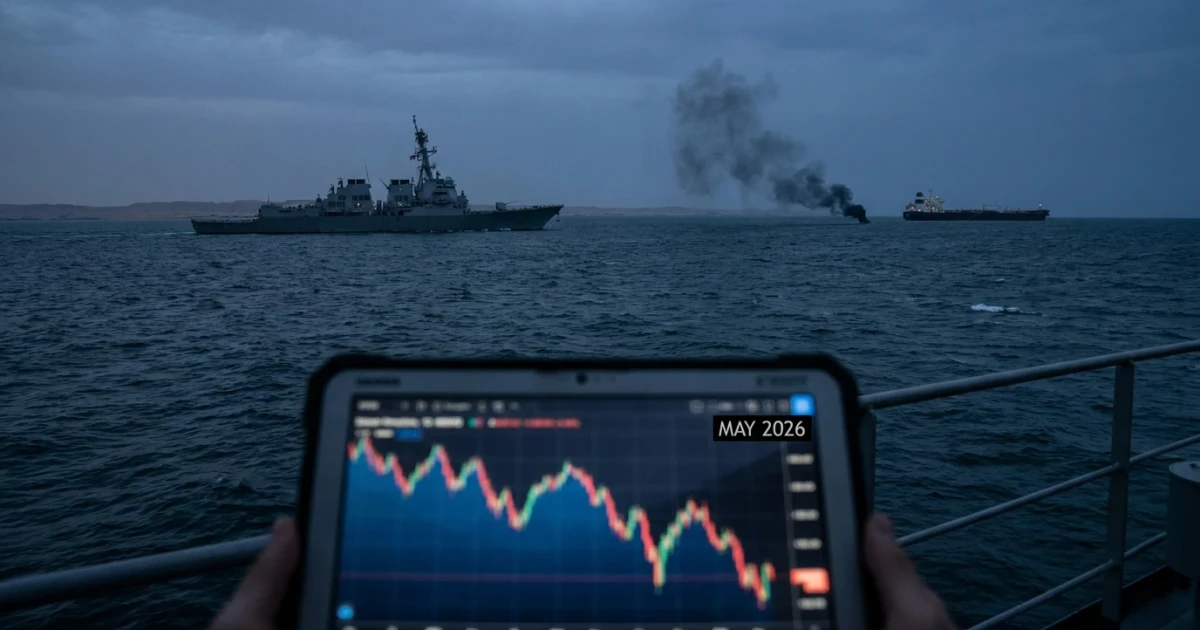
Escalating attacks in the strategically vital Strait of Hormuz and the wider Gulf region are threatening the fragile ceasefire between the United States and Iran, raising concerns about regional stability, maritime security, and global energy markets.
Strait of Hormuz: A Critical Maritime Chokepoint
The Strait of Hormuz remains the world’s most important oil transit chokepoint, with nearly a fifth of global petroleum trade passing through its narrow waters. According to UNCTADstat Maritime Transport, tens of millions of barrels are shipped daily via the Strait, connecting major oil producers in the Persian Gulf to international markets. The concentration of energy shipments makes the region a frequent flashpoint for geopolitical tension and a prime target for armed attacks.
Recent Attacks Imperil Ceasefire
The Washington Post reported that a series of attacks on commercial vessels in the Strait and surrounding waters have imperiled the already fragile U.S.-Iran ceasefire. These incidents include armed drone strikes and sabotage attempts, which both governments have condemned but stopped short of direct military response. The attacks come at a time when both sides had agreed to a temporary halt in hostilities, brokered by international mediators, aimed at de-escalating the ongoing conflict.
- Multiple ships targeted in the last week, causing disruptions to shipping schedules and insurance rates.
- No deaths reported, but significant damage to cargo and vessels.
- U.S. Navy increased patrols in the area to deter further incidents.
Regional analysts note that these attacks not only threaten the ceasefire but also risk triggering broader escalation, given the high stakes for global oil supply and international shipping lanes.
Market Reaction and Policy Response
Despite the unveiling of a new security plan for maritime transit by the U.S. administration, market confidence remains low. The Washington Post highlighted that traders are skeptical about the effectiveness of these measures, citing persistent risks and the possibility of renewed conflict. Oil prices briefly spiked after initial reports of the attacks, reflecting fears of supply disruption, but have since stabilized as diplomatic channels remain open.
At the same time, international organizations have urged both sides to uphold the ceasefire and prioritize maritime safety. The International Maritime Organization continues to monitor piracy and armed attacks in the region, issuing regular advisories to ship operators and insurers.
Security, Sanctions, and Diplomatic Efforts
The attacks have also reignited debates over the effectiveness of existing sanctions and international monitoring. The United Nations maintains sanctions on Iran related to arms proliferation and regional security violations, though enforcement remains inconsistent. Diplomats from both countries have called for renewed dialogue, and research from the Center for Strategic and International Studies suggests that avoiding war will require sustained confidence-building measures, improved oversight, and cooperation among Gulf states.
For a deeper analysis of Gulf security dynamics and diplomatic prospects, readers can explore the CSIS research report.
Looking Ahead
As attacks persist in the Strait of Hormuz and the Gulf region, the durability of the U.S.-Iran ceasefire remains uncertain. The current situation underscores the need for robust maritime protection, transparent communication, and international engagement to prevent further escalation. With global energy flows at stake, the coming weeks will test both diplomatic resolve and the effectiveness of new security measures.
For timelines and background on armed attacks in the Gulf, readers can consult the Council on Foreign Relations backgrounder.