Entertainment
August ideas and rituals to bring more joy into your days

A better August does not require a plane ticket or a total reset. Small rituals, repeated on purpose, can make a stressful news cycle feel more manageable, which is the same logic behind The New York Times’ recurring “A List of Good Things,” a weekly inventory of ideas, rituals and cultural artifacts meant to add joy to your days. The frame is broad, taking in music, happiness, wellness and inspiration, but the underlying advice is simple: build habits that give the day shape.
Why rituals help when the world feels loud
There is a reason repeated actions feel steady in hard moments. A Harvard Business School paper by Alison Wood Brooks and colleagues found that rituals can improve performance by decreasing anxiety, and a 2017 review by researchers including Jan G. V. Hobson described ritual actions as something that “gives members of the society confidence, it dispels their anxieties, and it disciplines their social organizations.” A more recent journal article said the routine nature of rituals and their predictability can reduce anxiety and stress and sometimes help people deal with losses.
That matters beyond individual mood. The World Health Organization has linked social connection to improved health and a reduced risk of early death, which makes low-cost rituals more than self-care theater. They are part of the public health picture, especially when the people most exposed to instability are also the least likely to have easy access to rest, therapy or paid recreation.
Put a meal on the calendar
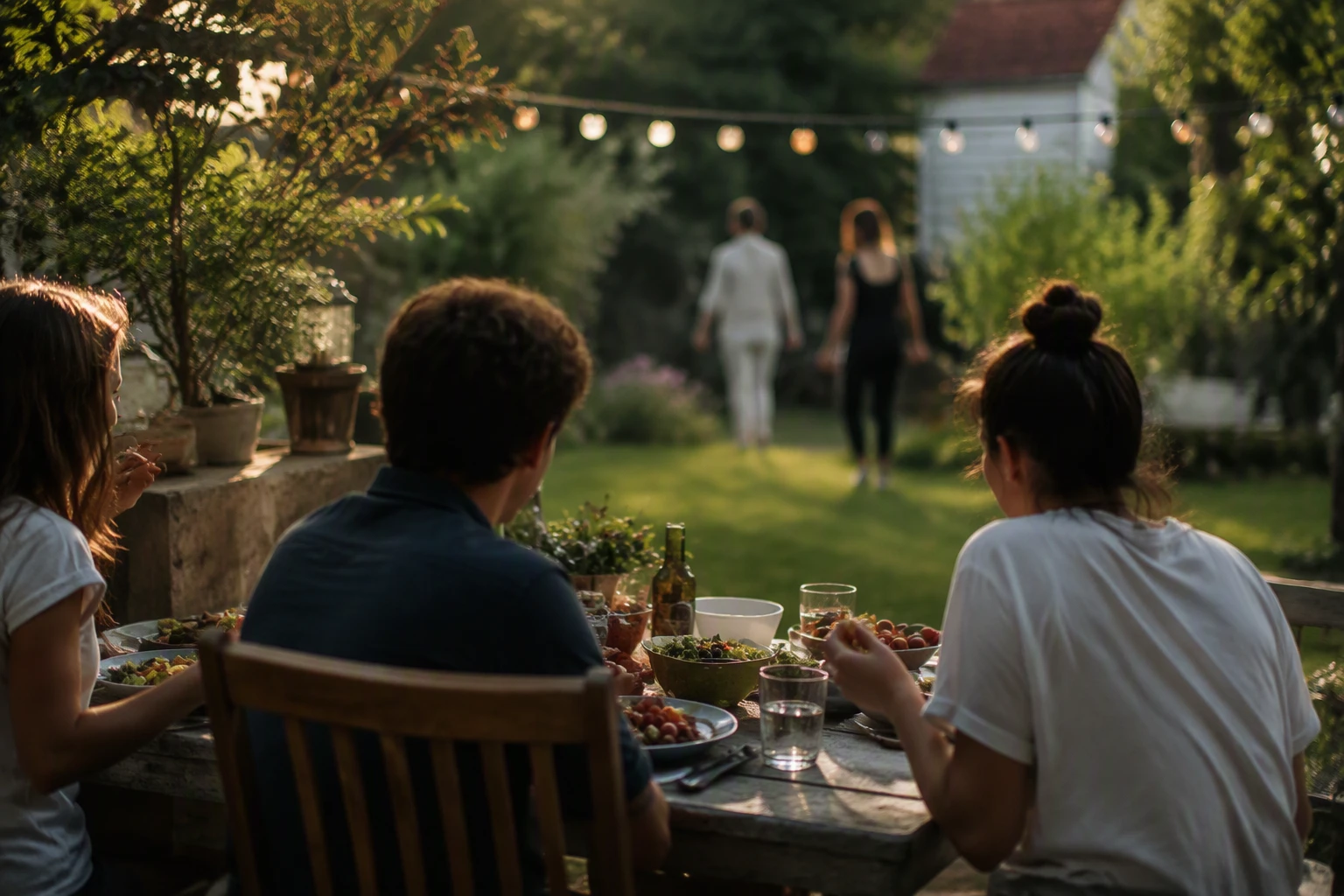
Shared food is one of the easiest places to start. Penguin Random House published Samin Nosrat’s Good Things: Recipes and Rituals to Share with People You Love on Sept. 16, 2025, and Goodreads lists the hardcover at 464 pages, with photography by Aya Brackett. Penguin describes it as “Recipes to Share with People You Love,” while Penguin UK says the book includes 125 recipes and is “a love letter to cooking and eating as a social experience, a ritual that brings people together.”
That idea fits the research on meal sharing, too. The 2025 World Happiness Report included a chapter on “Sharing meals with others,” based on a Gallup World Poll module on food and meal sharing, because food is not just fuel; it is one of the most reliable ways people mark time together. In Sheffield, the Igbo Union South Yorkshire, described as a 300-strong community, gathered for IRI-JI, the New Yam Festival, which marks harvest and thanksgiving. The specifics are different, but the public-health logic is the same: when people eat together on purpose, they are also rehearsing belonging.
For this month, that can be as ordinary as setting one weekly dinner, making a pot of soup that stretches over two nights, or using the same breakfast as a Monday anchor. Repetition is what turns a meal into a ritual.
Make movement social
Walking is one of the few habits that costs nothing and can still change the tone of a day. A 2024 systematic review and meta-analysis in JMIR Public Health and Surveillance examined the effect of walking on depressive and anxiety symptoms, and Harvard Health has highlighted the benefits of walking with friends. The point is not just exercise; it is movement paired with human contact.
That pairing matters because connection itself changes stress. Walking side by side can feel easier than sitting face-to-face, and it gives conversation a rhythm that is hard to reproduce in a text thread. A 20-minute loop after dinner, a lap around the block before the school run, or a weekend stroll to a farmers market can all do the same work: get you outside, keep you moving, and create a regular place to meet another person without spending much.
Build a hard stop between you and the scroll
If your days start and end with headlines, it may be time to treat the phone like a source of stress, not just information. Harvard Health has warned about doomscrolling, and the American Psychological Association has said media overload is hurting mental health and that a few key guardrails can help. In April 2025, a University of California piece on doomscrolling described the cycle as a quick scroll that can become an hour of natural disasters, global conflicts and funding cuts, leaving your heart racing.
The concern is not abstract. A January 2026 scoping review recommended reducing social media exposure and building planned breaks from distressing media content, and a 2024 study on doomscrolling found it was associated with elevated existential anxiety. That makes a break from the feed more than a wellness cliché. It is a way to interrupt a loop that keeps the body in alert mode.
A practical version looks plain: keep one news check instead of many, leave the phone out of reach during meals, and use a walk, album or tea ritual as the replacement. The point is not ignorance. It is preventing constant exposure from draining the attention you need for everything else.
Let public rituals do some of the work
Not every mood-lifting habit has to stay private. Welcome to Sheffield says the city’s 2026 events calendar includes large music festivals, international sporting events, food and drink celebrations, outdoor markets and family fun. Sheffield Cathedral’s Pride of Yorkshire runs from June 8 to Sept. 6, 2026, at Church Street, Sheffield S1 1HA. These are the kinds of public rituals that make joy easier to access because they turn celebration into something shared rather than purchased in isolation.
That public side of ritual matters in a stressful news cycle. Music festivals, neighborhood markets and seasonal gatherings create reasons to leave the house, see familiar faces and feel part of a city that is still making plans. The cheapest joy is often the kind that is already happening nearby, in spaces where people can arrive as they are and leave a little less alone.