World
Australia and Vanuatu sign security pact amid China rivalry
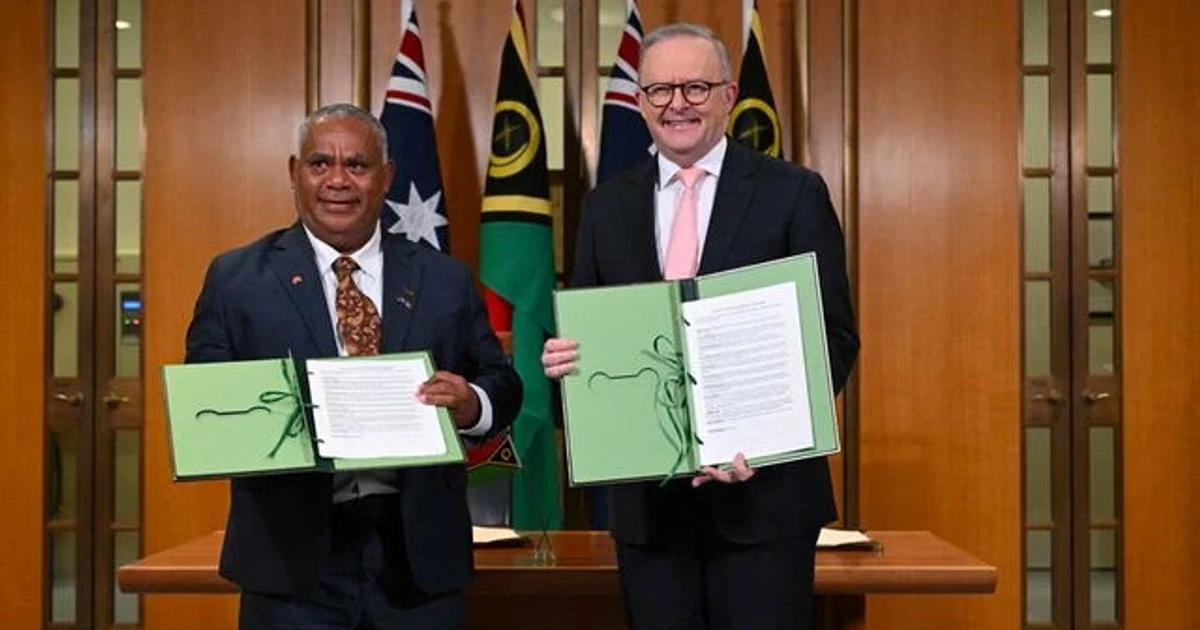
Australia and Vanuatu signed a long-delayed development and security agreement in Canberra on June 28, cementing a pact that Canberra views as central to its effort to push back against China’s growing influence in the Pacific. The Nakamal Agreement was signed by Australian Prime Minister Anthony Albanese and Vanuatu Prime Minister Jotham Napat after months of delay tied to concerns in Port Vila that the deal could restrict the island nation’s ability to attract investment from other countries.
Under the agreement, Australia will remain Vanuatu’s preferred security and policing partner, and Canberra will be consulted on any third-party investment in Vanuatu’s critical infrastructure. Australia has already pledged A$500 million over 10 years for the arrangement, giving the pact both a security dimension and a substantial development component.
The delay exposed the sensitivity of the deal inside Vanuatu, where one coalition partner objected and helped slow an agreement that had initially been expected in September. That hesitation reflected a wider calculation in Pacific capitals: governments want infrastructure money, development support and security assistance, but they also want to avoid locking themselves into one strategic camp. Vanuatu’s own economic deal with China was still awaiting approval in Beijing, adding weight to concerns that the Australian pact could narrow Port Vila’s room to maneuver.
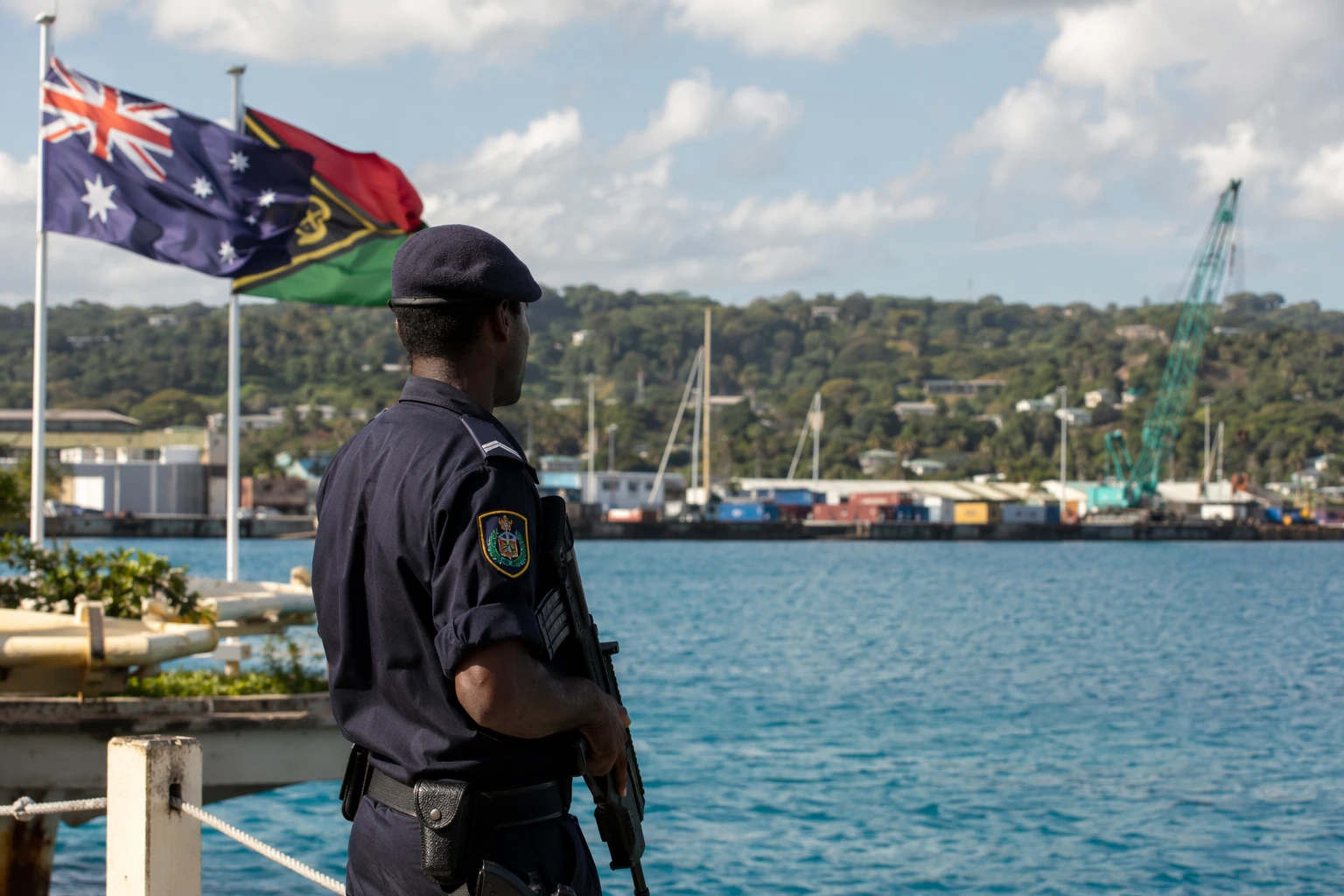
Albanese framed the arrangement as consistent with Vanuatu’s sovereign choice not to host foreign military bases or militarized infrastructure, presenting the pact as a way to keep critical assets free from militarization. That language placed sovereignty at the center of a contest that has become larger than bilateral ties. For Australia, the agreement strengthens a diplomatic and security position built to counter Beijing’s economic and political footprint across island states. For Vanuatu, it offers funding and partnership, but also invites closer scrutiny over how it balances Chinese financing, Australian security guarantees and the broader imperative to keep its policy options open.
The signing showed how carefully Pacific governments are weighing investment, aid and security against the risk of being pulled too far toward either Canberra or Beijing.
Sources
- [1]usnews.com