World
Australia beach finds suspected space junk from foreign rocket re-entry
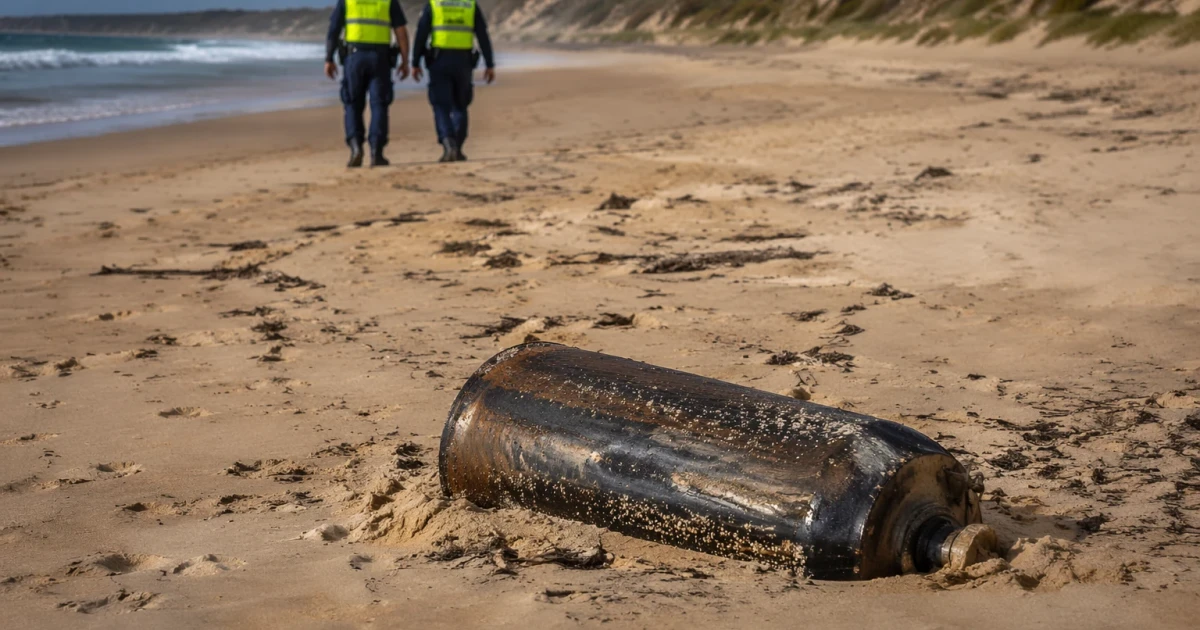
Suspected space debris kept turning up on a north Queensland beach, prompting police to close part of Forrest Beach and set up exclusion zones while specialists tried to identify what had fallen from orbit and who sent it there. The small seaside community near Ingham, about 210 kilometres north of Townsville, saw more pieces wash ashore over several days.
Queensland Police had officers at Forrest Beach since 2:30pm on Friday, July 3, after a number of unidentified objects were found. Three objects were located that day, and a fourth was found at 2:30pm on Saturday, July 4. Emergency services initially established an 800-metre exclusion zone before reducing it to 50 metres, and residents within 500 metres of one home were told to leave at one point. The beach was closed and a Public Safety Preservation Act declaration was made, then later revoked after Queensland Fire Department crews rendered the objects safe.
By Sunday, July 5, six pieces of suspected space junk had been discovered in the community since Friday. On Monday, July 6, the recovered objects appeared to be pressure vessels from a space launch vehicle and were consistent with debris from a foreign rocket body that had recently re-entered the atmosphere from orbit. The Australian Space Agency was still working with international authorities to formally confirm the launch vehicle and launching state, a process that determines which country is responsible for the debris and the cleanup response.
More potentially hazardous debris may still be found, and the public should not touch, move or recover suspected space debris. The items may have contained hazardous chemicals, possibly hydrazine propellant, which is used in some spacecraft systems and can be dangerous to handle.
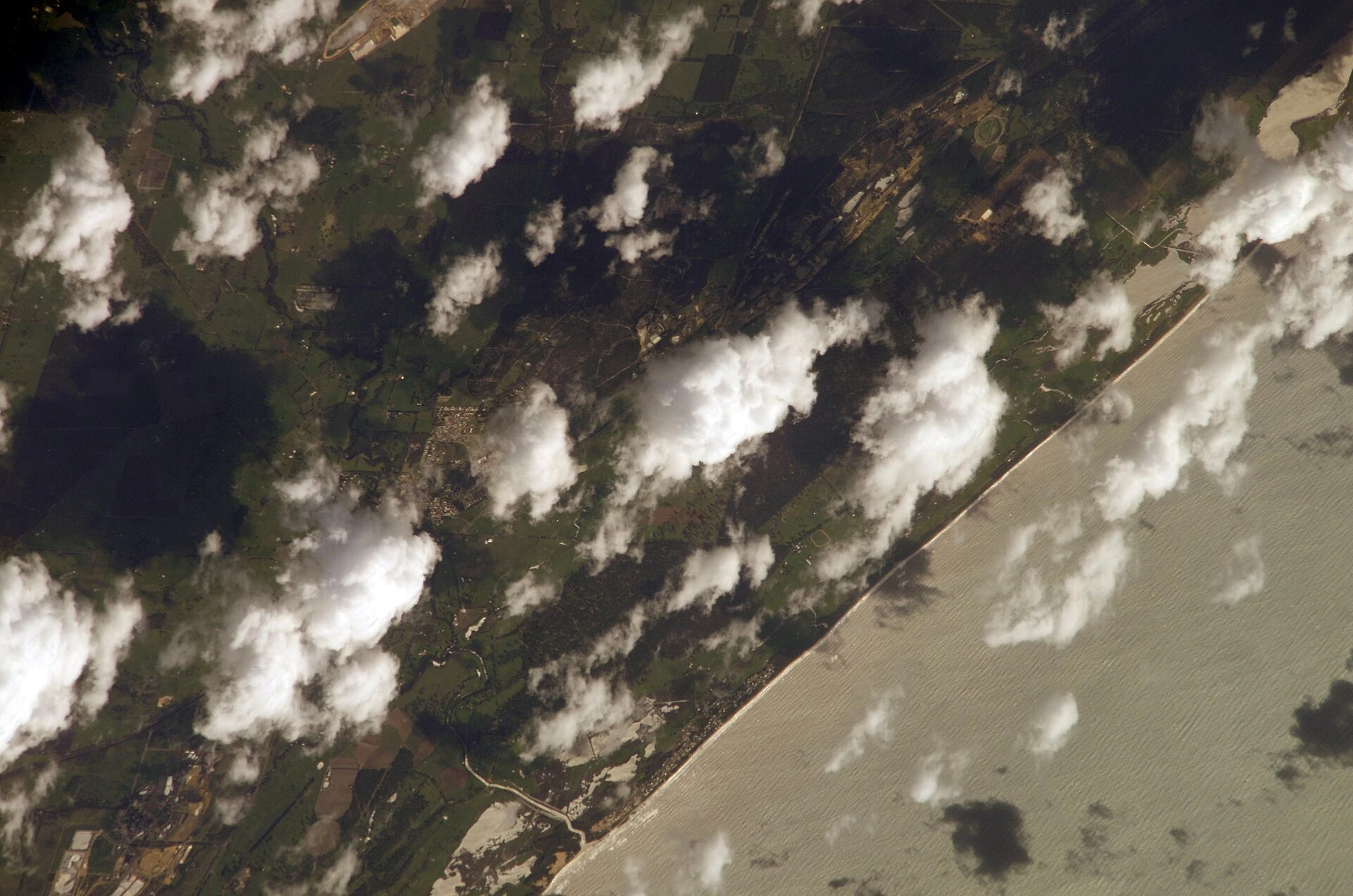
Flinders University space archaeologist Alice Gorman called the spherical pressure vessels among the most commonly found kinds of space junk, nicknamed “space balls.” They often survive re-entry because they are made of robust materials with high melting points. The beach stayed under a 50-metre exclusion zone around each item until partner agencies removed them.
Sources
- [1]nytimes.com
- [2]abc.net.au
- [3]mypolice.qld.gov.au
- [4]7news.com.au
- [5]space.com