Health
Australia confirms first mass bird flu mortality event linked to H5
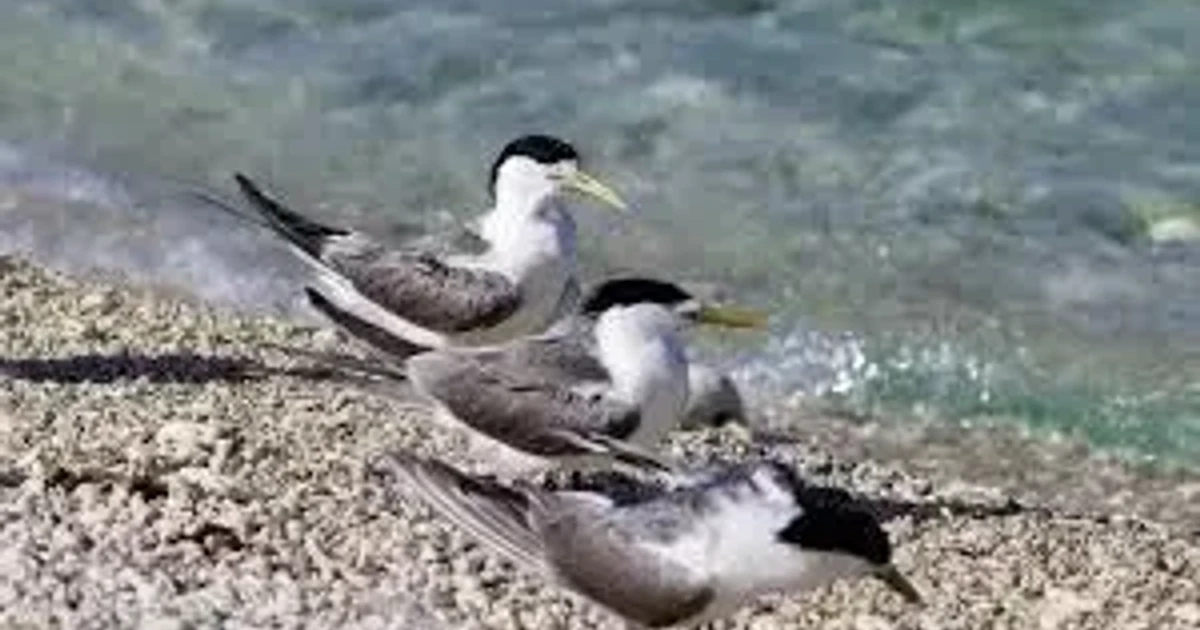
Australia confirmed its first mass mortality event linked to H5 bird flu after dead and sick greater crested terns were found off South Australia, a step up that moves the outbreak from isolated detections in wild birds into a more serious biosecurity phase. The finding matters because a mass mortality event signals rapid die-off in a short period, raising the stakes for containment, wildlife surveillance and poultry protection.
South Australian state authorities were investigating the deaths on Baudin Rocks off Cape Jaffa, on the state’s southeast coast, where aerial surveillance detected 49 dead and 35 sick greater crested terns. Reuters described the episode as involving about 50 greater crested terns off the coast south of Adelaide, and local reporting said six additional suspected cases were later noted. A CSIRO laboratory also confirmed the deadly strain in a greater crested tern found in Robe on South Australia’s Limestone Coast.
The episode came after Wildlife Health Australia said H5 bird flu was detected on mainland Australia for the first time in June 2026. The group identifies the virus as highly pathogenic avian influenza H5N1, clade 2.3.4.4b, the strain that has spread globally. Reuters reported Australia’s first H5N1 bird flu case in a local seabird on July 10, then said on July 29 that H5N1 was spreading in the native bird population.
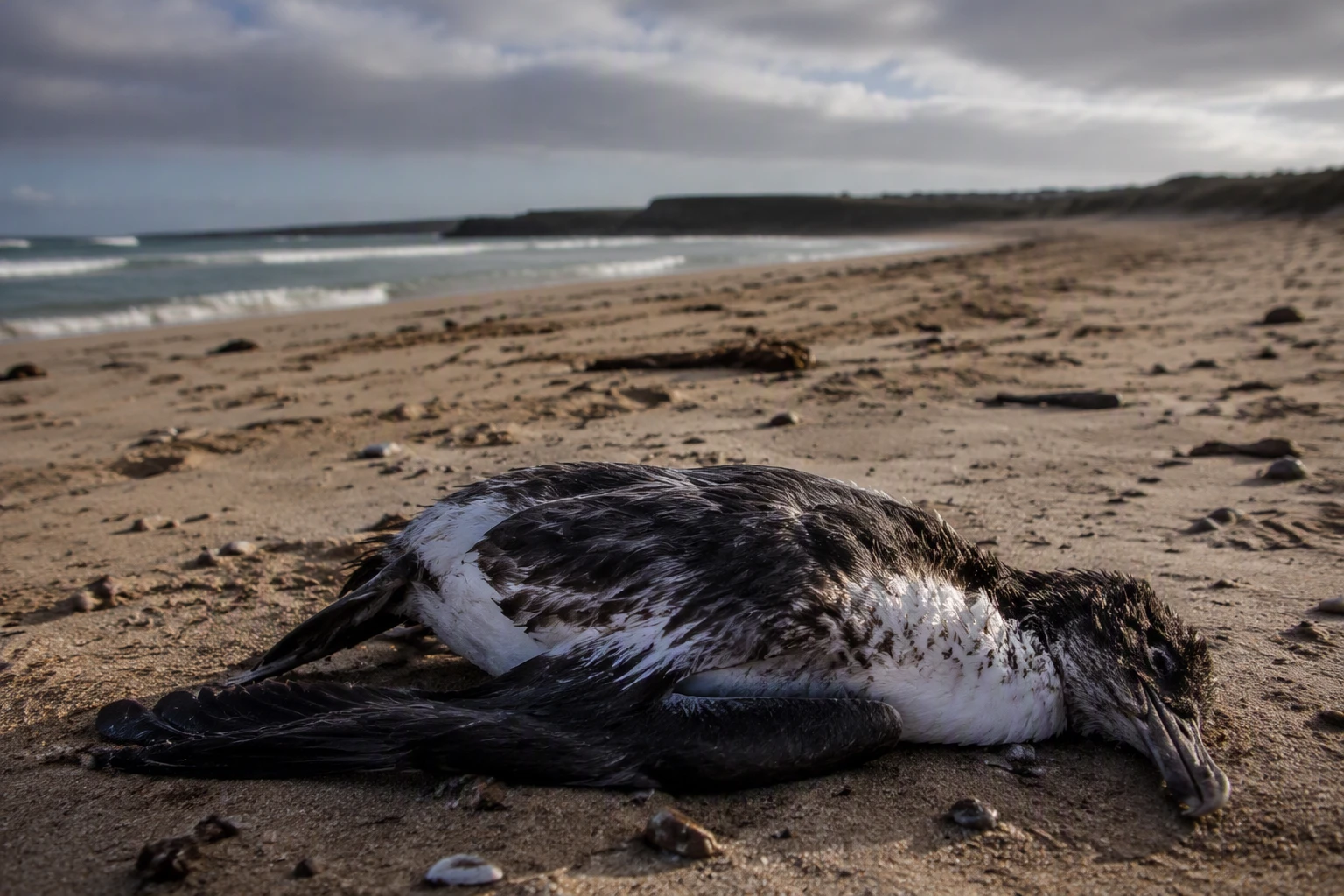
For now, Reuters said there was no evidence of H5 bird flu on Australia’s farms, but the agricultural risk is already clear. Many farms have locked down to safeguard poultry flocks since H5 was first detected in June, a precaution aimed at preventing the kind of farm losses that have hit other countries. In the United States, bird flu has led to the killing and disposal of about 95 million chickens, turkeys and other poultry since February 2022, according to USDA data obtained by Reuters, a reminder of how quickly a wildlife outbreak can become a supply-chain shock once it reaches commercial flocks.
The immediate public-health risk remains tied to bird exposure, testing and whether the virus stays confined to wildlife. The ecological risk is already visible in South Australia’s seabirds, while the containment test now extends across wetlands, islands and migratory pathways that connect wild bird sites in Australia.
Sources
- [1]reuters.com
- [2]abc.net.au
- [3]wildlifehealthaustralia.com.au
- [4]nine.com.au
- [5]dpi.nsw.gov.au
- [6]birdlife.org.au