World
Australia eases travel advice for Gulf states after U.S.-Iran deal
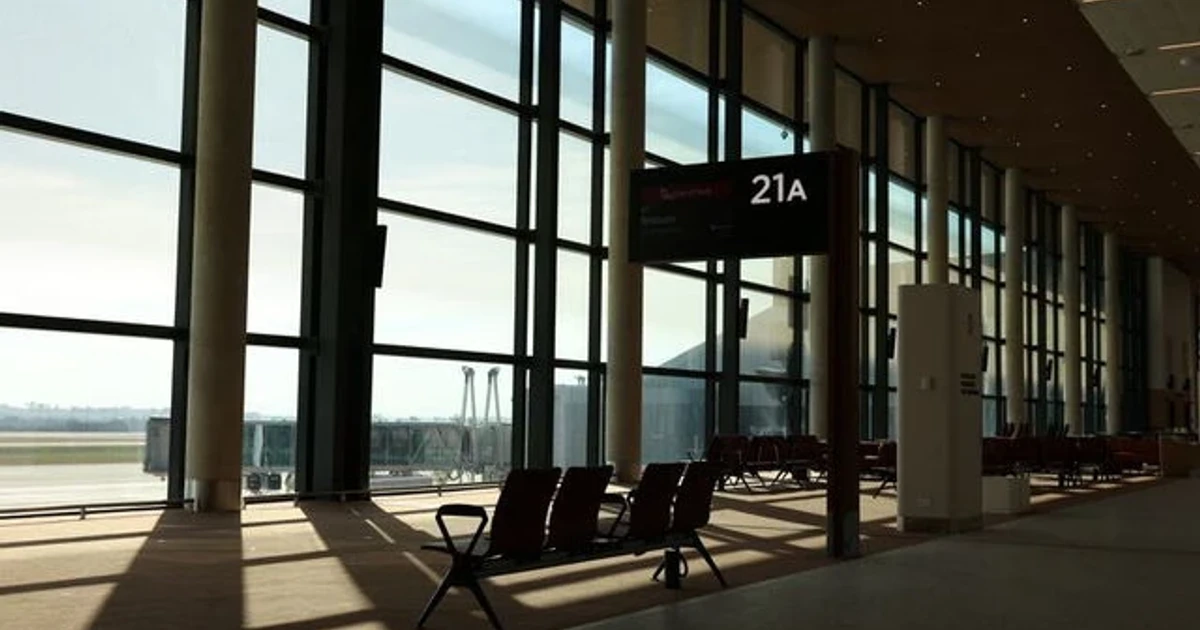
Australia’s downgrade of travel advice for Bahrain, Israel, Kuwait, Qatar and the United Arab Emirates immediately changes the economics of flying through the Gulf. By moving the destinations from Level 4 “Do not travel” to Level 3 “Reconsider your need to travel,” Canberra reopened a path for more insured itineraries, fewer disrupted bookings and a partial lift in transit demand through hubs such as Dubai and Doha.
The shift followed an interim agreement between the United States and Iran, and it marks a practical thaw rather than a full clearing of the security risk. The Australian Department of Foreign Affairs and Trade’s Smartraveller service said Australians should now “reconsider your need to transit” through those places, while still advising that transit be kept as short as possible and unnecessary activities avoided. It also warned that airspace may close at short notice and flights can change or stop suddenly.

That matters far beyond the airport lounge. Travel warnings can affect whether insurers will cover delays, cancellations and itinerary changes, and Smartraveller specifically told travelers to check their policies before moving through the region. For airlines, especially carriers built around transfer traffic, the downgrade can support a rebound in bookings after weeks of caution. Gulf hubs depend heavily on connecting passengers, so even a small easing in advisory language can influence route planning, passenger confidence and seat sales across the network.
The new guidance does not amount to an all-clear. Smartraveller said the regional security situation remains unpredictable and can worsen with little notice, and its Middle East conflict page had previously told Australians not to travel to or transit through Bahrain, Israel, Kuwait, Qatar and the UAE. Bahrain’s warning had been raised to “Do not travel” on 28 February 2026, underscoring how quickly conditions had deteriorated before this latest move.
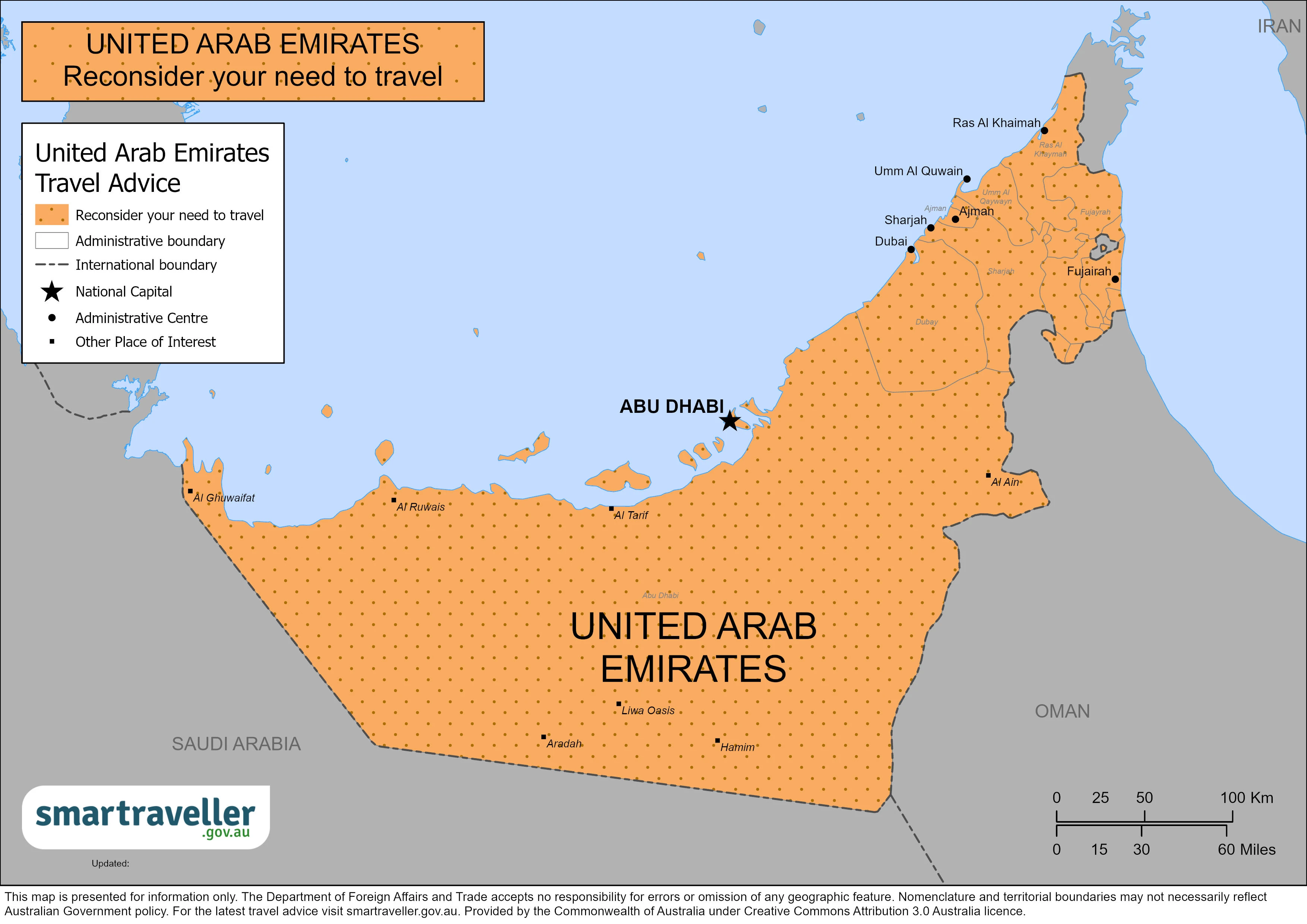
That is why the downgrade should be read in two ways at once. It reflects a less tense immediate environment after the U.S.-Iran breakthrough, but it also looks like a policy catch-up to a shifting geopolitical reality rather than proof that the risk has disappeared. Smartraveller still says military conflict in the region can affect travel plans even when the destination is outside the Middle East, a reminder that the economic impact of diplomacy reaches well beyond foreign ministers’ communiqués and straight into airline schedules, insurance pricing and the willingness of travelers to book.
Sources
- [1]usnews.com
- [2]smartraveller.gov.au
- [3]al-monitor.com