Business
Australia exchange to cap stock-funded takeover bids at 25%
Australia’s stock exchange has drawn a harder line around takeover financing, proposing a 25% cap on new shares issued in public mergers and acquisitions before shareholder approval is required. For larger listed companies in the S&P/ASX 300, the change would make it much harder for boards to dilute existing investors through scrip-heavy bids without first securing a vote.
The Australian Securities Exchange said the revised settings were meant to balance shareholder protection and market integrity with transaction certainty. In practical terms, the rule would reduce the use of Listing Rule 7.2 Exceptions 6 and 7, which have long allowed listed bidders to issue shares in regulated takeovers and mergers without shareholder approval. That matters because under the current regime, bidder share issuances in takeover settings could exceed 100% of issued capital without a bidder vote, subject to waivers and exceptions.

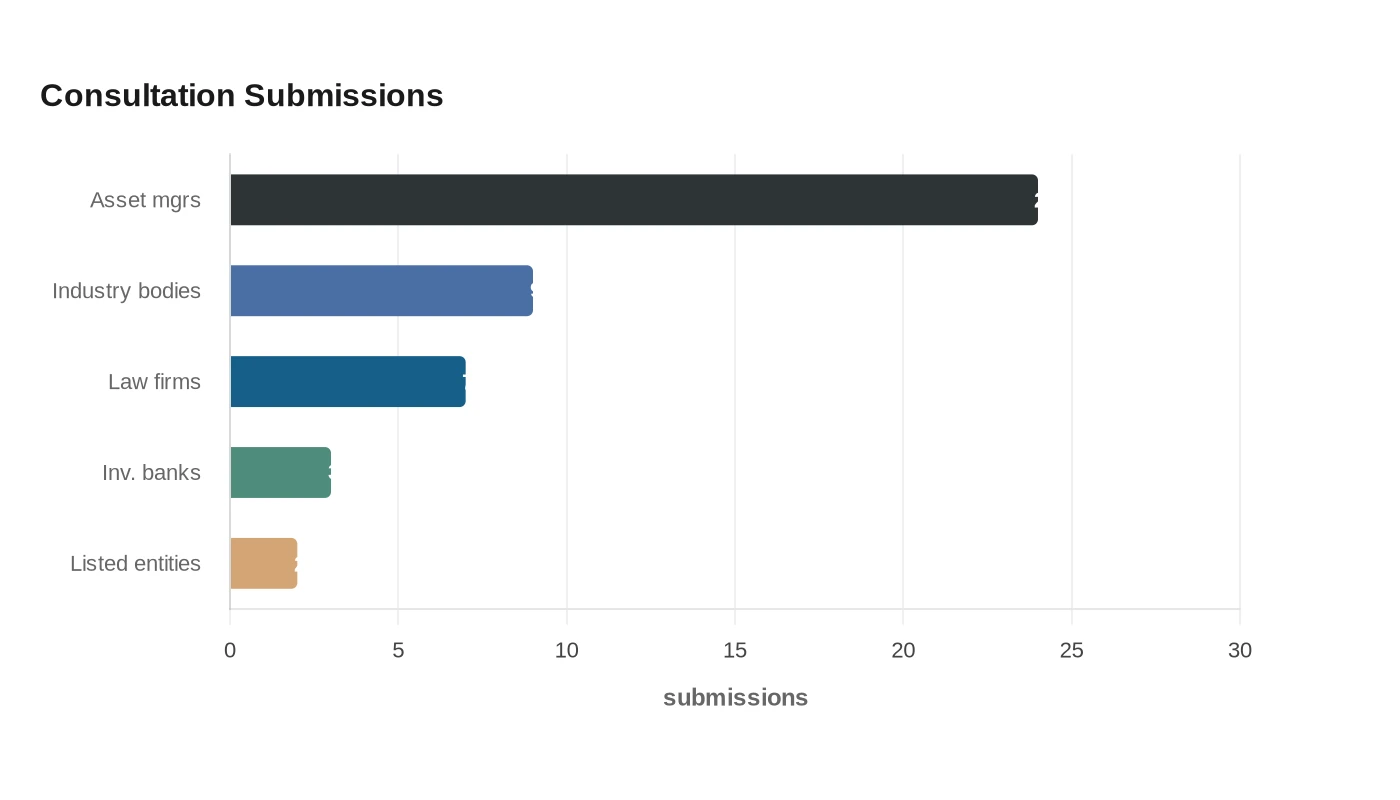
The consultation was pushed by investor complaints about dilution, especially after James Hardie Industries plc’s acquisition of The AZEK Company Inc., when ASX granted a waiver that allowed the company to issue about 35% of its shares as scrip consideration without shareholder approval. ASX said the exposure draft followed investor feedback in April 2025 and a public consultation launched on October 20, 2025. It received 45 submissions, including 24 from asset managers, nine from industry bodies, seven from law firms, three from investment banks and two from listed entities.

The politics of the rule change are clear. Shareholders would gain leverage over large stock-funded bids that materially alter ownership stakes, while boards and acquirers would lose some of the flexibility that has made scrip a convenient takeover currency. Deals that lean heavily on stock, especially in larger public-company transactions, would either need a smaller share component, advance shareholder backing or a different financing structure altogether.
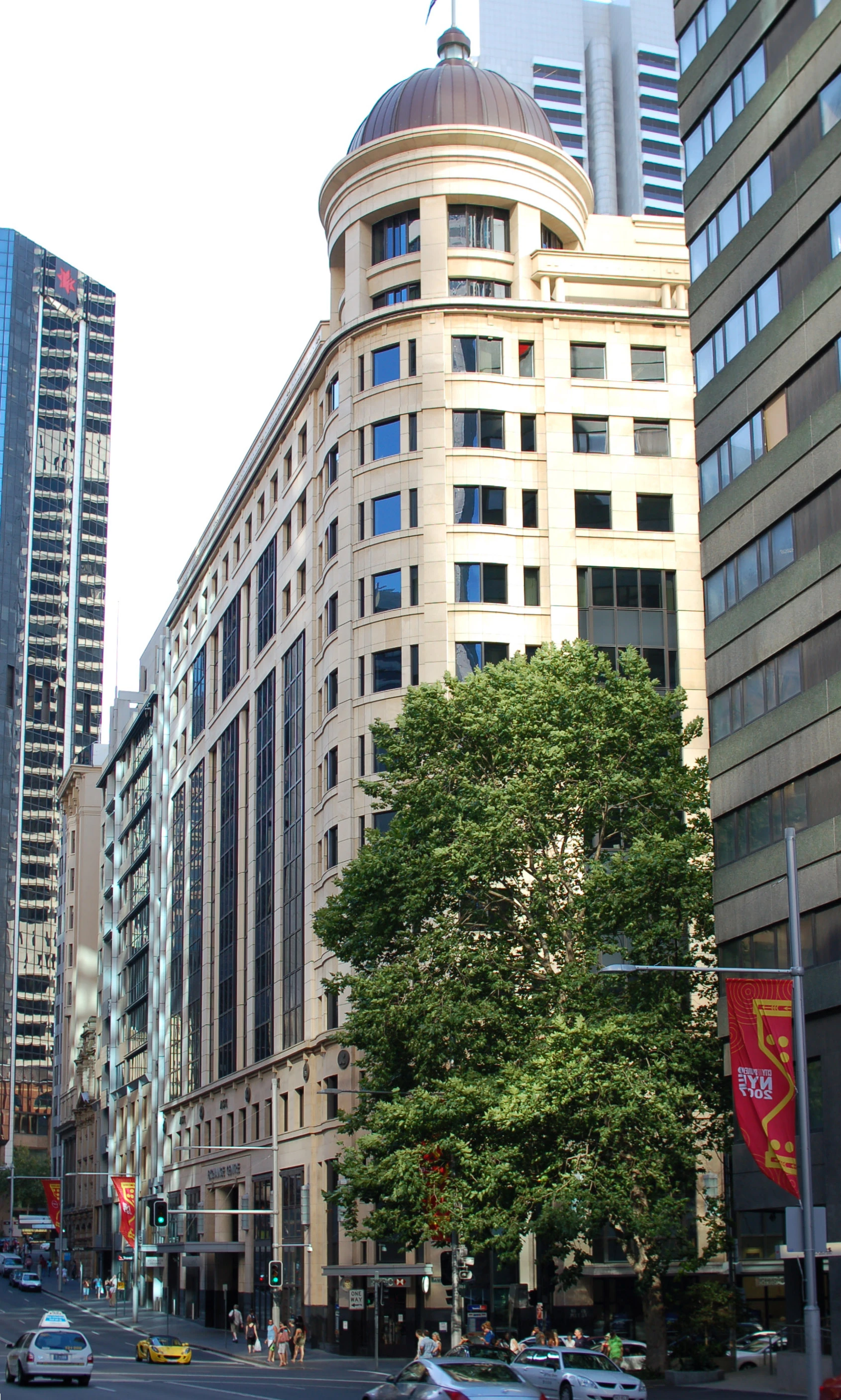
Supporters say that is overdue. The Australian Shareholders’ Association had already backed a 25% threshold and argued it would bring ASX closer to the London Stock Exchange, the Toronto Stock Exchange and Hong Kong Exchanges and Clearing. The Law Council of Australia’s Business Law Section opposed cutting the effective limit from 100%, warning of costs, inefficiencies and damage to the appeal of Australia’s public markets.
ASX said shareholders would still be able to approve higher limits in advance through constituent documents or a vote. Its wider package also includes shareholder approval before an ASX-listed entity changes to Foreign Exempt Listing status and before some dual-listed entities voluntarily delist if they have a material Australian shareholder base. Submissions on the exposure draft are due by July 29, 2026, and the final rule still has to move through ASX’s own process before taking effect.
Sources
- [1]money.usnews.com
- [2]asx.com.au
- [3]lawcouncil.au
- [4]ashurst.com
- [5]jdsupra.com