Technology
Australia plans tougher under-16 social media ban, doubles penalties
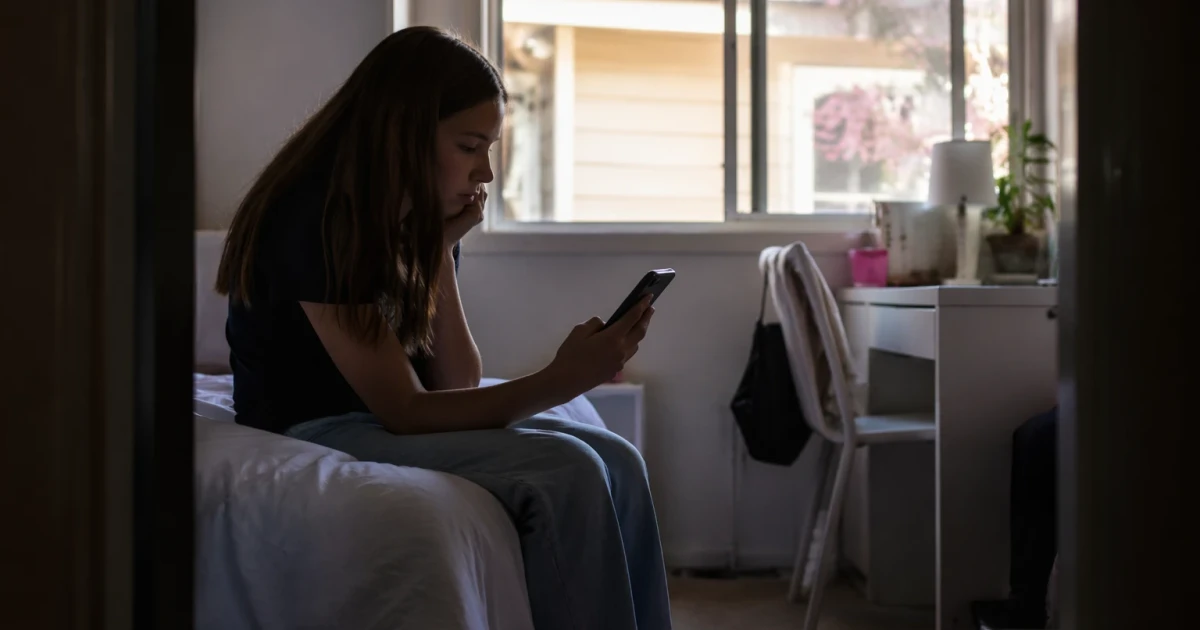
Australia is moving to harden its under-16 social media ban with new powers for the eSafety Commissioner and a doubling of the maximum penalty for serious breaches to A$99 million. The federal government says the current regime, which took effect on 10 December 2025, is not forceful enough to stop children from opening or keeping accounts on major platforms.
The proposed changes would lift the top fine for systematic failures from A$49.5 million to A$99 million and give the regulator stronger information-gathering powers. Platforms would still be required to take reasonable steps to prevent Australians under 16 from creating or keeping accounts, but the government wants the eSafety Commissioner to be able to demand evidence showing what companies have done to block underage access. Third-party age-verification providers could also be required to hand over information.
Prime Minister Anthony Albanese has argued that big tech has not done enough to comply with the law and that too many children are still using social media despite the restrictions. The government’s position is that the burden sits with platforms, not parents or children, to make the ban work in practice. That distinction matters because the rule is not built around a single mandated method: eSafety guidance says companies must take reasonable steps, but the law does not prescribe one compliance model.
The scale of the enforcement problem is already visible. The government said more than 4.7 million under-16 accounts were deactivated, removed or restricted within days of the law coming into effect. Officials have since said that figure has climbed to more than 5 million, even as age checks remain easy to bypass and the regime faces scrutiny over how much protection it can deliver at internet scale.
Five platforms are being investigated for possible non-compliance: Meta’s Instagram and Facebook, Google’s YouTube, Snap’s Snapchat and TikTok. YouTube was only brought into the ban after advice from eSafety Commissioner Julie Inman Grant, underscoring how the law has already shifted as regulators tried to close loopholes.
The enforcement push comes after an age assurance trial that examined age verification, age estimation, age inference, parental controls and consent. eSafety’s trial materials say age assurance technologies can verify age privately, robustly and effectively, but the practical challenge now is whether Canberra can compel large platforms to use them without turning child protection into a wider system of surveillance.
The government wants the strengthening legislation passed before the winter parliamentary break, as other countries watch to see whether a hard age-based social media limit can actually be enforced.
Sources
- [1]abc.net.au
- [2]pm.gov.au
- [3]esafety.gov.au
- [4]infrastructure.gov.au