Health
Australia welcomes rare naturally conceived quadruplets in Brisbane hospital

Royal Brisbane hospital delivered naturally conceived identical quadruplets in Brisbane, Queensland, after a pregnancy doctors described as “extremely high risk.” The birth stands out not as a novelty, but as a rare clinical event that demanded intensive planning, neonatal support and close monitoring from the start.
The four girls, named Emily, Harriet, Catherine and Alexa, came from a single fertilized egg that split into four embryos. That process left all four daughters sharing 100 percent of their DNA, a genetic outcome so uncommon that the odds are described as about one in 15 million. It is the first documented case of identical quadruplets in Australia, and only one of a very small number recorded worldwide.
The Royal Brisbane team said the parents were taken by “immense surprise” by the pregnancy, a reaction that fits the scale of the medical rarity involved. A multiple birth of this kind places heavy demands on obstetric and neonatal services because the main risks are usually tied to early delivery, low birth weight and the need for immediate respiratory support after birth.
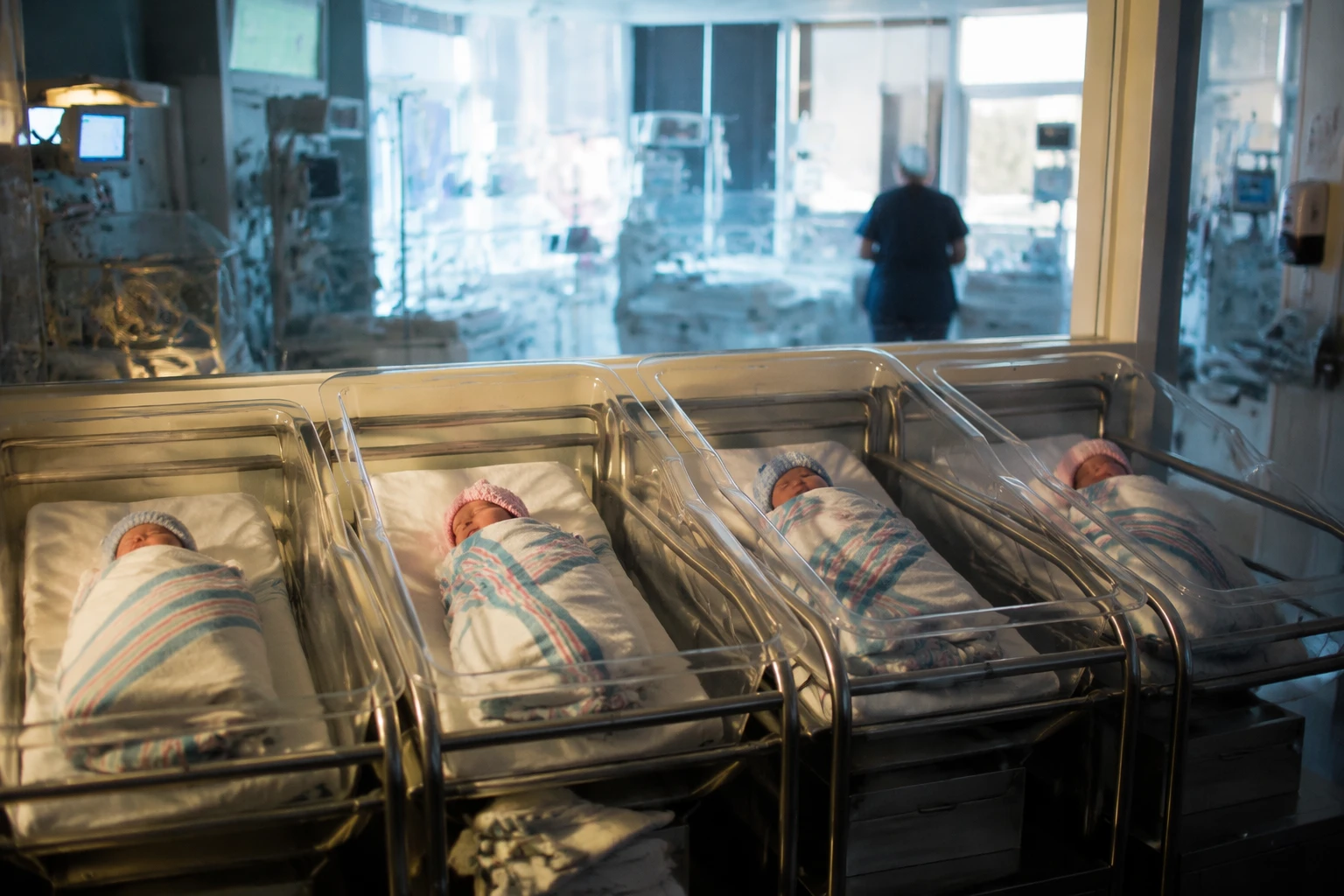
Images published alongside the reports showed the babies in a nursery or incubator with breathing support and wires attached, indicating that neonatal care was needed after delivery. That setting is consistent with the kind of support expected in a major tertiary maternity hospital, where obstetricians, neonatologists and specialized nurses are available around the clock.
The case also carries practical implications far beyond the delivery room. Raising four infants at once requires sustained family support, frequent medical follow-up and a level of coordination that can stretch even well-resourced households. For a family welcoming identical quadruplets, the early weeks and months often mean repeated hospital visits, feeding schedules measured in hours, and careful tracking of each child’s growth and development.
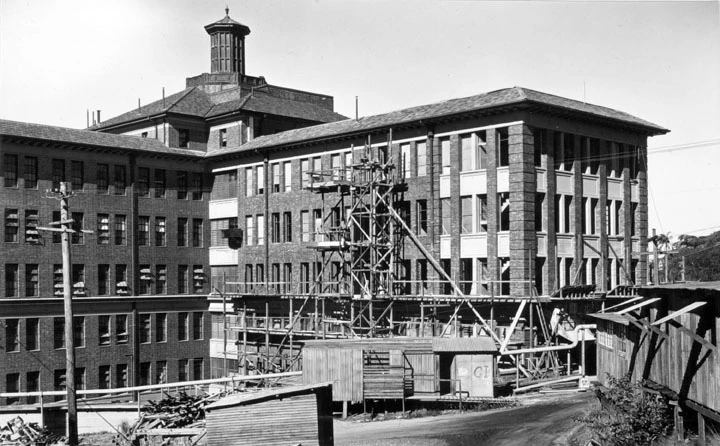
Brisbane has now recorded a birth that clinicians will treat as a reference point for years to come. The combination of natural conception, identical quadruplets, and the level of neonatal care required has placed the Royal Brisbane delivery among the rarest documented pregnancies in modern medicine.
Sources
- [1]cbsnews.com
- [2]bbc.com
- [3]theguardian.com
- [4]nytimes.com
- [5]abc.net.au
- [6]youtube.com