World
Australian native bees in plant stems face rising heat risk
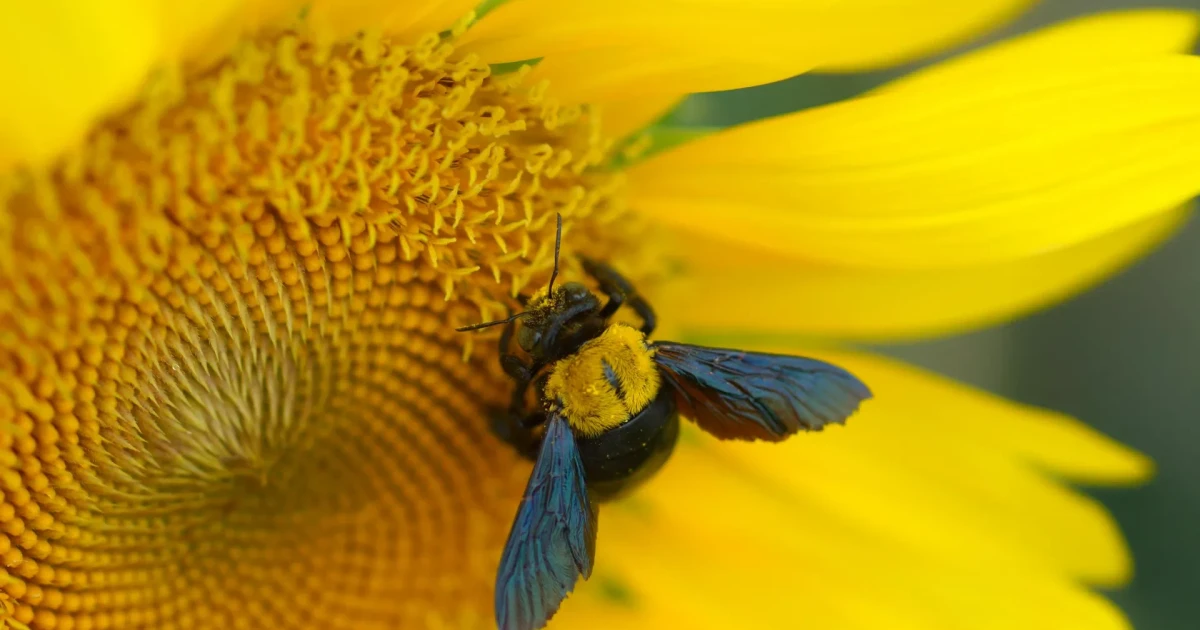
Australian native bees that nest in thin plant stems may have the least room to escape rising heat, a warning sign for pollinators that help sustain both wild ecosystems and crops. A study of 95 native bee species across eastern mainland Australia found that nesting biology sharply shaped heat tolerance, with stem-nesting bees far more exposed than ground nesters that can burrow deeper when temperatures climb.
The research, published June 16 in Nature Communications, comes from scientists at Macquarie University, the University of Sydney, La Trobe University, Flinders University, the University of Wollongong, the University of Adelaide and the University of Queensland. Australia has about 1,700 native bee species, and the team grouped their nesting habits into three main strategies: burrows in the ground, cavities in wood such as hollows or dead branches, and plant stems or small twig holes. To test how much heat the bees could endure, the researchers collected them during a four-month field trip stretching north to south across mainland Australia and gradually raised temperatures until the insects lost coordination.
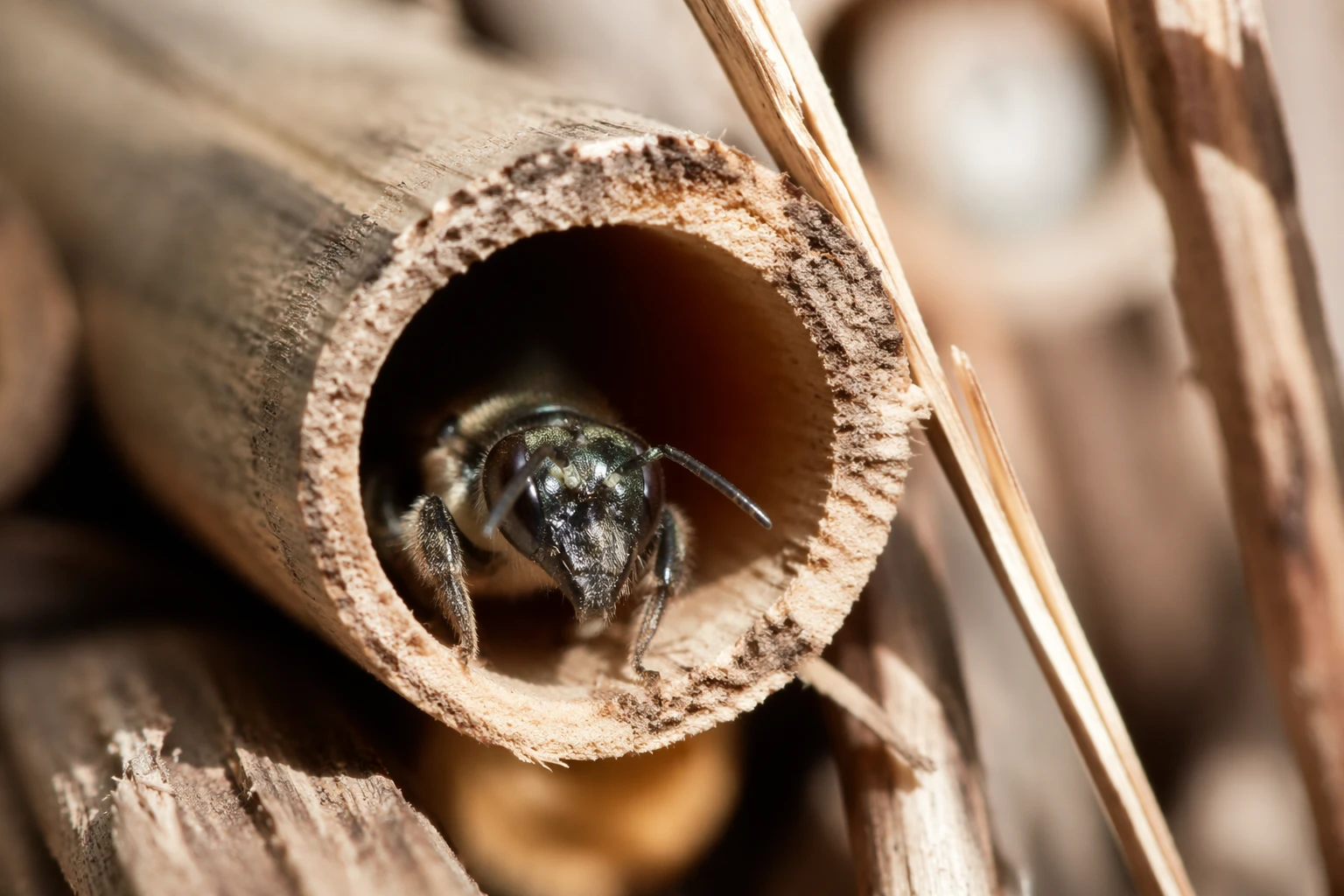
The strongest near-term risk fell on bees that live in plant stems. Thin stems offer little insulation from outside heat, leaving those species with few behavioral escape routes during extreme temperatures. That matters because climate change is not only a story of higher averages; it is also a story of sharper heat spikes, and species with less shelter can be pushed past their limits faster than broader regional warming maps would suggest.
The study also flagged tropical native bees as especially vulnerable, a finding with direct agricultural implications. Dr Vanessa Kellermann of La Trobe University said tropical native bees are important pollinators for macadamia nuts, avocados, mangos and lychees, linking heat stress in small insects to fruit and nut production that reaches far beyond conservation circles. The results suggest that protecting pollinators will require more than preserving flowers. Nesting substrate, soil depth, dead wood, stem structure and shade all shape whether bees can survive the next heat wave.
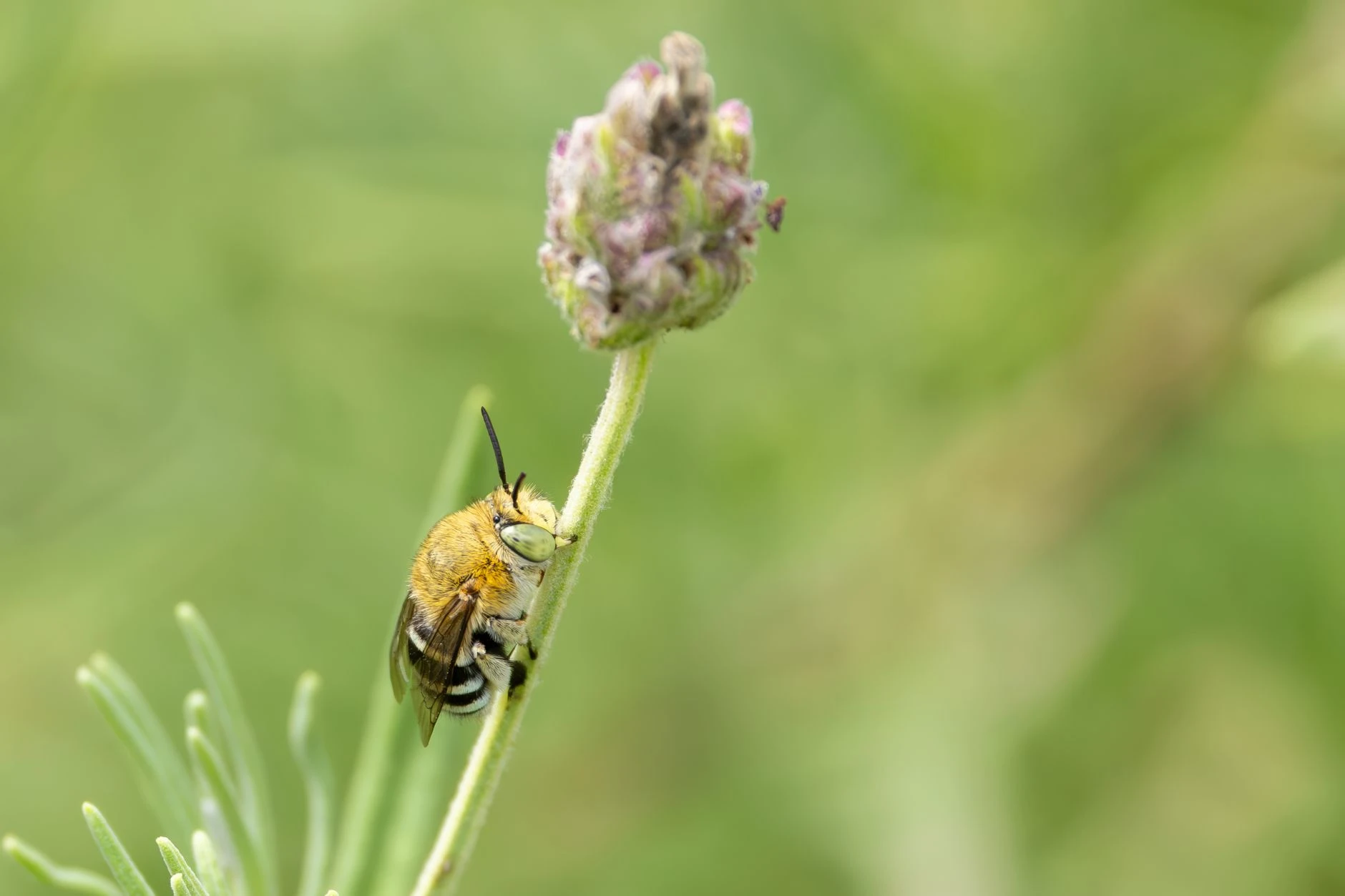
The findings also point to microclimate as a missing piece in climate planning. The researchers said the temperatures inside nests help explain why heat tolerance differs so much among species, and they noted that closely related bees often share both nesting behavior and tolerance traits. A previous North Carolina study of 15 species had already hinted that nesting style may matter, but the Australian work expands that idea across a much larger group. For conservation planners, the message is blunt: the right refuge can be as important as the right habitat, especially when the refuge is measured in a few degrees and a few centimeters of soil or stem.
Sources
- [1]sciencedaily.com
- [2]sydney.edu.au
- [3]theconversation.com
- [4]nature.com
- [5]phys.org