Health
Australian woman gives birth to identical quadruplet girls in Brisbane
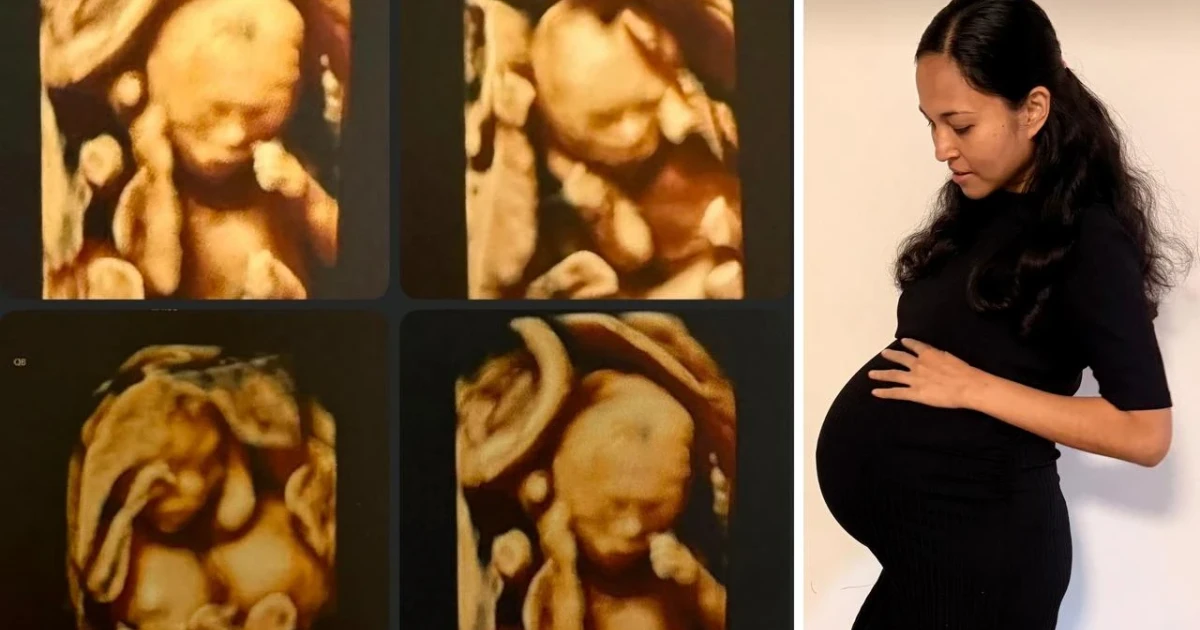
Jenitar Na'amoana delivered identical quadruplet girls by caesarean section at Royal Brisbane and Women’s Hospital in Brisbane, bringing Emily, Harriet, Alexa and Catherine into the world at 28 weeks and 4 days of gestation. The naturally conceived pregnancy was described as extremely high risk, and the rare arrival has been described as a one-in-15-million event.
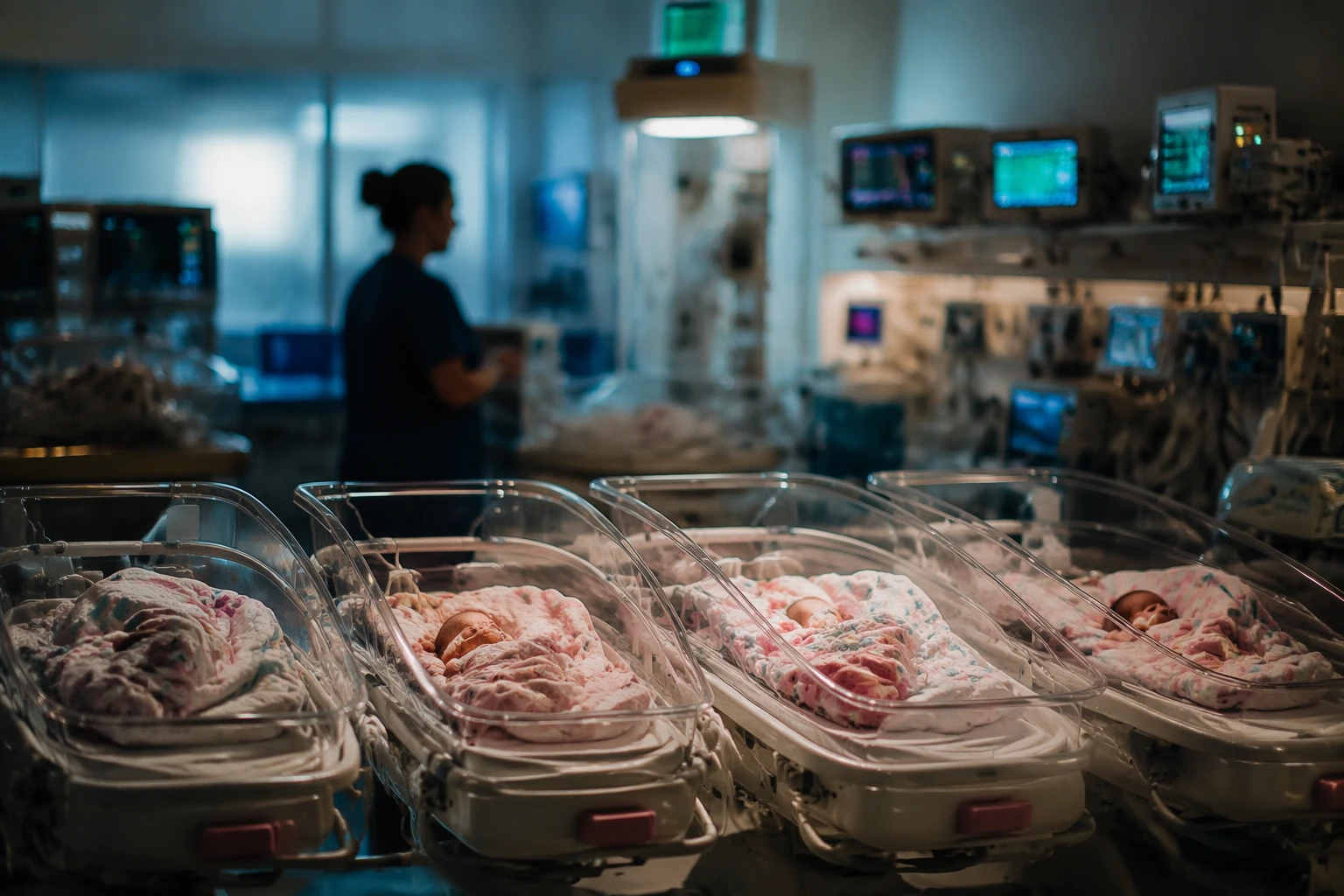
Identical quadruplets are among the rarest outcomes in obstetrics, and pregnancies involving four fetuses usually require months of specialist monitoring, with doctors watching for preterm labor, restricted fetal growth and delivery complications. In this case, the babies were born on 14 July 2026, well before full term, which meant the hospital team had to plan for an early delivery and immediate newborn support. BBC News showed the girls in the hospital nursery in incubators with breathing devices and wires, a reminder that even a successful birth can be followed by a prolonged period of close observation.
The care involved the kind of coordination that high-order multiple births demand from obstetricians, anesthesiologists, neonatal specialists and nurses, all working inside one of Queensland’s major maternity hospitals. Metro North Health highlighted the birth as an extremely rare set of identical girl quadruplets at Royal Brisbane and Women’s Hospital, and the babies remained in nursery care after delivery. The scale of the case places it squarely in the small category of pregnancies where modern maternal-fetal medicine can change what would once have been an almost unimaginable outcome.
The human demands are just as striking as the medical ones. Jenitar Na'amoana and Jortham Na'amoana already had four other children, so the birth instantly turned an already large household into one with eight children, including four newborns at once. News.com.au reported that the family’s story prompted a fundraiser, reflecting the cost of supplies, transport, feeding and the practical strain that arrives when one baby becomes four overnight.
Maternal-fetal medicine specialist Dr Alexa Bendall helped care for the mother and babies through the pregnancy, according to ABC News, and The Mercury reported that one of the girls was named Alexa after her. That detail underscored the long arc of the pregnancy, from early specialist oversight to an early caesarean birth, and then to the sustained work of keeping four premature newborns stable enough to come home.
Sources
- [1]apnews.com
- [2]metronorth.health.qld.gov.au
- [3]abc.net.au
- [4]abcnews.com
- [5]bbc.com
- [6]theguardian.com
- [7]news.com.au
- [8]rnz.co.nz
- [9]facebook.com
- [10]instagram.com
- [11]themercury.com.au