Lifestyle
Austria’s last bell makers blend tradition with modern technology
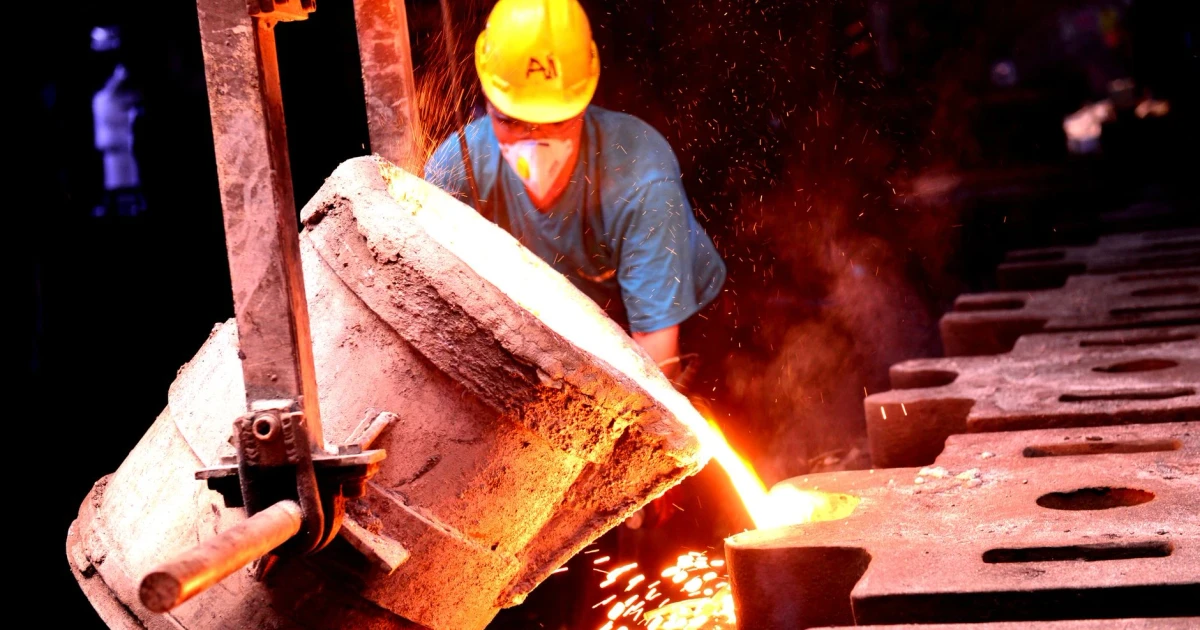
Grassmayr Bell Foundry in Innsbruck has endured by changing just enough to stay in business. The family workshop, founded in 1599 and still operating in Tyrol, now blends centuries-old bronze casting with modern tools that sharpen accuracy and efficiency without replacing the craft itself. In a European market that has long been reshaped by mass production, that balance has become the difference between survival and disappearance.
A foundry built for continuity
Grassmayr is one of the last surviving bell foundries in Europe, and its history runs deep enough to be measured in generations rather than business cycles. Background sources trace the foundry to Bartlmä Grassmayr and say the same family has run it for 14 generations, with bells cast there since 1599. A 2021 wocomoCULTURE video description called it the oldest Austrian family business, a claim that matches the foundry’s long public identity as both a working workshop and a heritage site.
That continuity matters because bell making is not an ordinary metal trade. The process demands careful calibration, a strong feel for materials, and the ability to produce a sound that is both technically precise and culturally expected. Once a craft like that loses its local base, the know-how can vanish quickly, along with the apprenticeships and specialist labor needed to pass it on.
How technology fits inside the tradition
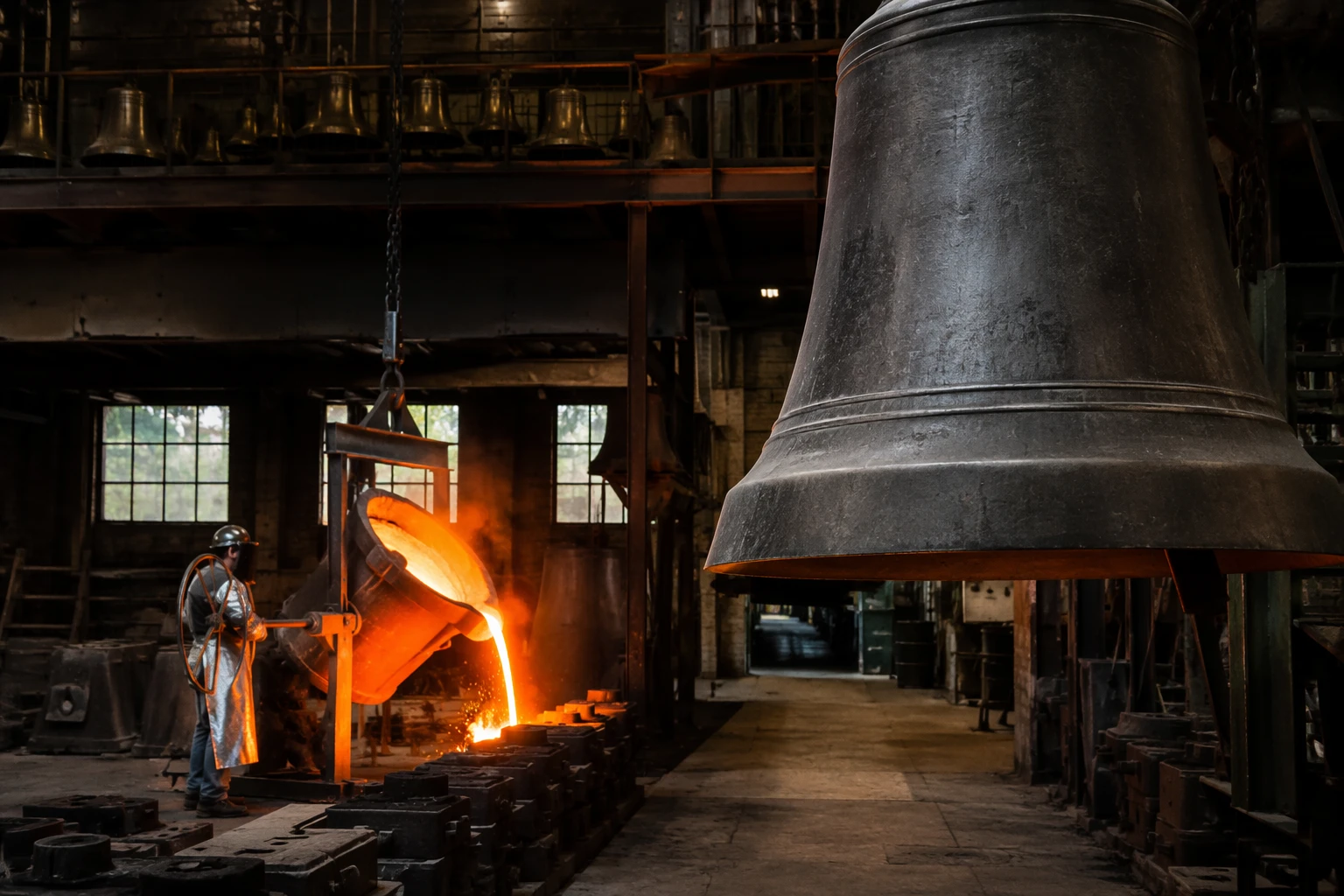
The modern side of the foundry is not an add-on for marketing. The 2021 video description says Grassmayr combines traditional craftsmanship with scanning, lasers, computer tools and 3D printing, while also competing with international rivals and cheap bell-production companies. Those tools help the workshop measure, model and refine work that still depends on bronze, fire and human judgment.
That kind of modernization changes labor without erasing it. Digital scanning can improve measurement, lasers can support precision work, and computer-based tools can help artisans plan shapes and tolerances before metal is poured. The result is a more controlled process, but the output still depends on workers who understand how a bell should look, ring and hold up over time.
AP photo captions from July 17, 2026 showed that work in practice: Anto Bastianovic was identified in one image at the foundry, while Mathias Rentzsch appeared in another securing a bracket on a bell. Other images showed workers polishing bells, casting bronze bells and using a melting furnace, underscoring how the shop remains a hands-on manufacturing space rather than a preserved relic.
Why the bells still travel far beyond Innsbruck
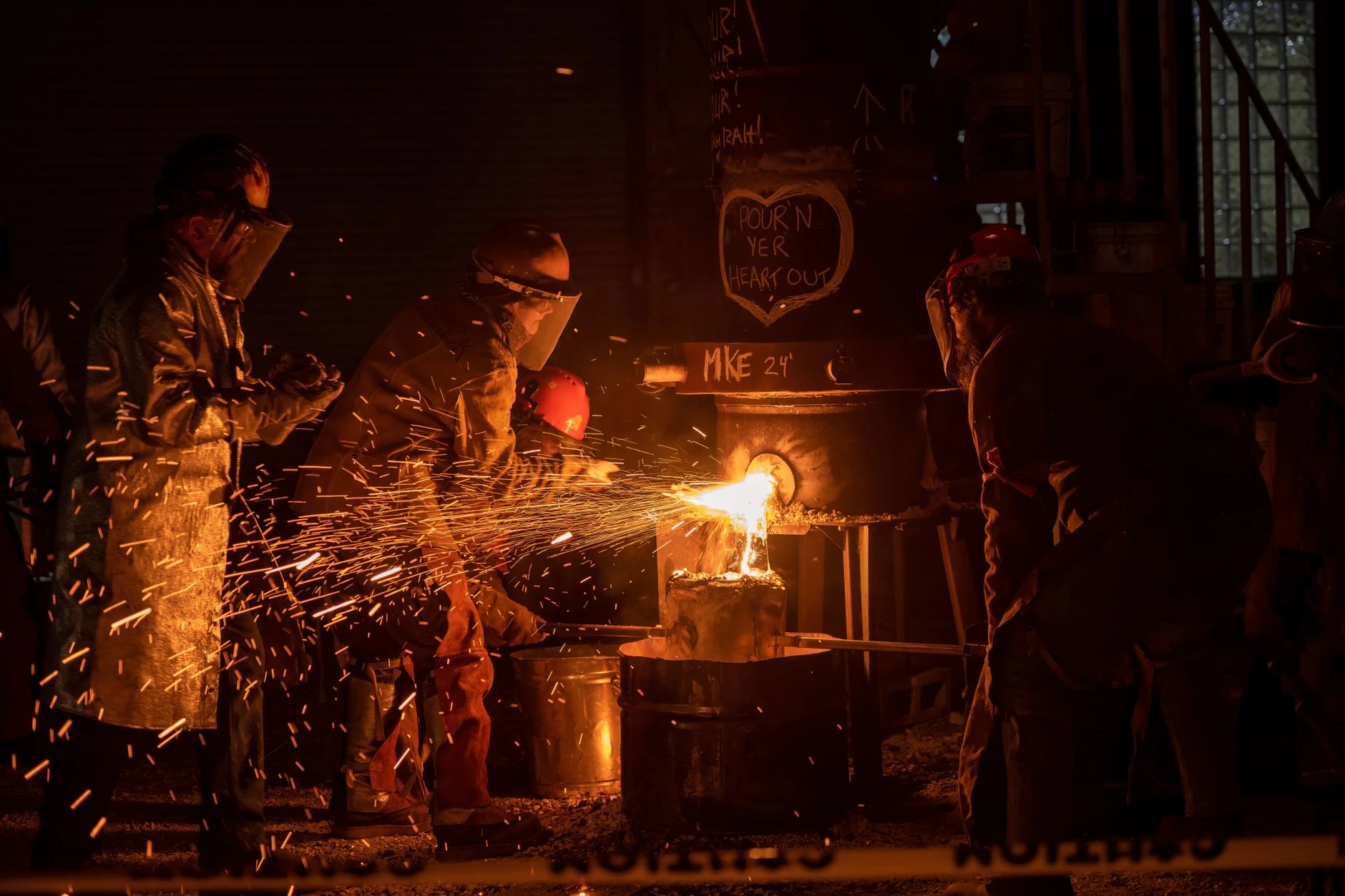
Grassmayr’s bells are tied to religious, civic and cultural life far beyond Austria. AP-related summaries say the foundry has been casting massive bells for churches and cathedrals around the globe for more than 400 years. Another source says it has produced bells for eight different religions and exported to more than 100 countries worldwide, evidence that a specialized craft can still serve a global market when it adapts to different needs.
That reach also explains why preservation is not only sentimental. Bells remain part of worship, commemoration and public ritual, and each one carries artistic and symbolic weight. A foundry that can satisfy those demands keeps alive not just a manufacturing line but a set of uses that mass production cannot fully flatten into generic objects.
A local industry with tourism and cultural value
Grassmayr’s survival has also made it part of Innsbruck’s cultural economy. Tourism sources describe the foundry as a visitor attraction and museum site, which means the business functions as both a producer and a public-facing institution. That dual role helps preserve rare skills while also giving the city a living link to a craft that has shaped its identity for centuries.
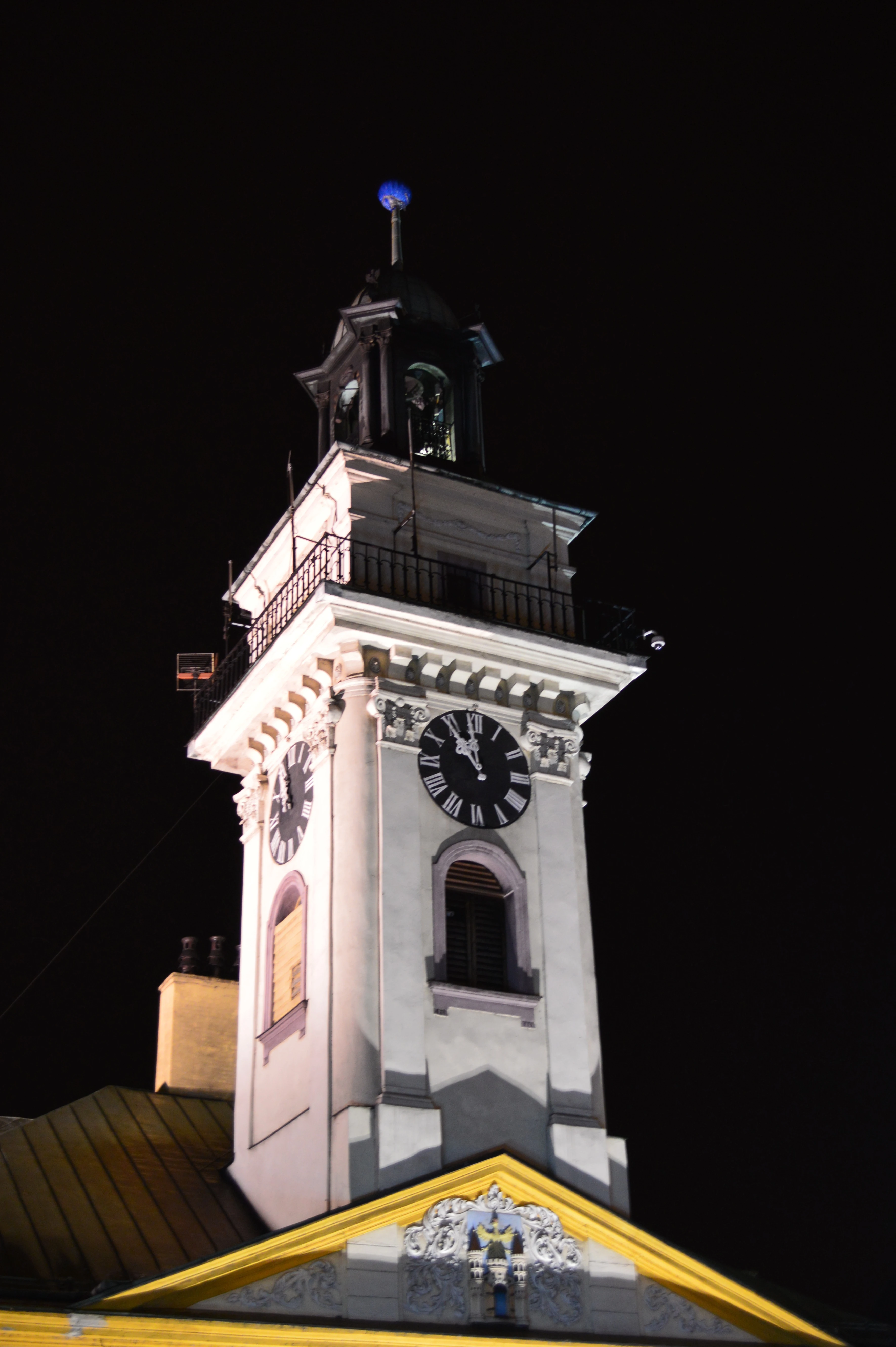
The economic logic is straightforward. A workshop that can attract visitors, sell specialist products and maintain a reputation for quality has more room to preserve labor-intensive methods than one forced to compete only on volume. In that sense, technology is not replacing tradition at Grassmayr, but helping subsidize it through better precision, broader markets and a stronger story around the product.
What this survival model shows
Grassmayr’s approach offers a concrete model for other heritage industries facing the same pressure. Some traditional makers try to resist change completely and get priced out of the market; others modernize so aggressively that the craft becomes hard to recognize. Grassmayr has chosen a middle path, keeping the metalworking knowledge, family succession and artistic identity intact while using newer tools to make the work more exact and commercially viable.
That choice has broader implications for labor and community life. It preserves skilled jobs that cannot easily be outsourced, keeps rare technical knowledge in one place, and gives younger generations a reason to learn a craft with real cultural weight. More than four centuries after bells first sounded from the foundry in Innsbruck, its future now depends on whether that mix of hand skill and technology can keep sounding as one.
Sources
- [1]apnews.com
- [2]abcnews.com
- [3]youtube.com
- [4]innsbruck.info
- [5]ski-plus-city.com
- [6]whichmuseum.com
- [7]en.wikipedia.org