Technology
Autnmy AI launches real-time rankings for self-driving companies
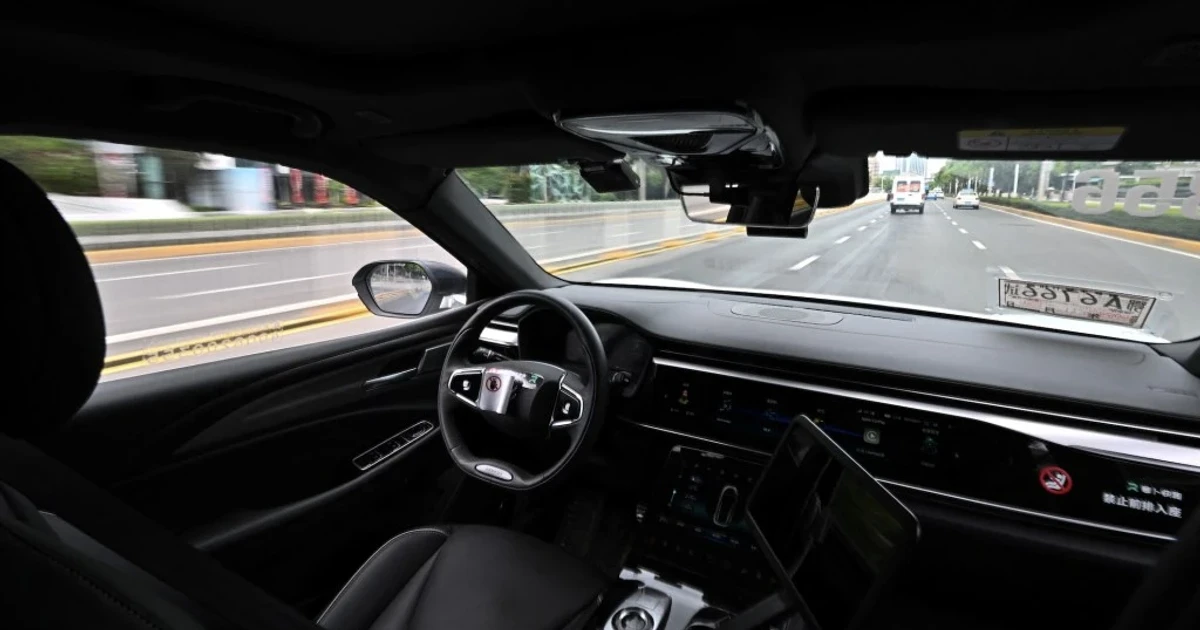
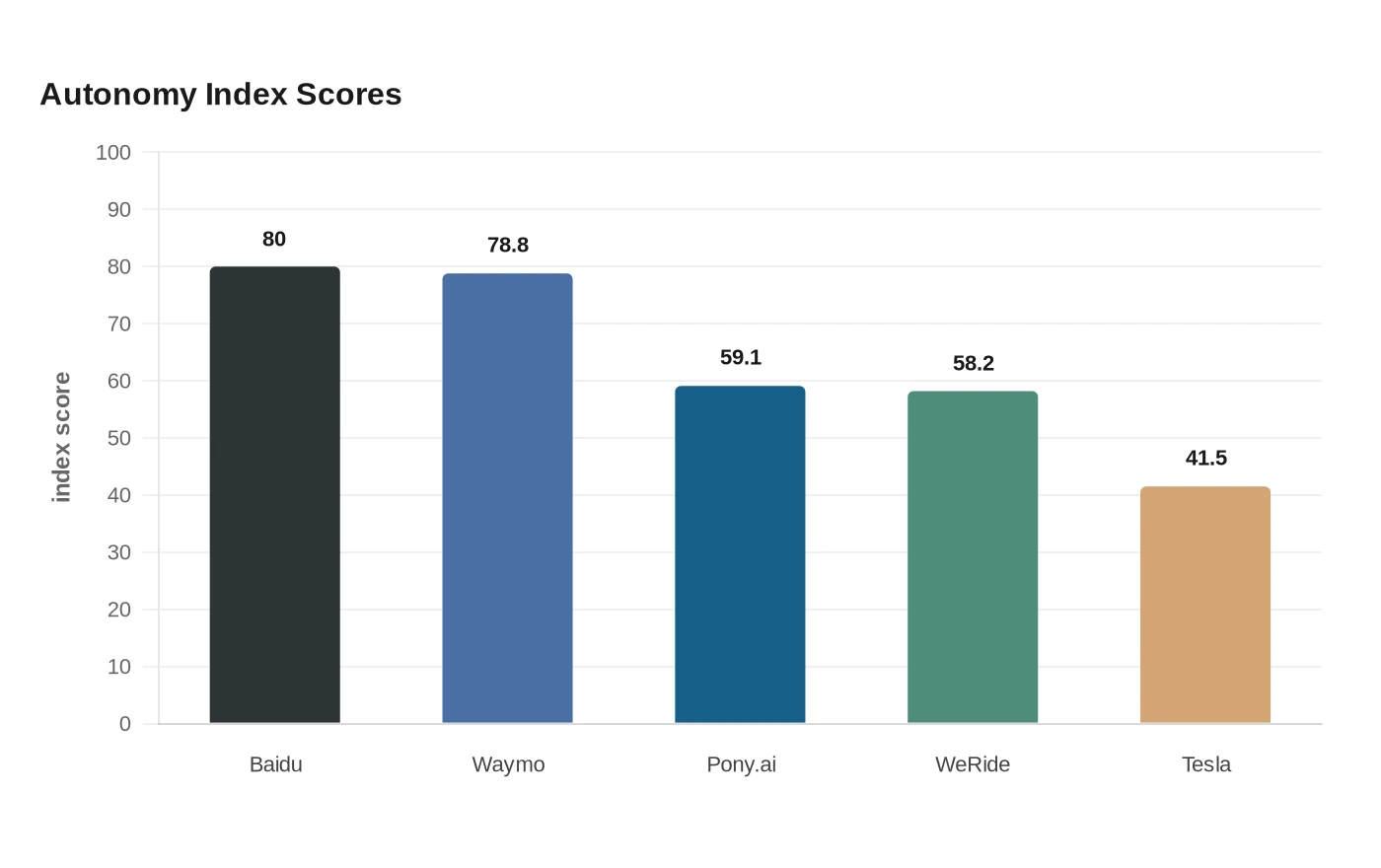
China’s Baidu Apollo Go has edged past Waymo in a new real-time ranking of self-driving companies, a signal that the U.S. race for robotaxi leadership is becoming harder to call. Autnmy AI’s Road to Autonomy Index puts Baidu Apollo Go at 80.0 and Waymo at 78.8, with Pony.ai at 59.1, WeRide at 58.2 and Tesla at 41.5.
The benchmark updates every 12 hours and scores companies on operations, scale, revenue, commercial partnerships, manufacturing and safety record. It covers four categories: robotaxis, autonomous driving licensing companies, autonomous trucks and delivery bots. Rob Grant, a co-founder of Autnmy AI, said the system is built on public and licensed material, not open-ended scraping. “We agreed early on, we don’t scrape information,” he said. “If it’s publicly available or if it’s available under a Creative Commons license, we will use that information. We do have some license data that we pay folks for, and under that agreement too.”
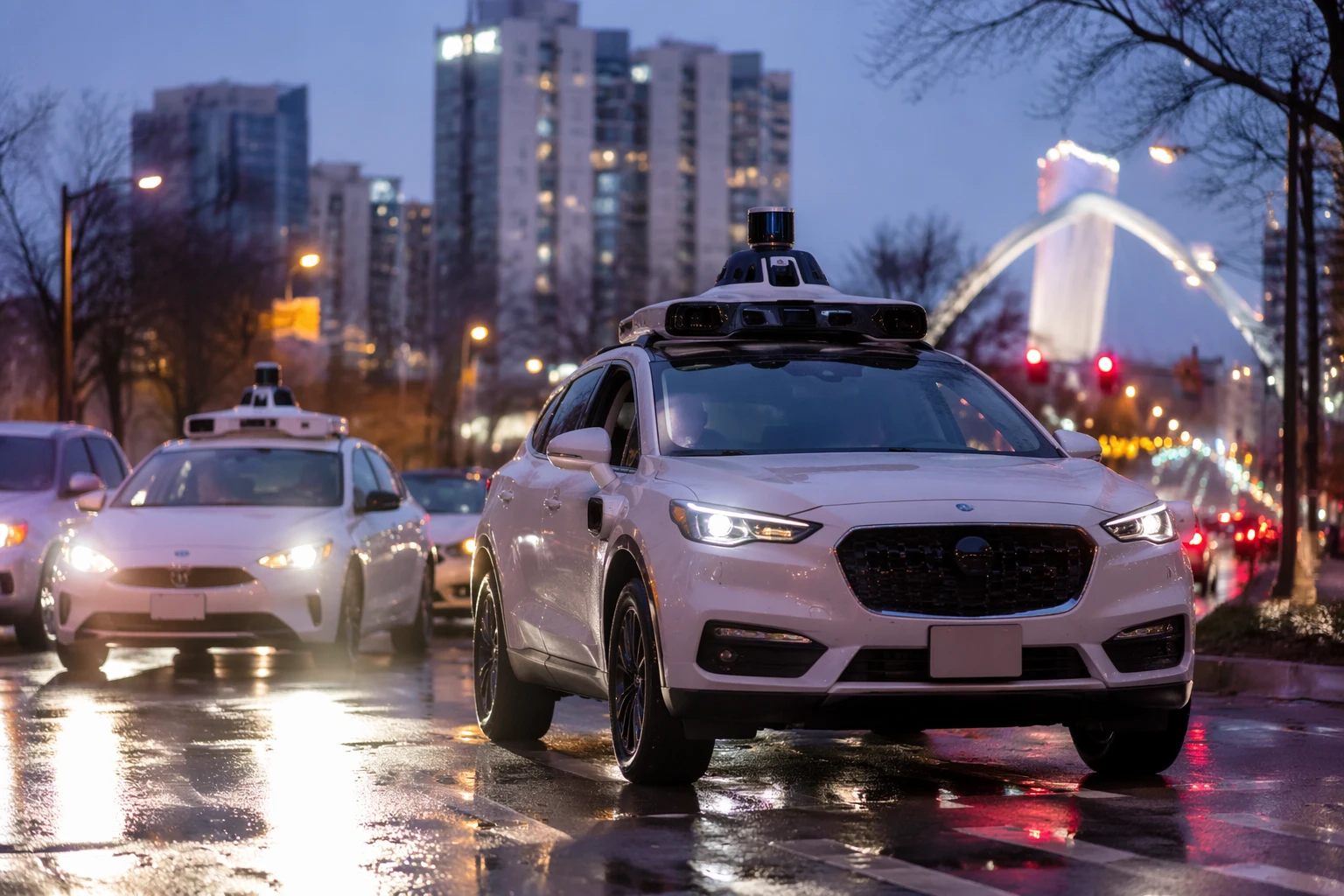
The early results are striking because they show how much of the competitive field is now concentrated in China. Axios reported that Waymo still leads the robotaxi category in the broader database view, but the next three positions are held by Chinese companies, underscoring how quickly China has moved from testing to commercialization. For U.S. policymakers and transit planners, that matters beyond branding or investor bragging rights. If Chinese firms continue to scale faster, the consequences could reach across supply chains, software development, hardware manufacturing and the standards that govern how autonomous vehicles operate on public roads.

The ranking also lands as regulators tighten the screws in the United States. Texas began enforcing commercial automated vehicle requirements on May 28, 2026, requiring operators to maintain active authorization from the Texas Department of Motor Vehicles. The state’s public lookup page and complaint system have become one of the few windows into fleet activity, making Texas an important test case for transparency and enforcement as robotaxis move from pilot programs to commercial service.
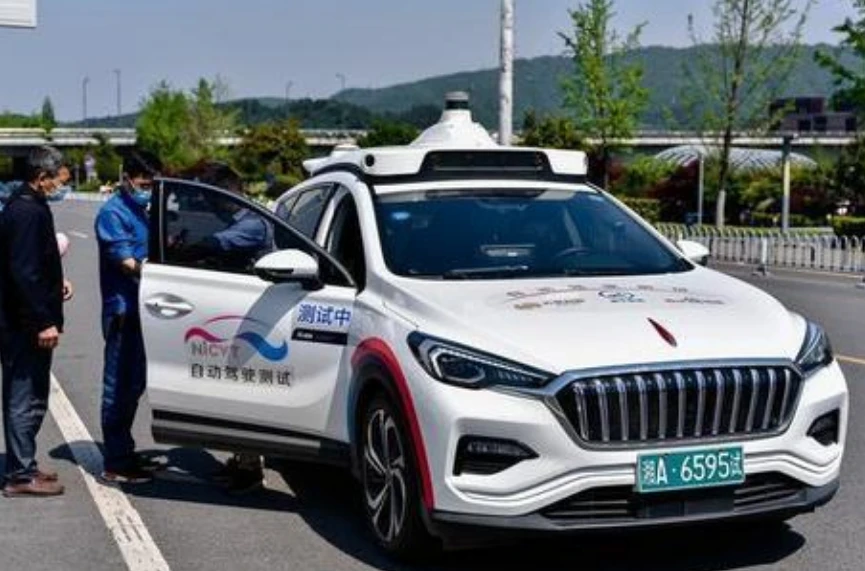
Waymo’s own safety record has added urgency to the discussion. The company recalled nearly 4,000 robotaxis on June 18 after identifying at least 13 instances in which vehicles entered or risked entering highway construction zones, and it paused freeway robotaxi operations while it works on the problem. Together, the index, the Texas disclosure regime and Waymo’s recall point to a more mature phase of autonomous mobility, one where deployment speed, public oversight and safety performance are now being measured in real time.