US News
B-52 crashes at Edwards Air Force Base, all eight aboard killed
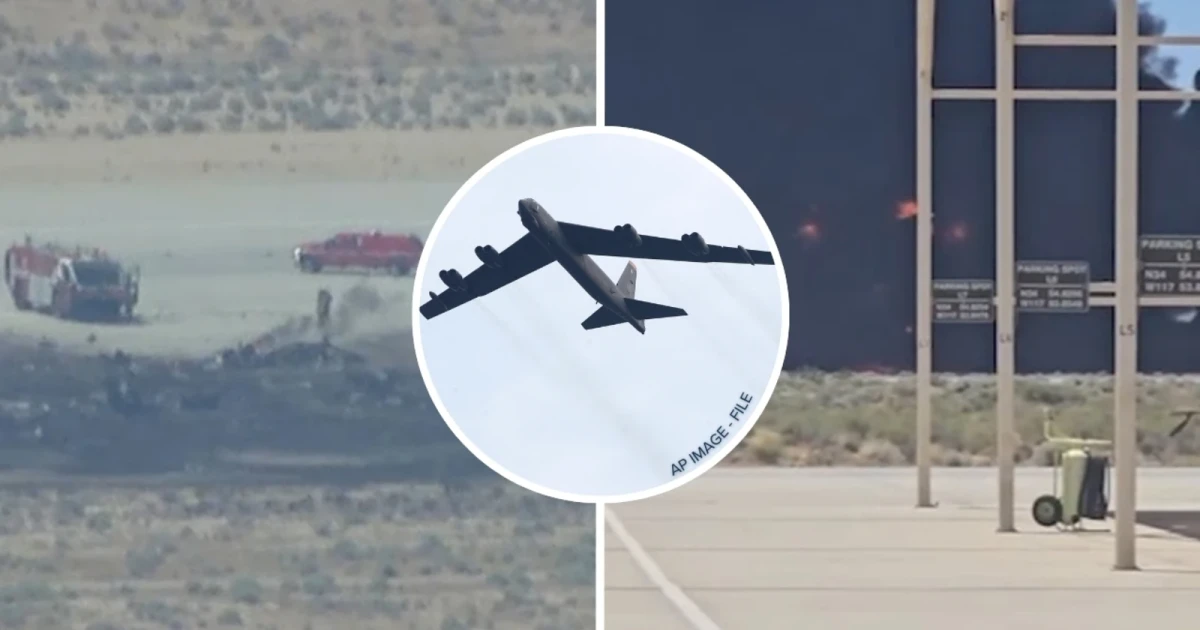
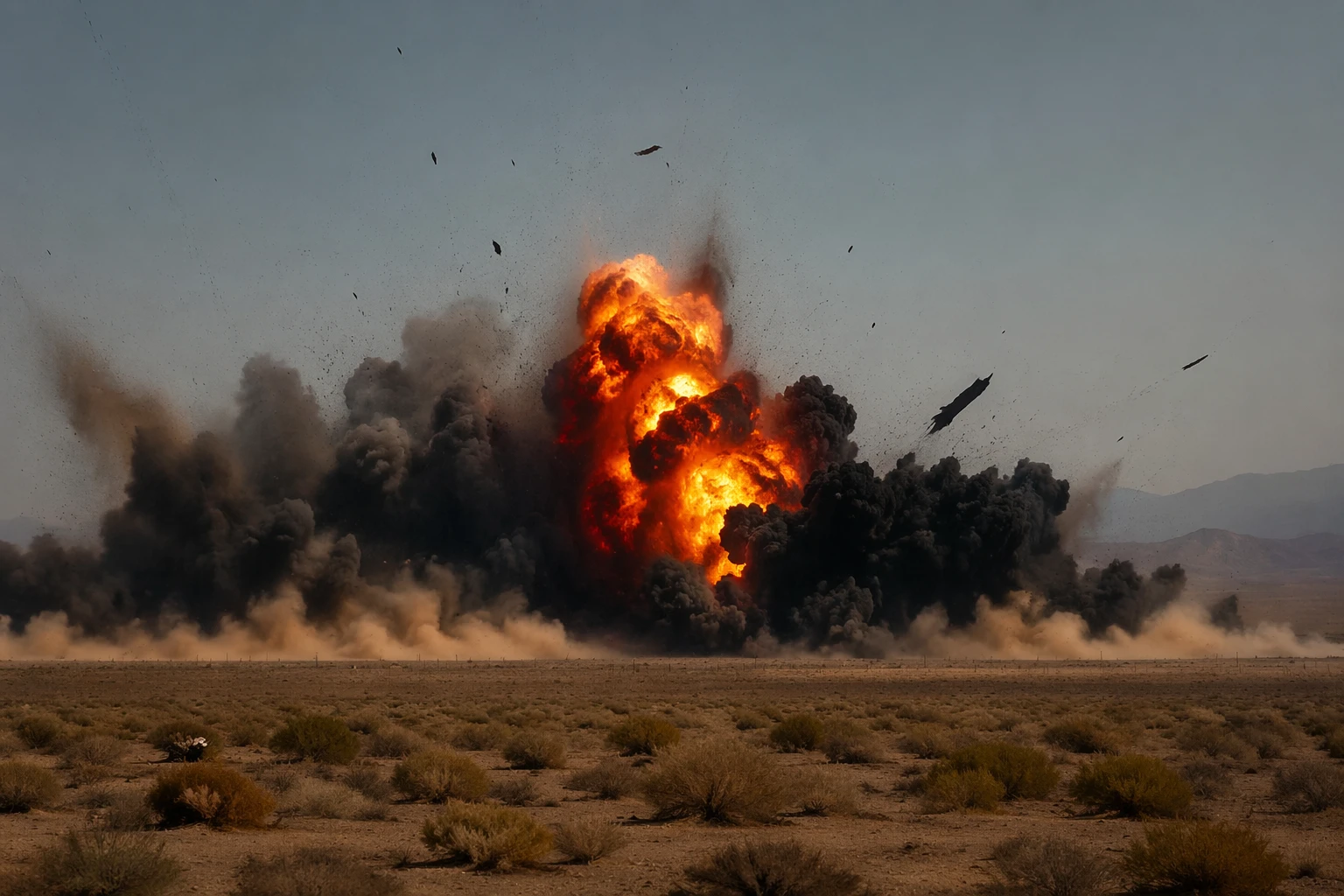
A B-52 Stratofortress crashed moments after takeoff at Edwards Air Force Base, killing all eight people aboard and putting fresh attention on one of the oldest aircraft still carrying the weight of U.S. airpower. The bomber went down at 11:20 a.m. PDT during a routine test mission in Kern County, California, and initial indications pointed to a crash that was not survivable.
Emergency crews rushed to the scene as smoke rose over the Mojave Desert base northeast of Lancaster. Officials said the aircraft was under investigation, and a news conference was scheduled for 4:15 p.m. PDT as commanders began piecing together what happened in the seconds after liftoff. Later reports said all eight people aboard were killed or presumed dead.
Col. James Hayes, deputy commander of the 412th Test Wing at Edwards, said, “Today, Edwards Air Force Base experienced a horrible tragedy and we lost eight great Americans.” Air Force Secretary Troy Meink said the service mourned the loss and honored the work of the Airmen, civilians and contractors involved in the mission.
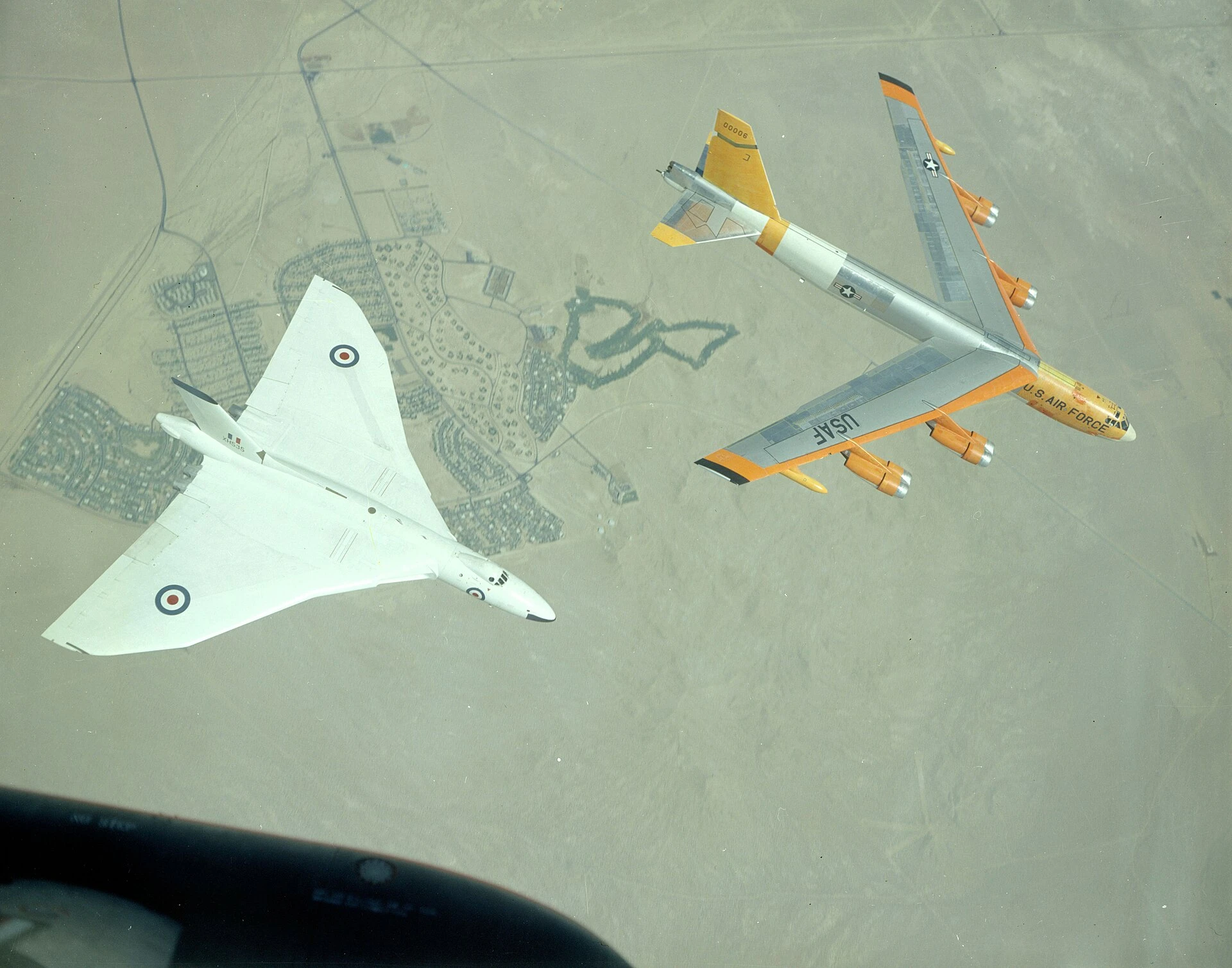
The crash lands in the middle of a broader question the Air Force has been confronting for years: how long can the B-52 keep flying while the service waits for replacement systems and modernization programs to catch up? First flown in 1952, the Stratofortress is a relic by any ordinary standard, yet it remains a pillar of the nation’s long-range strike force. A 2013 Los Angeles Times data graphic put the active U.S. inventory at 76 aircraft and projected they would remain in service until 2040.
That longevity has come at a cost. The bomber fleet has absorbed more than 30 major modifications over the decades, a patchwork of upgrades that has kept the aircraft relevant but also dependent on constant maintenance and sustained funding. Each mishap raises the same operational concern: a force built for Cold War deterrence is still being asked to project power in a modern, high-tempo environment.
The aircraft involved was assigned across the 5th Bomb Wing at Minot Air Force Base in North Dakota, the 2nd Bomb Wing at Barksdale Air Force Base in Louisiana, and the Reserve Command’s 307th Bomb Wing at Barksdale, underscoring how deeply the B-52 remains woven into the Air Force Global Strike Command mission. The bomber’s endurance has made it indispensable to nuclear deterrence and conventional strike planning alike, but the Edwards crash is a stark reminder that every year the fleet flies adds strain to an already aging arsenal.
Sources
- [1]news.google.com
- [2]edwards.af.mil
- [3]latimes.com
- [4]abcnews.go.com
- [5]airandspaceforces.com
- [6]cnbc.com
- [7]airforcetimes.com
- [8]graphics.latimes.com
- [9]apnews.com