Politics
Badenoch calls Phillipson a spiteful class warrior in Commons row
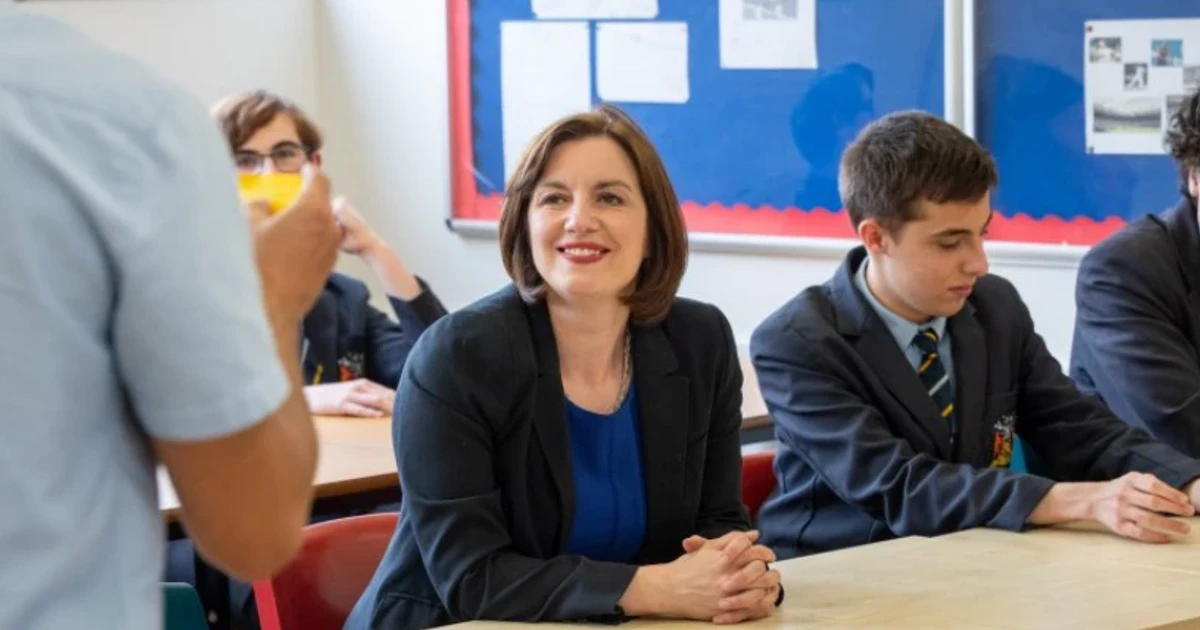
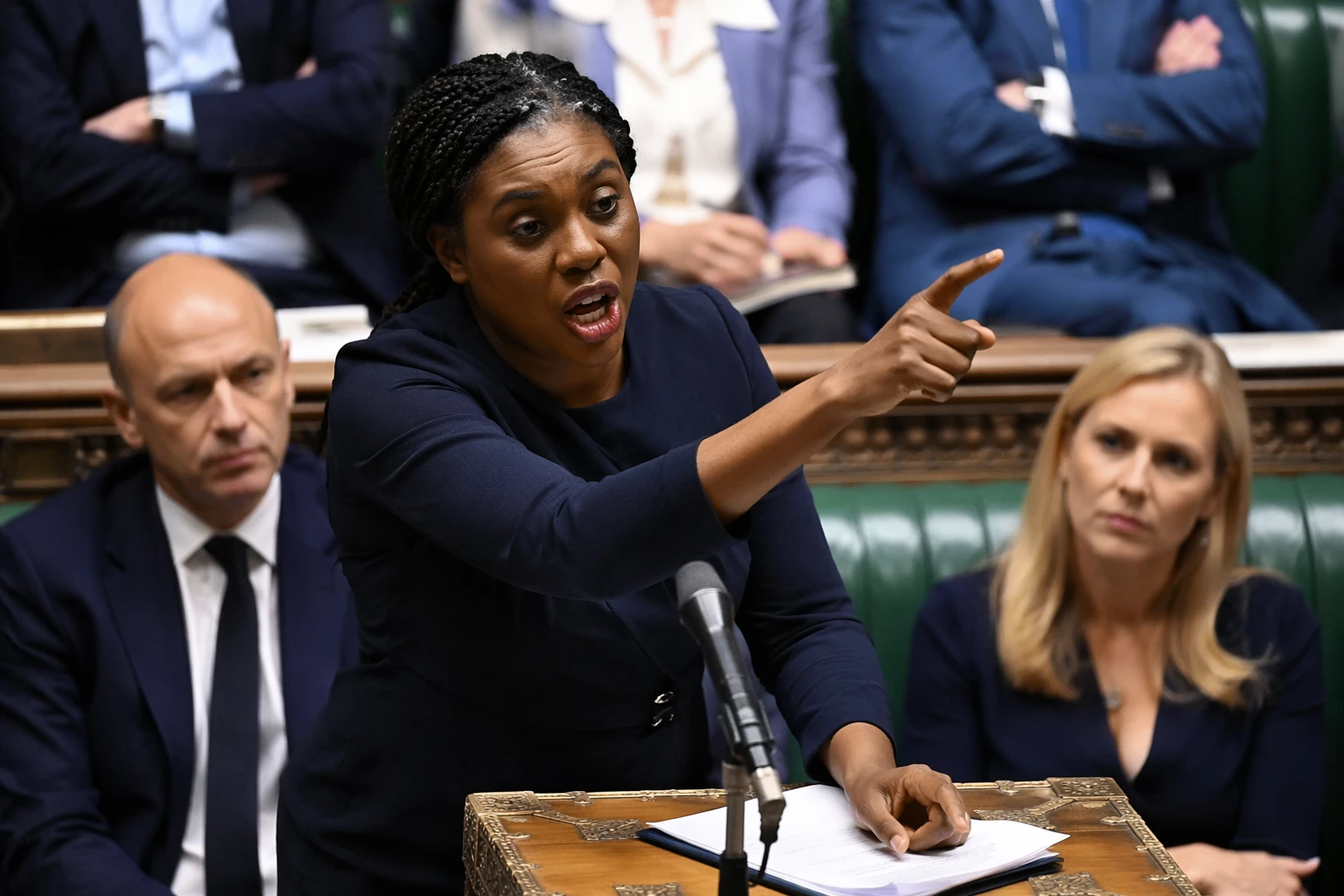
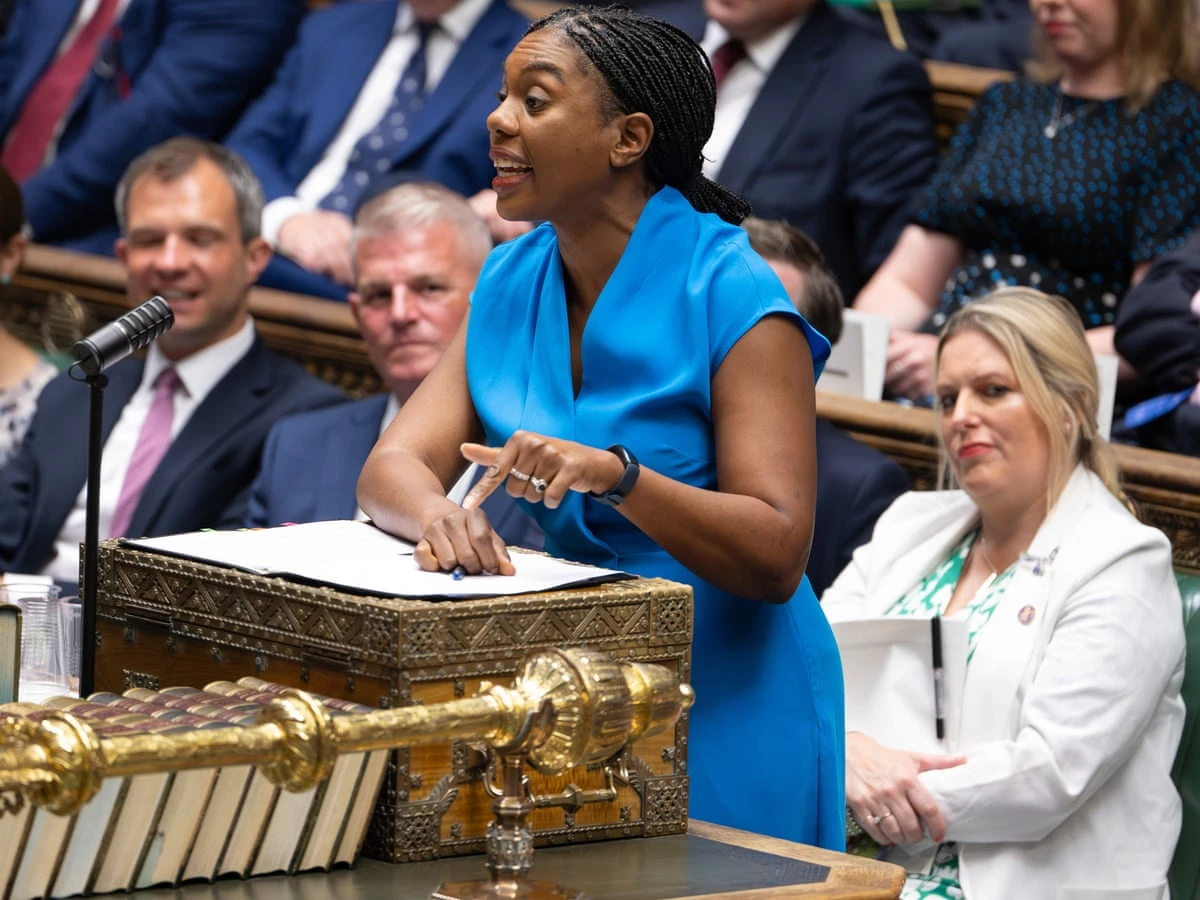
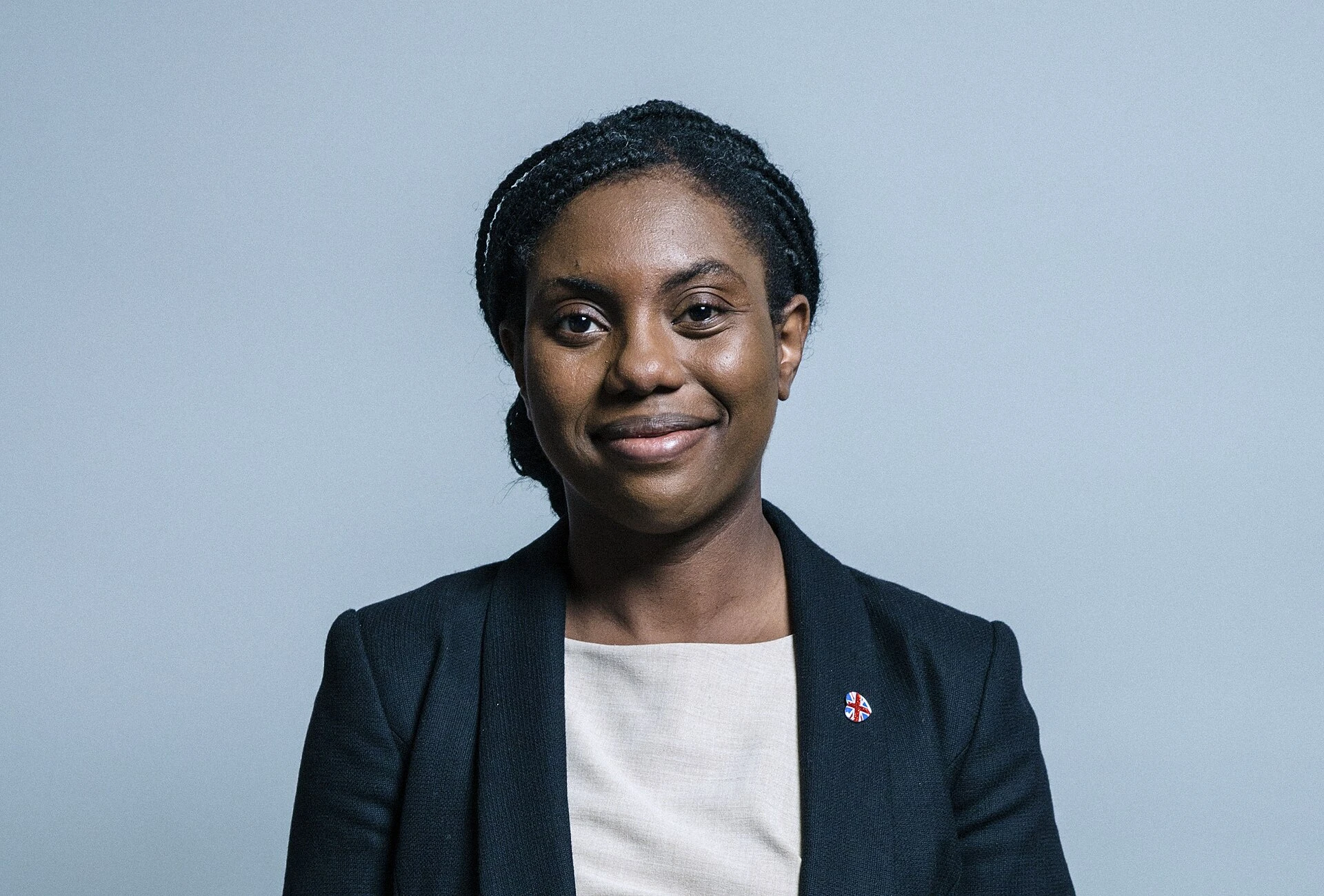
Kemi Badenoch ignited a Commons row at Prime Minister’s Questions on Wednesday, June 24, 2026, when she branded Education Secretary Bridget Phillipson a “spiteful class warrior” while attacking Labour’s decision to add VAT to private school fees. Badenoch also argued that the policy had not increased teacher numbers, sharpening the exchange into a fight over class politics as much as schooling.
Speaker Lindsay Hoyle was later said to have reprimanded Badenoch during the session, but the row did not end when MPs left the chamber. In the Commons lobby afterwards, Phillipson and Labour colleague Liz Kendall confronted the Conservative leader, and Badenoch stood by her remarks.
Phillipson used a BBC Radio 4 Today programme appearance on Thursday, June 25, 2026, to answer in kind. She said she would wear the phrase on a T-shirt and would wear it with pride if it meant helping lift half a million children out of poverty. She also said Badenoch had previously compared her to a Gestapo officer, and accused the Tory leader of “losing her head” and of “sinking lower and lower” in the Commons and on social media.
The Labour frontbencher’s response kept the argument focused on what Labour says its school tax policy is for: funding state education and backing measures aimed at reducing child poverty. That framing collided directly with Badenoch’s claim that Labour’s approach is class politics dressed up as reform. Conservative chairman Kevin Hollinrake later defended Badenoch’s language, calling Labour’s education reforms “class warfare.”
The clash exposed how education has become a proxy battleground ahead of the next national political cycle. Labour is trying to present the VAT change on private school fees as a redistribution measure that supports children in state schools, while the Conservatives are casting it as a divisive attack on aspiration and independent education. In Westminster, the exchange showed how quickly that argument can turn from policy into personal combat.
Sources
- [1]bbc.co.uk
- [2]independent.co.uk
- [3]telegraph.co.uk
- [4]lbc.co.uk
- [5]order-order.com
- [6]gbnews.com
- [7]hansard.parliament.uk