US News
Bald eagle remains enduring symbol of the United States
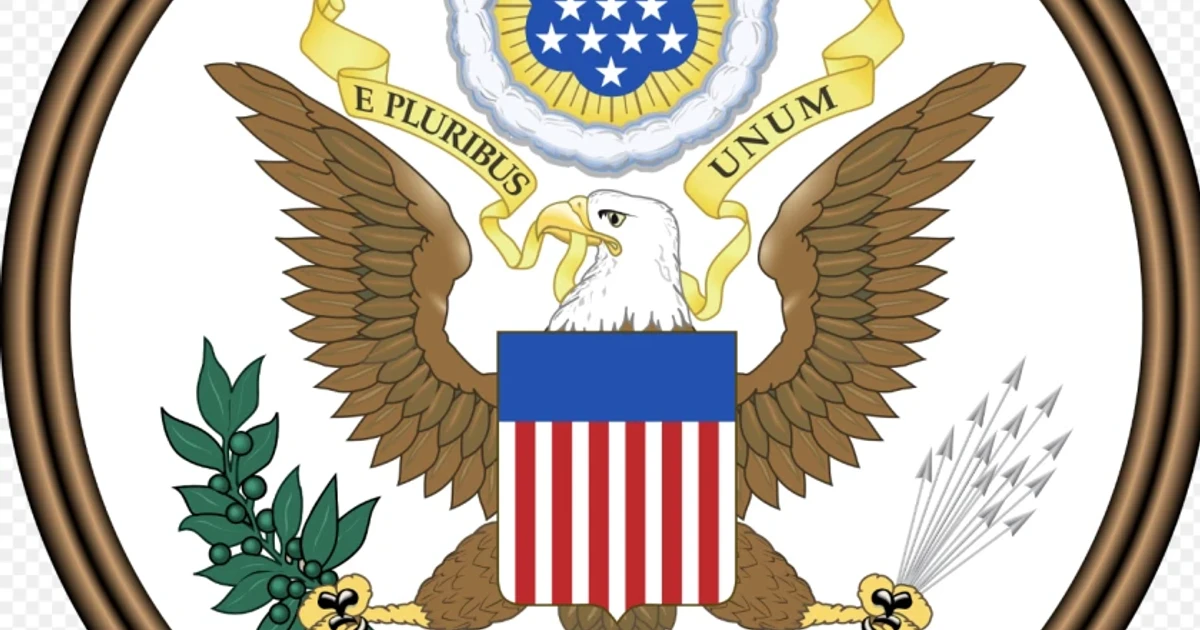
The bald eagle’s comeback is more than a wildlife story. It is a rare bipartisan conservation success, built on federal protection, a DDT ban, and the long patience required to let habitat recover after years of damage. The bird that sits atop American emblems now stands as proof that policy can pull a species back from the edge, but it also raises a harder question: what new threats could still reverse that progress?
A symbol forged through debate
The bald eagle has represented American spirit since 1782, when the Continental Congress chose it for the Great Seal of the United States. The seal was officially adopted on June 20, 1782, after more than three committees and six years of debate over a national emblem that could reflect both independence and the hopes of a new nation. That drawn-out process mattered because the seal was never just decoration. Its obverse is used to authenticate the president’s signature and appears on proclamations, warrants, treaties and commissions of high officials of the government.
That history helps explain why the bird remained so powerful in public life. Once the eagle entered the seal, it quickly spread into patriotic art and imagery, becoming one of the most familiar national symbols in the country. The National Archives describes the Great Seal as a symbol of sovereignty, and that function still gives the bird a civic weight that few animals carry. It is at once a wildlife species and a piece of constitutional theater.
From national emblem to endangered species
The image of permanence hid a dangerous collapse. In the mid-1900s, the U.S. Fish and Wildlife Service says the bald eagle was in danger of extinction throughout most of its range. The decline was driven by habitat destruction and degradation, illegal shooting, and contamination of the bird’s food source, largely because of DDT.
Those pressures worked together. Habitat loss removed the nesting and hunting grounds eagles needed to survive, while shooting directly cut into already fragile populations. DDT added a more invisible but devastating strain by poisoning the food chain and weakening reproduction. By the time the decline was fully recognized, the country’s emblem had become one of the clearest warnings that symbolic status does not protect a species from ecological failure.
Why the recovery worked
The turnaround came from policy, not sentiment. Federal protections, including the Endangered Species Act, gave the bird legal shelter at the same time that the banning of DDT reduced one of the most damaging threats to its survival. Those measures did not produce an instant rebound, and they were never meant to. They worked because they addressed the causes of decline rather than the image of decline.

That lesson still matters for conservation policy. When habitat protection is enforced and harmful chemicals are removed from the environment, species that appear to be in free fall can recover over time. The bald eagle’s rebound shows that the payoff from federal action can take years to appear, but when it does, it can be durable enough to restore not just a population but a national symbol.
What the eagle’s recovery says about conservation
The eagle’s recovery is often framed as a feel-good conservation victory, but its deeper significance lies in how ordinary the tools were. No single dramatic intervention saved the species. Instead, recovery depended on enforcement, science, and the slower work of reducing human pressure on the land and water the birds depend on.
That is why the story reaches beyond wildlife. Habitat protection is one of the most reliable public investments a country can make when it wants stable ecosystems, cleaner food chains and healthier communities over time. The bald eagle’s decline was tied to contamination and land-use damage; its recovery shows that environmental policy can correct both, if the political will lasts long enough to sustain it.
The risks that still matter
The bald eagle is no longer the species it was in the mid-1900s, but recovery does not mean immunity. Habitat destruction and degradation remain central threats in the U.S. Fish and Wildlife Service’s account of what once decimated the population, and those pressures do not disappear just because the bird has become a success story. As development expands and landscapes change, the same basic vulnerabilities can reappear in new form.
Illegal shooting also reminds conservationists that legal protection alone is not the same as safety. The eagle’s comeback depended on federal rules being real in practice, not just written on paper. That is the larger policy lesson in the bird’s survival: the United States can protect a species that once seemed destined for disappearance, but the result lasts only as long as the protection does.
The bald eagle endures because the country chose, belatedly and then decisively, to defend the conditions it needs to live. Its presence on the Great Seal has never been just ceremonial; today, it also marks what happens when habitat protection, federal law and long-term stewardship finally work together.
Sources
- [1]cbsnews.com
- [2]archives.gov
- [3]visit.archives.gov
- [4]fws.gov
- [5]si.edu