US News
Ballroom Commission Alters Records Following White House Request
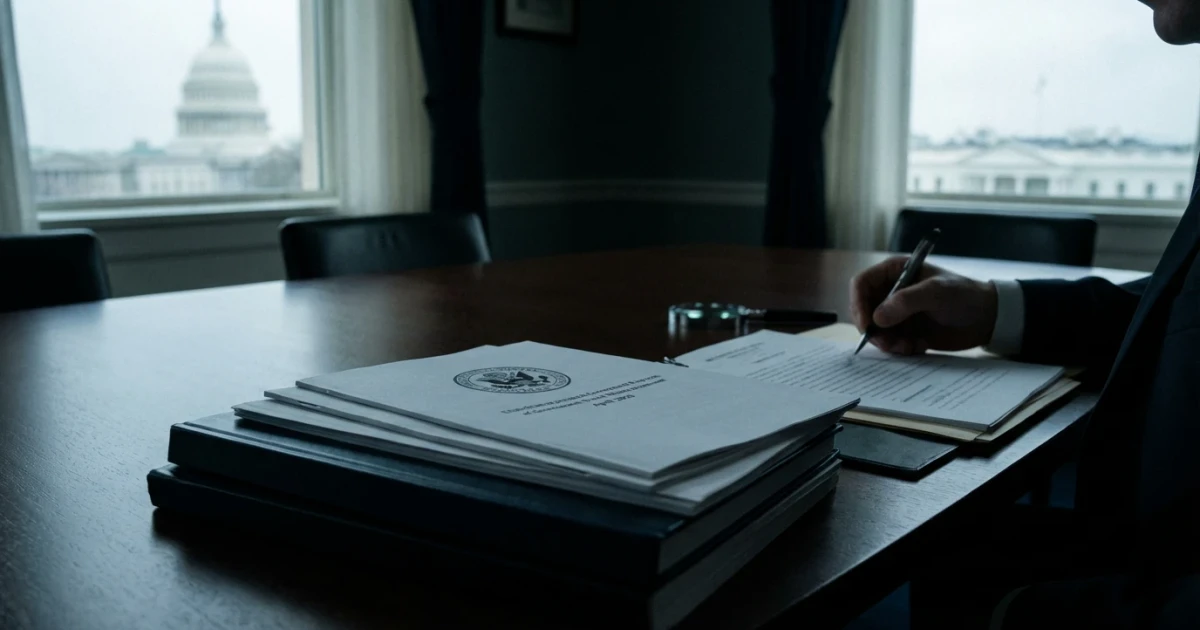
Official documents maintained by the federal ballroom commission were changed after a formal request from the White House, The Washington Post reported. The move has brought renewed attention to federal oversight of government records and the processes by which public documents are amended.
White House Request Leads to Document Changes
According to The Washington Post, the ballroom commission—tasked with overseeing the use and maintenance of government ceremonial spaces—altered several official records after receiving a directive from White House officials. While the specific documents or the nature of the changes were not detailed in the initial reporting, the development follows established procedures that allow executive agencies to request modifications to federal records. Readers can review the statutory guidelines and management practices for such records in the White House Records and Federal Register Laws and explore Federal Register Collection for documentation of historic amendments.
Oversight and Transparency in Government Record-Keeping
The decision to amend these documents at the executive branch's request is not unprecedented. Federal commissions regularly update records to reflect changes in policy, use, or security requirements, especially for facilities with high-profile ceremonial and national security functions such as presidential ballrooms. The Federal Real Property Profile maintained by the GSA provides detailed data on changes to federally owned properties, including amendments to official usage records and documentation following executive requests.
However, changes to official records—particularly those requested by the White House—are often scrutinized by oversight bodies and the public. Historians and open-government advocates point to the importance of transparent documentation to preserve the integrity of federal records. The National Park Service’s White House Historical Documentation underscores the long tradition of recording alterations and uses of key government spaces, ensuring accountability and historical continuity.
Implications for Public Access and Accountability
- Amendments to government records can affect public understanding of how federal properties are used and managed.
- Changes at the request of the executive branch are recorded in the official legislative and regulatory record, ensuring legal compliance but sometimes sparking debate over transparency.
- Updates to documentation are typically reflected in publicly accessible databases, where interested parties can track modifications and administrative actions.
While the immediate impact of the ballroom commission’s changes remains to be seen, the incident highlights ongoing tensions between operational discretion for the executive branch and the public’s right to accurate, unaltered government records.
Looking Ahead: Calls for Greater Transparency
As the story develops, government watchdogs and historians are expected to seek additional information regarding the substance of the amendments and the process by which they were made. Recent statements from the White House, available through the White House’s official releases, reiterate the administration’s commitment to lawful procedures, though specific comment on this case was not immediately provided.
The evolving situation underscores the need for robust oversight and accessible public records, reinforcing the central role of transparency in democratic governance.