World
Baltic leaders warn Russia is trying to sabotage regional security

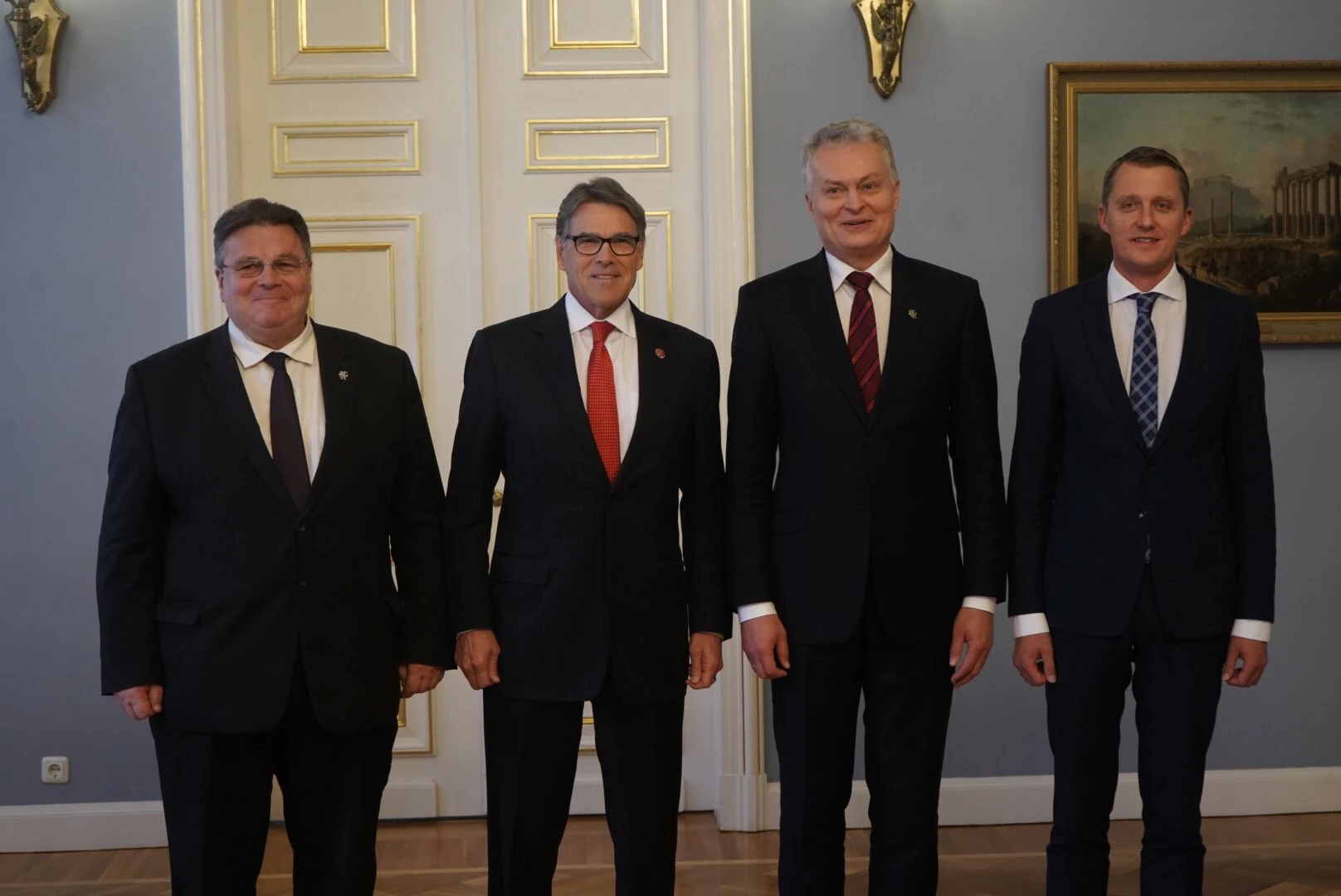
Latvia’s president said Russia has made a series of attempts to conduct sabotage and weaken security in Baltic countries, sharpening fears that Moscow is pressing NATO members with covert pressure as well as force. Edgars Rinkevics made the remarks in Vilnius alongside Lithuanian President Gitanas Nauseda, saying information from NATO member states, including Lithuania and Latvia, points to Russian efforts to destabilize the region.
Nauseda said Lithuania has intelligence that Russia is planning attacks on infrastructure, and he said he had no information on when or where the attacks were planned. The warnings do not identify a specific place or time because that is impossible to determine, he said, which underscores how sabotage in this context is designed to stay below the threshold of open conflict while still creating disruption, fear and economic strain.
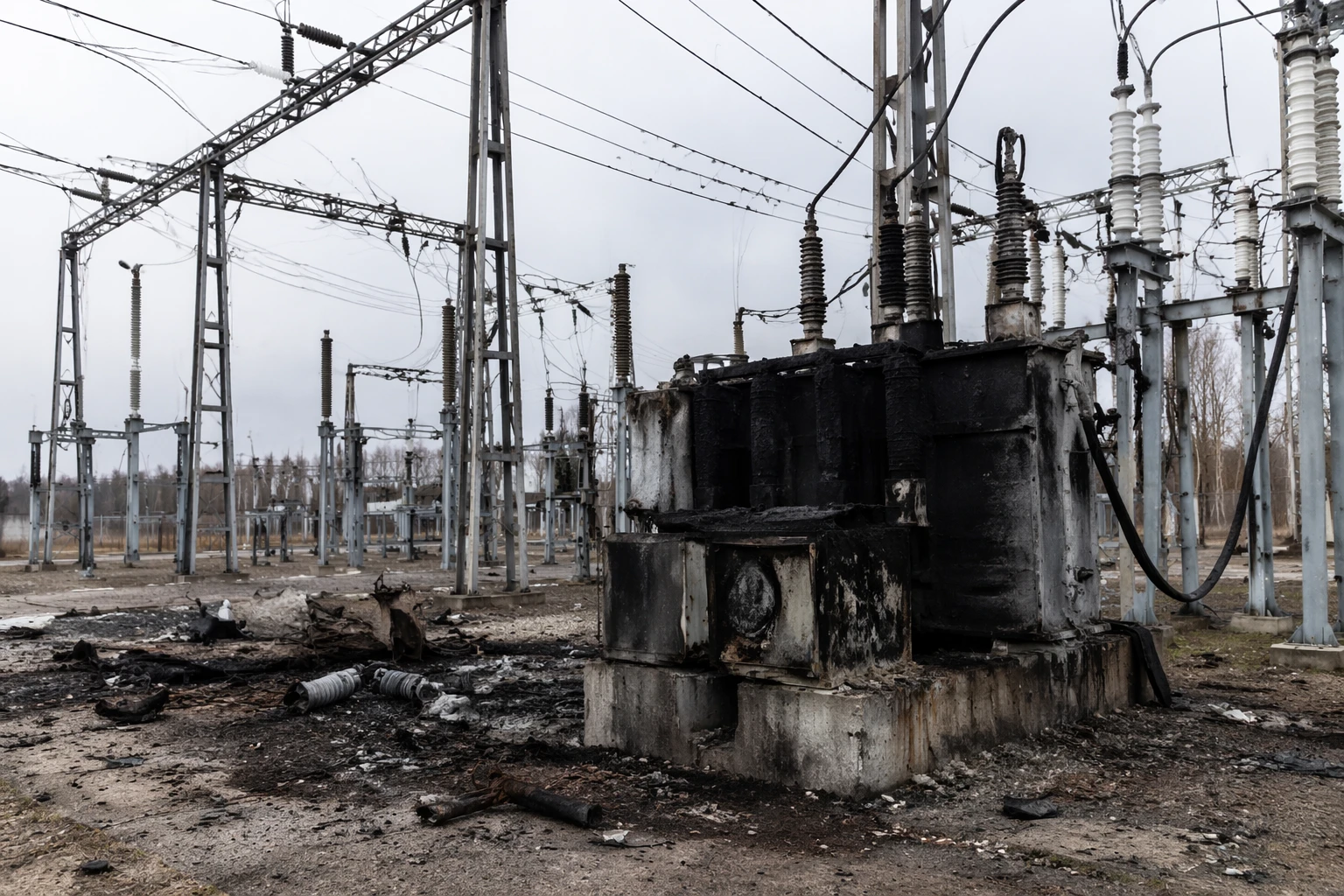
The likely targets are the kind that can rattle daily life without triggering a conventional battlefield response. Energy grids, rail links and transport hubs are attractive because they can interrupt supply chains, raise costs and make governments appear unable to protect essential systems. Lithuania is tightening security around energy and transport sites as a precaution, and it has already moved to deploy up to 30 troops to help guard strategic infrastructure.
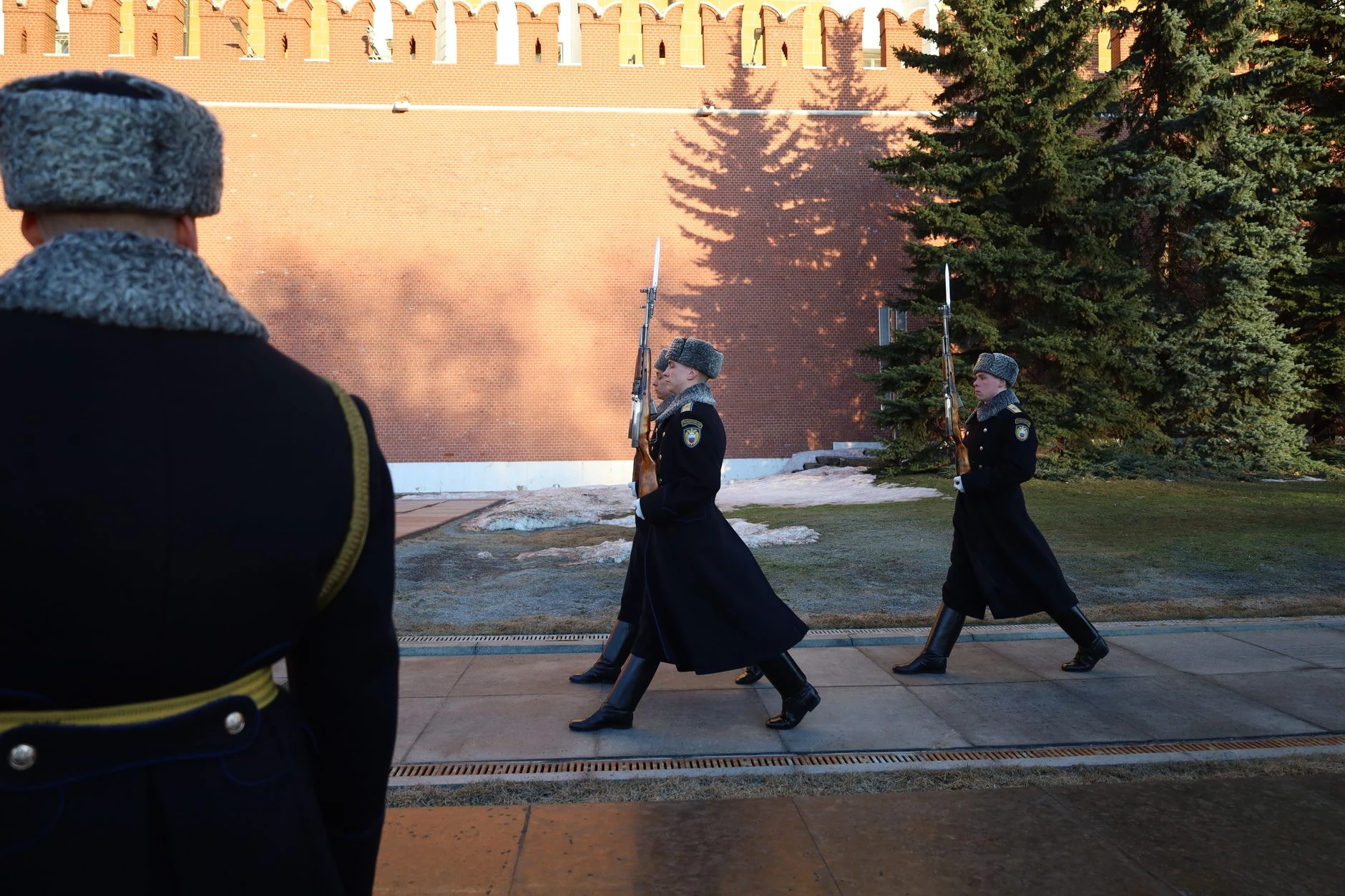
Those sites include the Klaipėda LNG terminal, the LitPol Link interconnection with Poland, a transformer substation in Alytus district, the Kruonis pumped-storage hydroelectric plant and the Klaipėda liquid energy products terminal. The choices show the logic of gray-zone pressure: strike at nodes that keep power, fuel and trade moving, and even a short disruption can have outsized political effects.

The Kremlin rejected the allegations and called them a pretext for militarisation against Russia, saying the claims are being used to justify building up NATO military infrastructure across the Baltic states. Moscow has denied carrying out or planning sabotage outside Ukraine, but the Baltic states have remained among the most vocal critics of Russian aggression since the full-scale invasion.
A CSIS analysis found Russian attacks in Europe nearly tripled between 2023 and 2024, after quadrupling between 2022 and 2023, with transportation, government, critical infrastructure and industry among the main targets. That pattern helps explain why Baltic governments are treating sabotage as a persistent security front, not a series of isolated incidents, and why intelligence sharing, infrastructure defense and rapid reinforcement are now central to NATO’s response.
Sources
- [1]usnews.com
- [2]lrt.lt
- [3]csis.org
- [4]yahoo.com