World
Bangladesh and India ease tensions as Dhaka deepens China ties
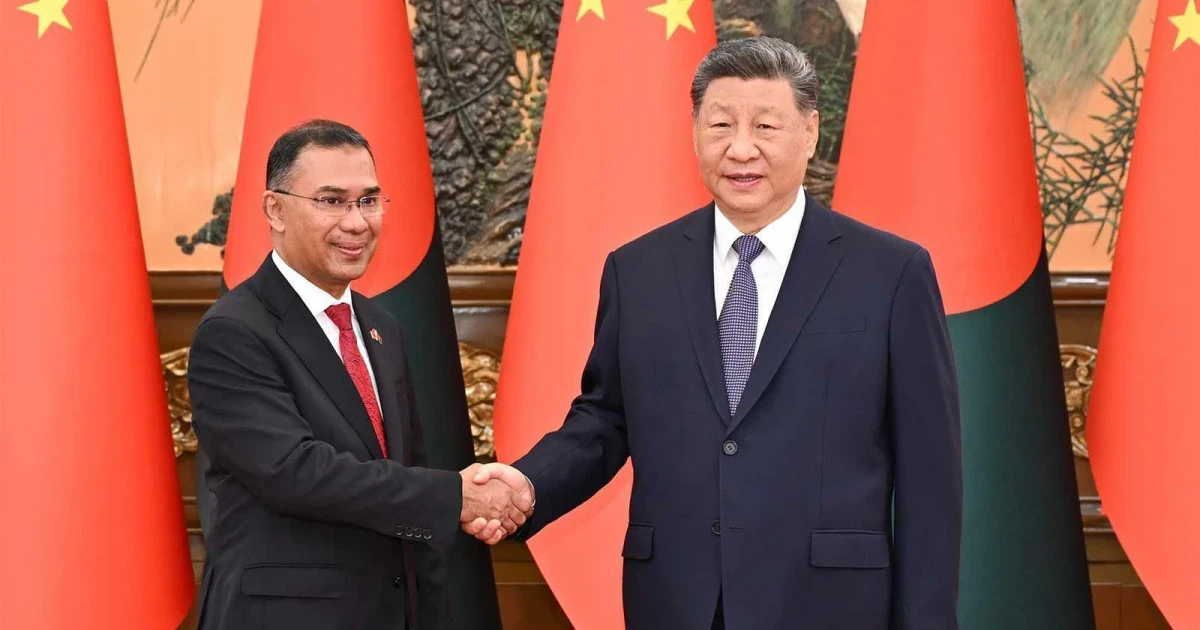
Bangladesh and India agreed on June 12, 2026, to deepen cooperation along their shared border with improved intelligence sharing and coordinated patrols, a fresh sign that Dhaka and Delhi were pulling back from the chill that followed Sheikh Hasina's ouster in August 2024. India’s resumption of tourist visas for Bangladeshi nationals added to the thaw, while officials in both capitals were preparing a series of meetings in May 2026 to reactivate bilateral mechanisms.
The reset has come after a sharp political turn in Dhaka. Sheikh Hasina resigned and fled to India in August 2024, and three days later an interim government led by Nobel laureate Muhammad Yunus was formed. Since then, Bangladesh has widened its foreign policy beyond the India-centric posture that defined the Hasina years, engaging more deeply with China, Pakistan, the United States and the European Union while pressing for a broader reordering of ties with New Delhi.
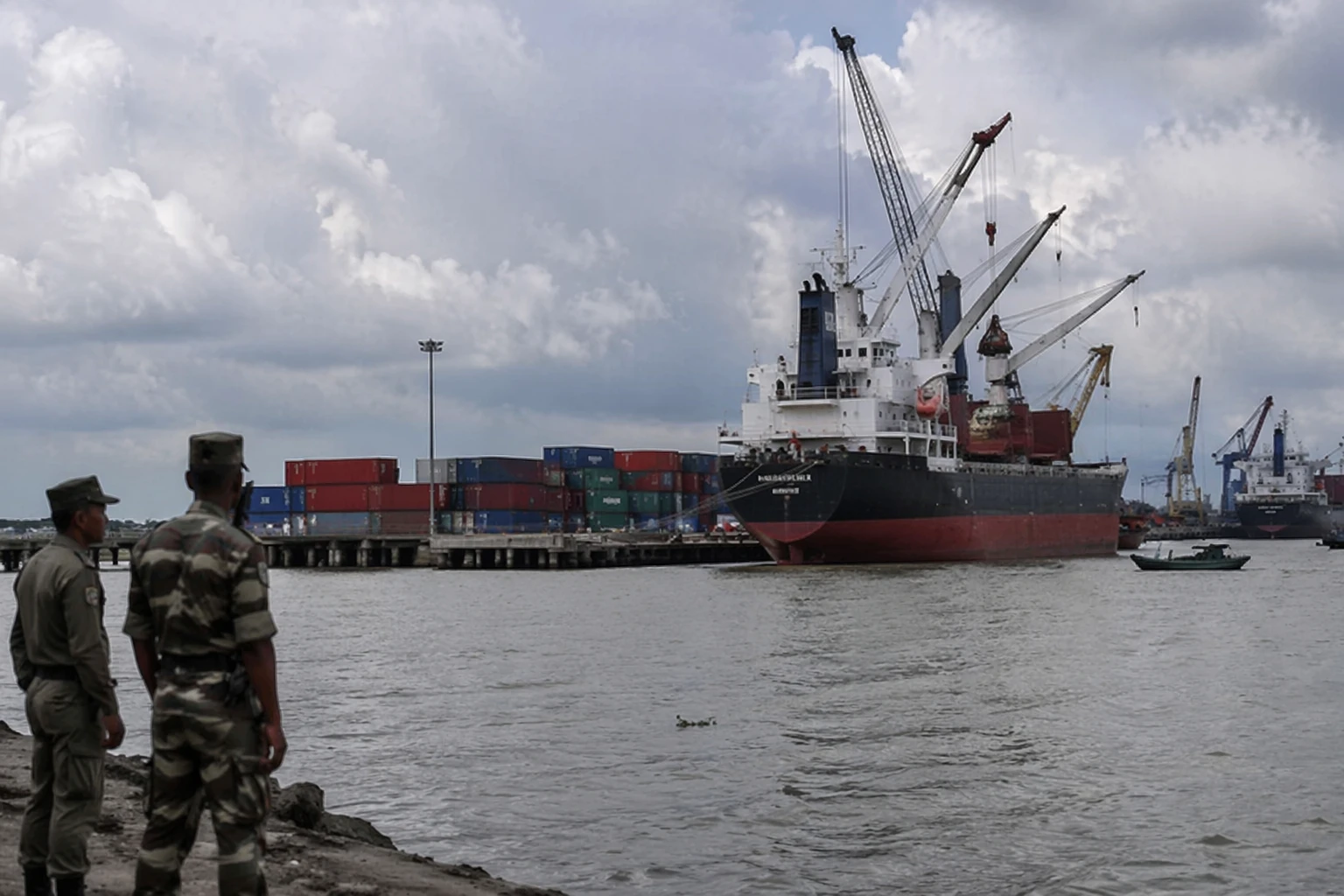
China has been the clearest beneficiary of that diversification. During Yunus’s March 2025 visit to Beijing, Bangladesh secured $2.1 billion in loans, investments and grants from Chinese state and corporate interests. The package included $400 million for modernization of Mongla Port and $350 million for a Chinese industrial economic zone, along with a larger $1 billion commitment tied to the planned Chinese Industrial Economic Zone. Bangladesh later signed additional China-related arrangements covering the Mongla port area, reinforcing the economic side of the relationship even as it unsettled some observers in India.
For Dhaka, the strategy is less a pivot than a hedge. Bangladesh needs Chinese capital, technology and infrastructure finance at a time when large projects remain central to its growth plans, but it also needs India for geography, trade flows and security cooperation. The two countries share a long border, and the latest agreement on patrols and intelligence reflects how practical security concerns can keep the relationship moving even when politics is difficult.
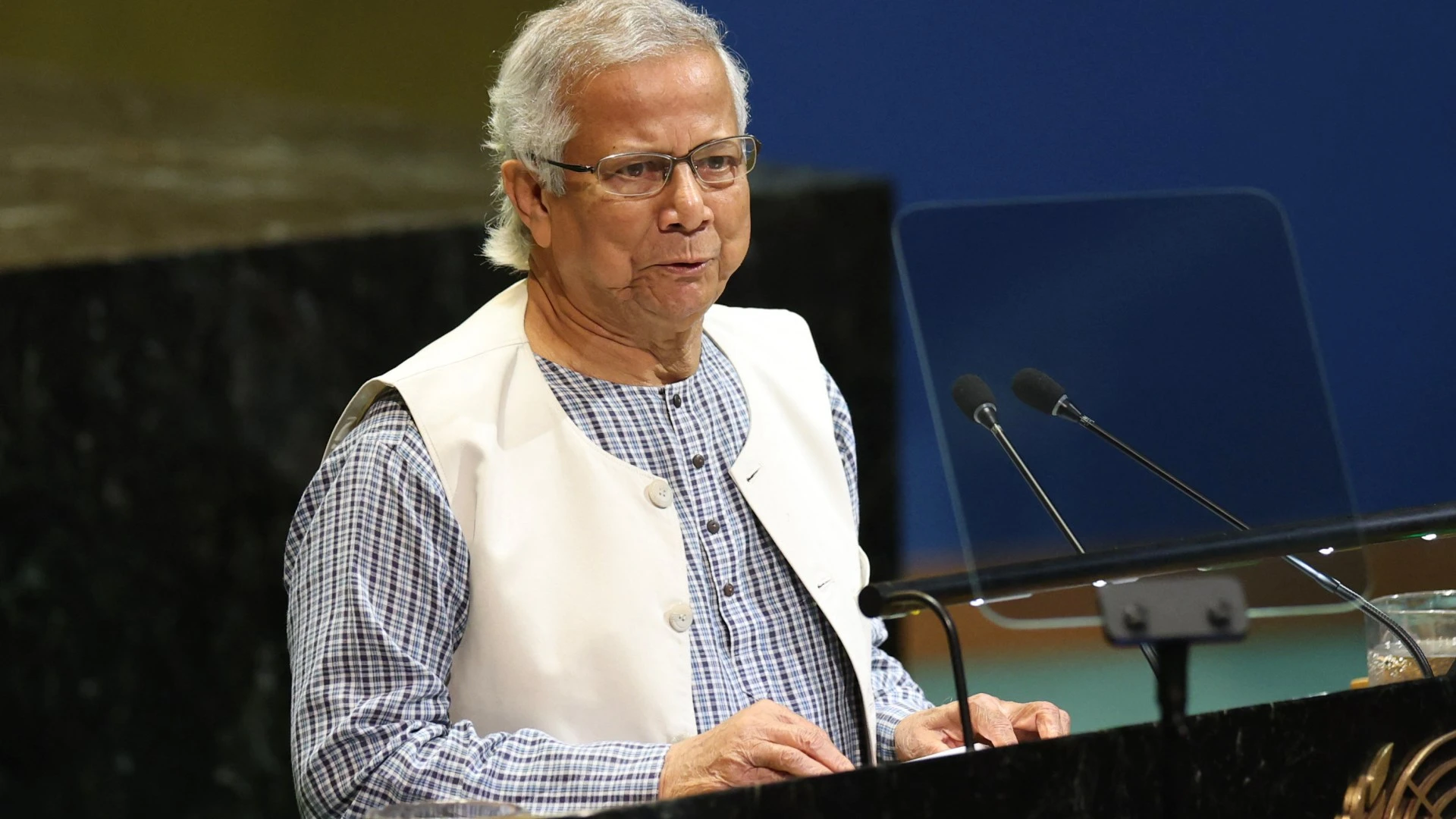
That balance has shaped Bangladesh’s current foreign policy under Yunus: better ties with India where possible, sustained courtship of China where financing is available, and an effort to preserve room to maneuver in a region where infrastructure, border security and political legitimacy all now carry higher stakes.
Sources
- [1]bbc.co.uk
- [2]thediplomat.com
- [3]tbsnews.net
- [4]straitstimes.com
- [5]thedailystar.net
- [6]dhakatribune.com
- [7]usnews.com